
Introduction: Dark Web Anonymous Browsing
Privacy on the internet has become an increasingly important topic as surveillance technologies, tracking mechanisms, and data collection practices continue to expand. Within this context, dark web anonymous browsing attracts attention from researchers, journalists, privacy advocates, cybersecurity professionals, and curious internet users alike. While many associate anonymous browsing exclusively with illegal activities, the reality is far more nuanced.
Anonymous browsing can support legitimate privacy needs, but it also introduces security considerations that users and researchers should understand before interacting with unfamiliar hidden online environments. For broader guidance on reducing exposure to online threats, please explore safe darkweb browsing tips.
Anonymous networks provide privacy protections that support legitimate use cases, including investigative journalism, whistleblower protection, academic research, and censorship circumvention. However, these same technologies also create environments where scams, fraud, and criminal marketplaces can emerge. Therefore, understanding how anonymous browsing works requires both technical knowledge and practical risk awareness.
For more insight, please explore dark web safety overview.
Understanding the distinction between anonymity, privacy, and security remains essential before exploring hidden services, onion routing, encrypted communications, and operational security practices. This guide examines the technologies, risks, and best practices associated with anonymous browsing on the dark web from a research-focused perspective.
Understanding Anonymous Browsing Technologies
Anonymous browsing relies on several technologies designed to conceal a user’s identity, location, and browsing activity. Unlike conventional internet browsing, anonymous networks route traffic through multiple encrypted layers before reaching the destination server. Understanding these technologies requires attention to both privacy protections and the security risks that can arise when users interact with unfamiliar hidden online environments.
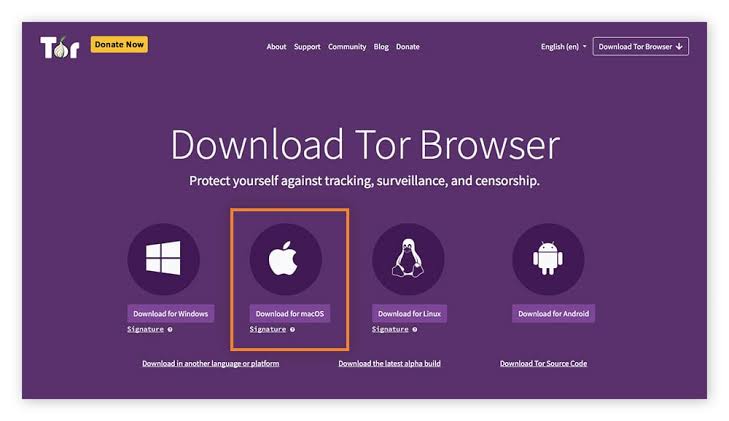
The most recognized technology supporting anonymous access is the Tor network. Tor, short for “The Onion Router,” routes internet traffic through volunteer-operated relays distributed worldwide. Each relay decrypts only a single layer of information, preventing any single node from identifying both the user and the destination simultaneously.
This layered approach creates significant privacy advantages. However, anonymity depends on more than simply installing a browser. User behavior, device configuration, browser fingerprinting, and operational mistakes can all compromise privacy.
Anonymous browsing environments typically include:
- Onion routing networks
- Encrypted DNS resolution
- Hidden service protocols
- Privacy-focused operating systems
- Compartmentalized browsing sessions
- Metadata reduction techniques
Researchers often distinguish anonymity from confidentiality. Encryption protects communication content, while anonymity protects user identity. Effective privacy requires both elements working together.
Additionally, search indexing presents unique challenges within anonymous ecosystems because traditional search engine infrastructure cannot easily crawl hidden services. Hidden services may change addresses, disappear, or restrict indexing, which makes discovery more difficult than on the conventional web.
The Role of Tor in Dark Web Anonymous Browsing
When discussing dark web anonymous browsing, Tor remains the dominant access method. Developed originally through research funded by the U.S. Naval Research Laboratory, the Tor Project evolved into one of the world’s most widely used anonymity networks.
Tor functions through three primary relay types:
Entry Nodes
Entry guards establish the first encrypted connection between the user and the Tor network. Selecting stable entry nodes reduces exposure to malicious relay operators.
Middle Relays
Middle relays transfer encrypted traffic between network points. These nodes help obscure the relationship between the source and destination.
Exit Nodes
Exit nodes represent the final public connection point before traffic reaches the destination internet resource. Although exit nodes create privacy concerns for standard websites, onion services avoid this issue because traffic remains inside the Tor ecosystem.
Several factors influence anonymity effectiveness:
- Browser fingerprint resistance
- JavaScript execution policies
- Cookie management
- Device compartmentalization
- Operating system security
- User operational security habits
Importantly, anonymity tools do not guarantee anonymity by default. User behavior frequently represents the greatest privacy vulnerability. Researchers examining hidden online environments must therefore combine privacy technologies with careful operational security practices and a cautious approach to unfamiliar services.
Similarly, researchers examining hidden services often rely on specialized search platforms designed specifically for onion domains.
The technical foundations of anonymous browsing originate primarily from the Tor ecosystem. The Tor Project continues developing privacy technologies, onion services, and anti-censorship tools used worldwide by researchers, journalists, and privacy advocates.
For more insight, please explore The Tor Project documentation.
Why People Use Anonymous Browsing Networks
Public discussion frequently portrays anonymous browsing solely through the lens of cybercrime. However, research consistently demonstrates a broader range of motivations behind anonymous network usage.
Common legitimate applications include:
Journalism and Source Protection
Investigative journalists use anonymity tools to communicate with confidential sources safely. Protected communication channels reduce the risk of retaliation or surveillance.
Academic Research
Researchers studying cybercrime, online communities, censorship, and digital privacy frequently conduct investigations through anonymous networks.
Circumventing Censorship
Citizens living under restrictive governments often depend on anonymous browsing technologies to access blocked information sources.
Privacy Preservation
Many users simply prefer minimizing surveillance capitalism, behavioral profiling, and online tracking.
At the same time, anonymous ecosystems can also be used to support fraud, malware distribution, phishing operations, and other forms of online deception. This dual-use nature complicates regulatory and ethical discussions surrounding privacy technologies. For a broader examination of deceptive messages, fake services, and social engineering tactics in hidden online environments, please explore phishing on the darknet.
Common Threats During Anonymous Browsing
Despite the privacy advantages offered by anonymous networks, significant security risks remain. Many users incorrectly assume that anonymity automatically guarantees safety.
Several threats routinely affect anonymous browsing environments:
Malicious Onion Services
Attackers frequently clone legitimate onion websites to steal credentials, cryptocurrency funds, or personal information.
Browser Exploitation
Security vulnerabilities can expose real IP addresses or compromise devices directly. Traffic correlation attacks, operational security failures, scam infrastructure, and malicious services can also create broader risks involving malware, credential theft, fraud, and compromised information. For a wider examination of these interconnected threats, please explore cybersecurity risks associated with dark web activity.
Traffic Correlation Attacks
Sophisticated adversaries may attempt to analyze traffic patterns entering and leaving anonymity networks.
Operational Security Failures
Users often reveal identifying information through account reuse, browsing habits, language patterns, or metadata leakage.
Scam Infrastructure
Fraudulent marketplaces, phishing pages, fake escrow systems, and impersonation attacks remain widespread. These forms of deception often rely on copied branding, misleading communications, and false trust signals designed to influence user decisions. For a broader examination of these techniques, please explore avoiding darkweb scams.
Operational Security, Search Tools, and Future Trends
Operational Security Principles for Anonymous Browsing
Technology alone cannot guarantee anonymity. In practice, operational security (often abbreviated as OPSEC) determines whether anonymous browsing remains effective over time. Even sophisticated privacy tools become ineffective when users develop unsafe habits or overlook basic security practices.
Several operational security principles consistently appear in cybersecurity research:
Separate Identities Completely
Users should avoid mixing personal accounts with anonymous activities. Logging into personal email, social media platforms, or financial services can compromise anonymity immediately. Maintaining strict separation between identities reduces correlation risks.
Minimize Digital Fingerprints
Modern websites collect extensive browser fingerprint data, including:
- Screen resolution
- Installed fonts
- Browser extensions
- System language settings
- Device hardware characteristics
- Behavioral patterns
Reducing customization helps preserve anonymity because unique configurations increase fingerprintability.
Avoid Downloading Untrusted Files
Documents, executables, and compressed archives may contain malicious code or tracking mechanisms. Furthermore, opening downloaded files outside protected environments can reveal identifying information.
Use Verified Resources
Many scams exploit user trust through cloned onion services, fake directories, misleading communications, and impersonated services. Verification processes therefore remain essential when accessing unfamiliar hidden services. For broader guidance on checking unfamiliar hidden-service addresses, please explore dark web link verification.
Effective operational security depends on consistency. A single mistake can undermine years of careful privacy practices. For more practical guidance on reducing unnecessary exposure while navigating unfamiliar hidden online environments, please explore safe darkweb browsing tips.
Anonymous Search Engines and Hidden Service Discovery
Discovering resources within anonymous networks presents unique challenges. Unlike the conventional web, hidden services cannot be indexed comprehensively because websites frequently change addresses, disappear, or intentionally restrict indexing.
Search engines operating within anonymity networks generally rely on:
Voluntary Submission
Website operators often submit their own hidden services for indexing. This approach improves accuracy but limits coverage.
Selective Crawling
Some indexing platforms crawl onion services directly. However, network instability and access restrictions create substantial obstacles.
Community Verification
User communities frequently contribute verification data, reliability ratings, and scam warnings.
Several specialized search platforms have emerged to address these challenges. Their effectiveness varies significantly depending on indexing methodology, update frequency, and verification procedures. Privacy researchers frequently compare different indexing methods to understand information accessibility within hidden networks.
Because anonymous networks remain decentralized, no search engine can provide complete coverage. Consequently, researchers often rely on multiple discovery methods simultaneously.
Misconceptions About Dark Web Anonymous Browsing
Public understanding of anonymous browsing technologies often suffers from oversimplification. Movies, media reporting, and popular culture have contributed to several persistent misconceptions.
Myth 1: Anonymous Means Untraceable
No technology guarantees perfect anonymity. Instead, privacy tools reduce the probability of identification by increasing the complexity of attribution. Sophisticated investigations may still identify users through operational mistakes, infrastructure weaknesses, or behavioral analysis.
Myth 2: The Dark Web Is Entirely Illegal
Although criminal activity exists, anonymous networks also support legitimate activities such as:
- Investigative journalism
- Human rights advocacy
- Academic research
- Political dissidence
- Privacy preservation
- Secure communication
The technology itself remains neutral.
Myth 3: Tor Automatically Provides Security
Tor primarily provides anonymity, not comprehensive cybersecurity protection. Malware infections, phishing attacks, and social engineering threats remain significant concerns. For practical guidance on recognizing deceptive behavior and reducing exposure to fraudulent services, please explore avoiding darkweb scams.
Myth 4: Anonymous Networks Cannot Be Monitored
Researchers, governments, and cybersecurity organizations regularly conduct investigations involving hidden services. Various monitoring techniques, intelligence gathering methods, and network analysis tools exist. For more context on how researchers analyze changing infrastructure and online activity patterns, please explore dark web tracking methods.
Separating myths from technical realities helps users develop more realistic expectations regarding privacy technologies.
The Future of Dark Web Anonymous Browsing
The future of anonymous browsing technologies will likely evolve alongside broader cybersecurity and privacy trends. Both defenders and adversaries continue adapting to emerging technologies and surveillance techniques.
Several developments may shape the next generation of anonymous networks:
Improved Anti-Fingerprinting Technologies
Browser fingerprinting remains one of the largest threats to anonymity. Future privacy tools will likely incorporate stronger fingerprint resistance mechanisms.
Decentralized Infrastructure
Peer-to-peer anonymity systems continue attracting research interest because decentralized architectures reduce reliance on centralized infrastructure components.
Artificial Intelligence Detection Systems
Machine learning increasingly assists both defenders and investigators. Pattern recognition technologies may improve the identification of fraudulent services, malicious actors, and coordinated criminal operations.
Enhanced Encryption Standards
Cryptographic advances continue strengthening privacy protections. Quantum-resistant encryption research may eventually influence anonymous communication systems.
Community Trust Models
Trust and reputation systems remain critical challenges within anonymous ecosystems. Future platforms may develop more sophisticated verification mechanisms as privacy technologies, security practices, and methods for identifying deceptive services continue evolving.
The ongoing tension between privacy rights, cybersecurity concerns, technological innovation, and regulatory oversight will likely define the next chapter of anonymous internet infrastructure.
FAQ: Dark Web Anonymous Browsing
Is dark web anonymous browsing completely anonymous?
No, complete anonymity is extremely difficult to achieve in practice. While anonymity networks significantly improve privacy protections, user behavior often creates vulnerabilities that technology cannot eliminate. Browser fingerprinting, account reuse, malware infections, and operational mistakes can all compromise anonymity. Therefore, researchers and privacy professionals generally describe anonymity as a spectrum rather than an absolute state.
Why do researchers study anonymous browsing networks?
Researchers investigate anonymous networks for several reasons, including cybersecurity analysis, privacy research, digital sociology, and criminal intelligence studies. Academic institutions also examine how anonymity technologies influence online behavior, censorship resistance, and information sharing. Furthermore, understanding anonymous ecosystems helps cybersecurity professionals identify emerging threats and defensive strategies. Consequently, anonymous browsing research has become an important multidisciplinary field.
Are all onion websites dangerous?
No, not all onion services present security risks or support illegal activities. Many legitimate organizations maintain onion services to protect user privacy and improve accessibility in censored regions. However, malicious websites, phishing operations, and scam services remain common. Therefore, users should verify onion links carefully and avoid assuming legitimacy based solely on domain format.
How do anonymous search engines find hidden services?
Anonymous search engines typically use a combination of voluntary submissions, automated crawling, and community verification systems. Unlike traditional search engines, they face challenges related to network instability, changing addresses, and access restrictions. As a result, no search engine provides complete coverage of hidden services. Researchers often consult multiple indexing platforms to improve discovery accuracy.
Will anonymous browsing technologies become more secure in the future?
Privacy technologies will likely continue evolving alongside advances in cybersecurity and surveillance capabilities. Developers are actively researching stronger anti-fingerprinting protections, decentralized anonymity systems, and improved cryptographic standards. Nevertheless, adversaries also continue improving tracking and analysis techniques. Consequently, anonymous browsing will remain an ongoing technological and operational challenge rather than a permanently solved problem.
Conclusion: Dark Web Anonymous Browsing
The study of dark web anonymous browsing extends far beyond popular stereotypes and sensationalized narratives. Anonymous networks represent complex ecosystems that support privacy protection, secure communication, academic research, and censorship resistance while simultaneously creating opportunities for fraud and criminal activity.
Understanding anonymous browsing requires examining multiple factors, including network architecture, encryption technologies, operational security practices, search mechanisms, and human behavior. Although anonymity technologies have improved substantially over the past two decades, no solution provides perfect protection against all threats.
As digital surveillance expands globally, discussions surrounding privacy, anonymity, and cybersecurity will continue gaining importance. Therefore, individuals seeking to understand anonymous networks should prioritize education, verification practices, and evidence-based research rather than assumptions or myths. Understanding the risks associated with deceptive services and unsafe online behavior also remains essential, particularly when navigating environments where anonymity can make trust more difficult to evaluate.