
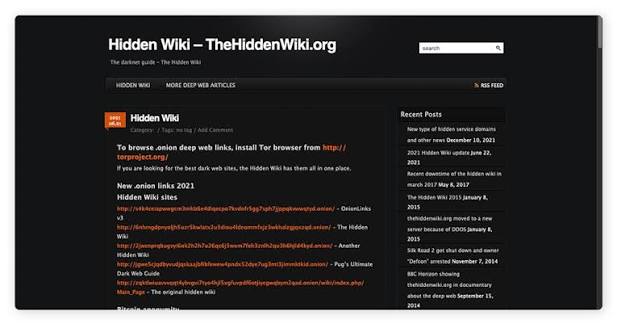
Introduction
Dark web research requires patience, verification, and careful attention to detail. However, even experienced investigators occasionally encounter fake onion links that appear legitimate at first glance. These deceptive addresses often imitate authentic hidden services, making them difficult to identify without proper verification methods.
Unlike traditional websites, onion services rely on long cryptographic addresses that can be challenging to remember and validate manually. As a result, cybercriminals exploit this complexity to create convincing clones, phishing portals, and fraudulent mirror sites. Researchers, journalists, cybersecurity analysts, and curious users may all encounter these traps while searching for information.
The challenge grows because hidden services frequently change addresses, migrate infrastructure, or experience temporary downtime. Consequently, attackers use confusion to redirect traffic toward malicious destinations. Understanding how these scams operate helps users avoid misinformation, credential theft, malware infections, and financial fraud.
For more insight, please explore onion link verification overview
This guide examines how deceptive onion addresses work, why researchers become targets, and which verification practices help separate legitimate resources from dangerous imitations.
Why Fake Onion Links Exist Across Hidden Networks
The hidden web contains thousands of active and inactive services. Since many websites operate anonymously, users often depend on search engines, directories, community forums, and recommendation lists to locate resources. Unfortunately, attackers recognize this reliance and actively exploit it.
Many fraudulent operators create lookalike websites designed to capture traffic intended for legitimate destinations. In some cases, only a few characters differ between a trusted onion address and a malicious copy. Because onion domains contain lengthy random strings, these substitutions often go unnoticed.
Financial incentives drive many scams. Fraudsters may seek cryptocurrency payments, login credentials, research data, or personal information. Others distribute malware disguised as useful tools or downloadable resources. These tactics also demonstrate why darkweb vendor trust can be difficult to assess when researchers encounter anonymous operators, copied identities, or manipulated credibility signals.
Additionally, misinformation campaigns sometimes leverage fake websites to spread inaccurate content. Researchers who fail to verify sources may unknowingly cite manipulated information or draw conclusions from fabricated materials.
Because hidden services lack the visibility of traditional websites, independent verification becomes far more important than on the surface web.
How Fake Onion Links Trick Researchers
Researchers often approach hidden services with specific objectives. They may investigate cybercrime trends, analyze underground communities, monitor security threats, or study privacy technologies. Attackers understand these goals and tailor their scams accordingly. Because researchers may evaluate unfamiliar services partly through reputation signals, understanding darknet market reputation systems can also help explain why manipulated feedback or fabricated credibility may make deceptive services appear more legitimate than they are.
One common technique involves creating cloned websites. These copies mimic the appearance, branding, navigation structure, and content of legitimate services. As a result, visitors may not realize they entered a fraudulent environment.
Another strategy relies on search manipulation. Fraudulent operators submit deceptive listings to directories and search tools. Consequently, users searching for marketplaces, forums, archives, or research resources may encounter counterfeit results.
Social engineering also plays a major role. Attackers frequently share fake addresses through discussion boards, messaging channels, and social media platforms. Since recommendations appear to come from real users, victims often trust them without additional verification. This problem can look different depending on the platform structure, which is why comparing darkweb vendor shops vs markets can help researchers understand how identity, reputation, and verification signals operate across different anonymous commerce models.
Furthermore, urgency tactics increase success rates. Scam operators often claim that users must act immediately because a website is moving, closing, or offering limited access. These pressure tactics reduce careful decision-making and encourage risky behavior.
Warning Signs That Reveal Fraudulent Hidden Services
Although sophisticated scams continue evolving, many fake websites display recognizable warning signs. Learning these indicators helps researchers identify threats before significant damage occurs.
Address inconsistencies represent the most obvious clue. Even a single character difference creates an entirely different onion destination. Therefore, comparing addresses carefully remains essential. This becomes particularly important when researchers encounter darknet marketplaces, where copied listings, counterfeit service pages, and misleading references can make an apparently familiar destination difficult to authenticate.
Poor website quality also deserves attention. Broken links, missing images, outdated content, and unusual formatting often indicate low-effort scam operations. While legitimate hidden services sometimes appear simple, multiple quality issues should trigger caution.
Unexpected authentication requests provide another warning signal. If a website immediately demands credentials without context, researchers should verify its legitimacy before proceeding.
Suspicious cryptocurrency payment instructions frequently accompany fraudulent services. Attackers often encourage quick transfers while discouraging independent verification.
Likewise, researchers should remain skeptical of websites that make extraordinary claims without supporting evidence. Legitimate sources generally provide context, documentation, or community reputation that supports their credibility.
Verification Methods That Improve Research Accuracy
Verification serves as the strongest defense against deception. Fortunately, several practical techniques help researchers confirm the authenticity of onion services before relying on them.
First, compare information across multiple independent sources. If several respected directories and communities reference the same address consistently, confidence increases significantly.
Second, review historical references whenever possible. Long-standing services often maintain traces across archived discussions, research papers, and community recommendations. These references help establish credibility over time. This method also connects fake-link research with the history of darknet markets, where historical records can help researchers distinguish established identities from newer copies or misleading claims.
Third, examine official communications. Many legitimate services publish address updates through verified channels. Cross-checking these announcements reduces the likelihood of visiting a fraudulent mirror. For a broader methodology, see dark web link verification practices that combine source comparison, historical references, and consistency checks.
Researchers should also document verification steps during investigations. Maintaining records improves transparency and allows others to reproduce findings independently.
Finally, skepticism remains essential. Even trusted sources occasionally publish outdated or incorrect information. Verification should therefore remain an ongoing process rather than a one-time task.
The Risks of Trusting Unverified Onion Addresses
The consequences of trusting deceptive links extend beyond simple inconvenience. Researchers may encounter several serious security and privacy risks.
Credential theft remains one of the most common outcomes. Fraudulent websites often collect usernames, passwords, and authentication information. Attackers then use these credentials for additional compromise attempts.
Cryptocurrency fraud represents another significant threat. Many scams rely on irreversible transactions, making financial recovery difficult after funds leave a wallet.
Malware infections create further complications. Downloadable files presented as research tools, archives, or security software may contain spyware, remote access trojans, or credential stealers.
Researchers can also face reputational risks. Referencing fraudulent sources may undermine the credibility of reports, investigations, or published findings. Consequently, inaccurate information can spread beyond the original audience.
Because hidden services frequently evolve, maintaining strong verification standards protects both security and research i
Building a Reliable Research Workflow
Successful dark web research depends on consistent methodology. Verification should occur before, during, and after information collection.
Researchers benefit from maintaining trusted resource lists rather than relying solely on fresh searches. Bookmarking verified addresses reduces exposure to manipulated directory entries and phishing campaigns.
Cross-referencing findings also improves accuracy. When multiple independent sources support the same conclusion, confidence naturally increases. Conversely, conflicting information deserves additional scrutiny. Researchers should also account for the darknet market lifecycle, since services can emerge, change identities, migrate infrastructure, or disappear, all of which can affect the reliability of historical references.
Documentation remains equally important. Recording verification methods helps establish transparency and enables future review. This approach proves valuable for academic studies, cybersecurity investigations, and journalistic reporting. The same discipline is especially useful when researching darkweb vendor shops, where copied storefront identities, changing addresses, and misleading claims can make historical documentation an important part of authenticity research.
For more insight, please explore digital privacy and security guidance.
Additionally, researchers should stay informed about evolving threats. Scam techniques continue changing, and awareness helps reduce the likelihood of successful deception.
For more insight, please explore Tor Browser security recommendations.
Ultimately, strong research habits provide lasting protection against both technical and social engineering attacks.
FAQ
What are fake onion links?
Fake onion links are fraudulent hidden service addresses designed to imitate legitimate websites. Attackers create them to steal credentials, collect payments, distribute malware, or spread misinformation. Many copies closely resemble authentic services, making verification essential. Researchers should always confirm addresses before relying on them.
Why are researchers targeted by fake onion websites?
Researchers often seek valuable information and frequently access unfamiliar resources. Attackers recognize this behavior and create deceptive websites that appear relevant to ongoing investigations. In some cases, fraudsters target researchers specifically to manipulate findings or harvest sensitive information. Consequently, verification becomes a critical part of responsible research.
How can I identify a suspicious onion address?
Carefully compare the address with trusted references from multiple sources. Look for unusual character substitutions, unexpected redirects, and inconsistencies in website presentation. Researchers should also examine whether reputable communities recognize the service. If uncertainty remains, additional verification is necessary.
Can search engines index fraudulent hidden services?
Yes. Some search tools and directories may temporarily include fraudulent listings. Although reputable services attempt to reduce abuse, attackers continuously submit misleading entries. Therefore, users should treat search results as starting points rather than definitive proof of authenticity.
What is the best defense against fake onion links?
Independent verification remains the most effective defense. Cross-check addresses, review historical references, and consult trusted communities whenever possible. Additionally, maintaining documented verification procedures improves research quality and reduces risk exposure. Consistent habits provide stronger protection than any single security tool.
Conclusion
Hidden services present unique research opportunities, yet they also create verification challenges that do not exist on the surface web. Because fake onion links frequently imitate legitimate resources, researchers must approach every new address with caution and skepticism.
Successful investigation depends on comparing sources, reviewing historical references, validating official announcements, and documenting findings carefully. These practices reduce exposure to phishing attacks, malware, misinformation, and financial scams. As hidden networks continue evolving, understanding how fake onion links operate remains an essential skill for anyone conducting responsible dark web research.