
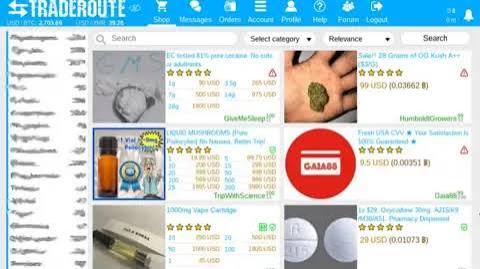
Introduction To Darkweb Vendor Shop
The dark web contains a wide range of websites, services, forums, and marketplaces. Among them, independent vendor-operated stores have become a recurring topic of interest for researchers, cybersecurity professionals, and journalists. Understanding darkweb vendor shop risks is important because these sites often present unique trust and security challenges compared to larger darknet platforms. For broader context, researchers can examine darknet marketplaces and how centralized platforms differ from independent vendor shops.
Over time, many independent shops have appeared after marketplace closures, law enforcement actions, or major ecosystem disruptions. This pattern reflects the wider darknet market lifecycle, where marketplace closures, migrations, and new platform formations can reshape the surrounding vendor ecosystem. While some independent shops claim to offer direct access to products or services, others exist solely to deceive visitors through impersonation schemes, phishing operations, or fraudulent storefronts. Therefore, researchers examining these environments must approach them carefully.
For more insight, please explore the vendor verification resources covering credibility, authenticity, and trust signals within independent shop environments.
A deeper understanding of verification methods, scam indicators, and operational security concerns can help researchers avoid common mistakes when analyzing darknet activity. In particular, dark-web link verification provides an important layer of analysis when researchers encounter unfamiliar onion services or claims of vendor authenticity.
Why Independent Vendor Shops Exist
Independent vendor stores emerged for several reasons. First, many operators sought greater control over their online presence. Instead of relying on marketplace rules, they created standalone websites designed around their own branding and reputation. This creates an important distinction between vendor shops and darknet marketplaces, because independent stores operate outside the shared infrastructure of a larger marketplace.
However, this approach introduced significant trust issues. Large marketplaces often provide feedback systems, dispute resolution processes, and escrow mechanisms. Independent shops frequently lack these safeguards. As a result, researchers must evaluate credibility without the benefit of centralized community oversight. Understanding darkweb vendor trust provides additional context for assessing these differences.
Another factor involves marketplace instability. Major darknet platforms regularly experience seizures, shutdowns, technical failures, and exit scams. Consequently, some vendors attempt to reduce dependence on centralized systems by operating standalone stores.
Researchers studying these developments often compare standalone shops with broader marketplace ecosystems. To understand the larger landscape, they can explore darknet marketplaces and the history of darknet markets. These broader topics provide useful context for understanding why independent vendor shops emerged and how they differ from centralized platforms.
Although independent stores may appear professional, appearances alone rarely indicate legitimacy. Domain age, communication practices, reputation history, and verification methods often provide more useful signals. Researchers can also examine darknet market reputation systems to better understand how reputation signals function within broader marketplace environments.
Because the darknet changes rapidly, many shops disappear within months. This volatility makes long-term trust assessment especially difficult. Researchers can use the darknet market lifecycle as a broader framework for understanding how platforms emerge, change, decline, and disappear.
Common Darkweb Vendor Shop Risks
Understanding darkweb vendor shop risks requires recognizing how fraudulent operators exploit trust. One common tactic involves impersonation. Criminals frequently clone known vendor brands and create nearly identical websites.
These fake stores often copy logos, descriptions, and layouts from legitimate sources. In many cases, only the onion address differs. Unsuspecting visitors may assume they have reached the correct destination.
Another major risk involves advance-payment fraud. A site may request cryptocurrency transactions without offering any meaningful verification process. Once payment occurs, communication often stops.
Additionally, some operators manufacture reputation. They publish fabricated testimonials, false reviews, and invented transaction histories to create a sense of legitimacy. Without independent verification, these claims provide little value.
Researchers also encounter phishing infrastructure disguised as vendor stores. Such sites attempt to collect login credentials, wallet information, or communication details.
Because deceptive tactics continue evolving, analysts must rely on multiple validation techniques rather than a single trust signal.
Verification Challenges and Trust Signals
One reason darkweb vendor shop risks remain difficult to assess involves the absence of universal verification standards. Unlike conventional websites, onion services operate within a more fragmented environment.
Researchers often examine several indicators before assigning credibility. Consistent branding across multiple platforms can provide useful context. Likewise, long-term community references may help establish historical presence. For a deeper dive, researchers can examine darknet market reputation systems and how reputation contributes to trust assessment.
Nevertheless, trust signals can be manipulated. Fraudulent operators frequently purchase advertisements, create fake discussion accounts, and manufacture positive feedback.
Verified onion addresses remain one of the more important factors. When a service consistently publishes the same cryptographically verifiable address through multiple trusted channels, confidence may increase. Researchers should therefore understand established dark web link verification practices before treating an onion address as authentic.
Researchers also evaluate communication behavior. Sudden address changes, disappearing contact methods, and contradictory announcements often indicate elevated risk.
Meanwhile, technical consistency matters. Stable uptime patterns, transparent updates, and clear operational practices generally inspire more confidence than vague promises and aggressive marketing language.
Research Safety and Operational Security Considerations
Anyone studying darknet environments should prioritize safety before collecting data. Even passive observation can expose researchers to malicious content, deceptive links, and privacy risks.
Strong operational security begins with environment separation. Research activities should remain isolated from personal accounts and everyday browsing habits. This reduces exposure if a site attempts to collect identifying information.
Researchers should also treat every unknown onion address cautiously. Many malicious sites imitate legitimate resources through subtle spelling variations or lookalike domains. Consequently, verification becomes an essential first step. Researchers can also review fake onion links and how they trick researchers to better understand common impersonation and deception patterns.
Another important consideration involves data integrity. Screenshots, archived references, and timestamped notes help maintain accurate records. These practices become valuable when tracking changes over time.
Furthermore, researchers should remain aware of malware risks. Download prompts, executable files, and unsolicited documents deserve careful scrutiny. Even apparently harmless content may contain hidden threats.
For more insight, please explore the Tor Project security documentation.
Strong research methodology improves both safety and analytical accuracy.
The Future of Vendor Shops and Verification
The future of independent vendor stores will likely depend on trust and verification mechanisms. As scams become more sophisticated, users increasingly demand stronger proof of authenticity. Researchers can compare vendor shops versus darknet marketplaces to better understand the structural and trust differences between independent stores and centralized platforms.
One emerging trend involves broader use of cryptographic verification methods. Consistent identity management across platforms may help establish credibility. However, no system eliminates risk entirely.
Meanwhile, communities continue developing better approaches for documenting scams, identifying impersonators, and tracking suspicious activity. These collective efforts make fraud more difficult, although not impossible.
The discussion around darkweb vendor shop risks also reflects a broader challenge across the darknet ecosystem. Trust remains scarce, identities remain fluid, and reputation can change rapidly.
As technology evolves, verification practices will likely become more important than appearance, advertising, or popularity claims. Researchers who prioritize evidence-based assessment will remain better positioned to distinguish genuine services from deceptive operations.
FAQ: Darkweb Vendor Shop
What is an independent darknet vendor shop?
An independent vendor shop is a standalone onion service operated outside a traditional marketplace structure. These stores typically manage their own branding, communications, and transactions. Because they operate independently, they often lack marketplace protections such as escrow systems or dispute resolution. Researchers study them to understand broader darknet trends and trust mechanisms.
Why are vendor-operated stores considered risky?
Several factors contribute to elevated risk. Many stores have limited accountability, while others disappear without warning. Additionally, impersonation and phishing operations frequently target visitors. Without reliable verification, it becomes difficult to determine whether a site represents its claimed operator.
How do fake vendor shops trick visitors?
Fraudulent stores commonly copy designs, logos, and content from established brands. They may also create fake reviews or false reputation histories. In some cases, scammers promote cloned onion addresses through forums and advertisements. These tactics make counterfeit services appear authentic at first glance.
What role does verification play in research?
Verification helps researchers confirm that an onion service matches its claimed identity. Consistent addresses, cryptographic proofs, and trusted references all contribute to stronger confidence. However, verification should never rely on a single source. Cross-checking multiple indicators provides a more reliable assessment.
Can reputation alone determine legitimacy?
Reputation offers useful context, but it should not be treated as definitive proof. Online feedback can be manipulated through fake accounts and coordinated campaigns. Therefore, researchers combine reputation analysis with technical verification and historical evidence. This broader approach produces more accurate conclusions.
Conclusion: Darkweb Vendor Shop
Understanding darkweb vendor shop risks requires more than reviewing surface-level information. Independent stores operate within an environment where anonymity, volatility, and limited oversight create significant challenges. While some operators attempt to establish trust through verification practices, others exploit confusion through impersonation and deception.
Researchers benefit from a structured approach that prioritizes evidence, validation, and operational security. By examining reputation carefully, verifying onion addresses, and documenting findings systematically, analysts can reduce exposure to common scams. Ultimately, the most reliable assessments come from consistent verification rather than assumptions, making careful research essential when evaluating independent darknet services.