
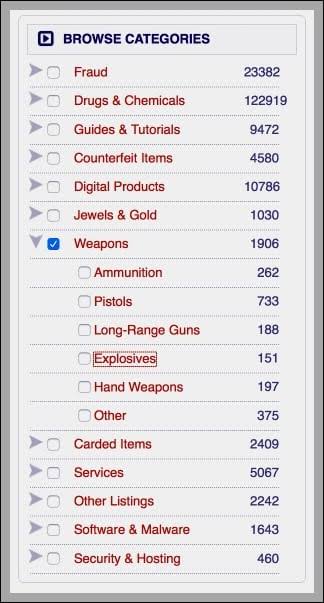
Introduction: Darknet Marketplace Categories
Understanding darknet marketplace categories helps researchers, cybersecurity professionals, and digital investigators better interpret how underground markets organize products and services. Over time, darknet platforms have evolved from simple anonymous trading sites into highly structured ecosystems with dedicated sections, vendor profiles, reputation systems, and dispute mechanisms. To dig deeper, please review how darknet vendor shops and markets are structured, how dark web marketplace listings are organized, and drug vendor categories on darknet marketplaces.
Marketplace operators often categorize listings to improve navigation and help buyers locate specific products. Consequently, category structures can reveal broader trends in underground commerce, emerging criminal activities, and shifts in user demand. Researchers frequently examine these classifications to identify changes in illicit trade patterns and understand how marketplaces adapt to law enforcement pressure.
For more insight, please explore darknet markets overview.
Because category structures vary between platforms, studying them provides valuable context for understanding marketplace operations. Furthermore, examining how categories evolve over time offers insight into the broader development of anonymous online economies and hidden service ecosystems.
Why Marketplace Categories Matter
Marketplace categories serve a practical purpose within darknet ecosystems. Similar to conventional e-commerce platforms, they help organize large volumes of listings into manageable sections. Without clear categorization, users would struggle to locate products, compare vendors, or navigate extensive inventories.
Researchers often analyze category growth to identify emerging criminal trends. For example, an increase in fraud-related listings may indicate changing demand patterns, while growth in cybersecurity-related services may reflect broader developments in underground cybercrime. Therefore, category analysis often provides an early indicator of shifts within hidden marketplaces.
Additionally, category structures help investigators map relationships between vendors, products, and market segments. Some platforms maintain broad categories, while others use detailed subcategories that reveal highly specialized niches. These distinctions can provide valuable intelligence regarding market maturity and operational sophistication.
Marketplace categories also influence vendor competition. Sellers often position listings within specific sections to increase visibility and attract targeted buyers. As a result, category placement becomes an important component of marketplace strategy.
Common Product Categories Found on Darknet Markets
Although individual platforms differ, several recurring categories appear across many underground marketplaces. Digital products often represent one of the largest segments. These listings may include compromised accounts, leaked databases, software tools, or unauthorized access credentials. Category structures can also differ between centralized marketplaces and independent vendor shops, particularly when sellers organize their own storefronts rather than operating within a larger marketplace.
Financial-related categories frequently appear as well. These sections may contain fraud services, counterfeit documentation, account-related offerings, and various payment-focused schemes. Because financial crime remains profitable, these categories often maintain substantial activity.
Some marketplaces also contain pharmaceutical and substance-related sections. Researchers tracking underground commerce regularly monitor these areas to understand changes in supply patterns, consumer demand, and market migration following enforcement actions.
Service-based categories have grown significantly in recent years. Rather than selling physical goods, many vendors now offer expertise, technical services, infrastructure rentals, or consulting activities. This shift reflects broader trends toward cybercrime-as-a-service models.
Moreover, some marketplaces feature educational or informational sections where users exchange guides, operational advice, and technical resources. These categories often support broader marketplace participation by helping newcomers understand platform functionality.
Vendor-Centered Categories and Reputation Systems
Many modern marketplaces organize listings around vendor specialization rather than product type alone. This approach allows users to evaluate seller performance, transaction history, and customer feedback before making decisions. Consequently, vendor-focused structures have become a defining feature of many underground trading environments.
Reputation systems typically include ratings, reviews, dispute records, and transaction statistics. These mechanisms attempt to create trust between anonymous participants who would otherwise have little basis for evaluating reliability. While manipulation can occur, reputation systems remain central to marketplace operations.
To understand how these trust signals influence marketplace behavior, please explore how darknet market reputation systems work.
Specialized vendor categories may focus on financial fraud, digital services, cybersecurity tools, physical products, or niche offerings. This specialization often mirrors legitimate online marketplaces, where expertise and customer satisfaction influence visibility.
Furthermore, some platforms implement verification programs that distinguish established sellers from newer participants. These programs can affect category placement, search visibility, and user confidence. As marketplaces mature, vendor trust mechanisms often become more sophisticated and integrated into overall platform design.
To learn more about how vendor specialization and trust operate across these ecosystems, please explore darkweb vendor shops and trust systems.
How Marketplace Categories Evolve Over Time
The structure of darknet marketplaces rarely remains static. Instead, categories change as user demand shifts, technology advances, and law enforcement actions disrupt established platforms. Consequently, researchers often study category evolution to understand broader developments within underground economies rather than focusing on individual marketplaces alone.
When a marketplace launches, administrators typically create broad sections that cover major product groups. As the platform attracts more vendors, these sections often expand into detailed subcategories. This refinement improves navigation while helping vendors reach more targeted audiences. Over time, specialized niches may emerge as separate categories, reflecting increased competition and changing consumer interests.
External events also influence marketplace organization. Large-scale seizures, exit scams, or international investigations frequently force vendors to migrate to new platforms. During these transitions, category structures may be redesigned to accommodate different user communities or emerging forms of cybercrime. Researchers can often identify these migration patterns by comparing category layouts across multiple marketplaces.
o understand the longer-term development behind these changes, please review the history of darknet markets.
Likewise, changing technologies influence marketplace organization. The growing availability of cryptocurrency payment options, encrypted communication tools, and anonymous hosting services has encouraged the development of entirely new service categories. These additions demonstrate how underground platforms continually adapt to both opportunities and enforcement pressure.
Risks Associated with Marketplace Categories
Although category structures improve navigation, they also reveal the diversity of risks present within darknet marketplaces. Many sections contain fraudulent listings, counterfeit products, deceptive advertising, or fake vendor accounts designed to exploit inexperienced users. Consequently, researchers examining marketplace ecosystems frequently encounter evidence of scams alongside legitimate listings.
One common issue involves impersonation. Fraudulent vendors often copy descriptions, images, or branding from established sellers in an attempt to deceive buyers. Because anonymous identities are difficult to verify, reputation systems alone cannot eliminate this problem. As a result, investigators routinely analyze vendor behavior rather than relying solely on marketplace ratings.
Exit scams present another significant concern. In these cases, marketplace operators or prominent vendors abruptly disappear while retaining customer funds. Historical analysis shows that major exit scams often reshape marketplace ecosystems by forcing users to seek alternative platforms and redistributing vendor communities across competing services.
To examine this risk in greater detail, please read about darkweb exit scams and their impact on marketplace ecosystems.
Researchers also monitor category-specific fraud trends. Certain sections consistently experience higher rates of counterfeit listings, fake escrow services, or phishing attempts. Understanding these patterns helps cybersecurity professionals recognize broader criminal tactics without participating in illegal transactions.
Why Researchers Study Darknet Marketplace Categories
Academic researchers, cybersecurity analysts, and law enforcement agencies examine darknet marketplace categories because they provide valuable insight into underground economic activity. Rather than focusing on individual transactions, researchers analyze aggregated trends that reveal how criminal ecosystems evolve over time.
Category analysis supports several research objectives. First, it helps identify emerging cybercrime services before they become widespread. Second, it reveals changes in vendor specialization and marketplace competition. Third, it provides evidence of migration patterns following major enforcement actions or platform closures. Together, these observations contribute to a deeper understanding of digital underground economies.
Furthermore, category structures often reflect broader technological developments. The appearance of new sections dedicated to artificial intelligence tools, cryptocurrency services, or specialized cyberattack infrastructure may indicate changing priorities within criminal communities. Monitoring these developments enables researchers to anticipate future cybersecurity challenges.
For broader context on changing activity across hidden online ecosystems, researchers can also examine recent dark web trends.
Researchers also compare category structures across multiple platforms to identify common organizational principles. Similarities may suggest shared administrative practices, while significant differences can reveal regional preferences or unique operational models. These comparative studies strengthen threat intelligence and contribute to evidence-based cybersecurity research.
Trusted Authority References
For more insight, please explore the Tor Project’s documentation.
The Tor Project explains how the Tor network functions, how onion services operate, and why anonymity technologies are used for privacy and censorship resistance. Understanding this technical foundation helps readers distinguish between the underlying network and the marketplaces that sometimes operate on it.
For further information, please refer to Europol’s cybercrime resources.
Europol publishes reports on cybercrime trends, darknet investigations, coordinated international operations, and organized criminal networks. These resources provide valuable context for understanding how law enforcement monitors and disrupts illicit online marketplaces.
For additional details, please check BleepingComputer’s cybersecurity news.
BleepingComputer regularly covers ransomware groups, marketplace takedowns, data breaches, emerging cyber threats, and cybersecurity research. Their reporting helps readers stay informed about significant developments affecting underground digital ecosystems and online security.
FAQ
What are darknet marketplace categories?
Darknet marketplace categories are organizational sections that group listings by product type, service, or vendor specialization. They function similarly to categories on conventional e-commerce websites, making it easier to browse large numbers of listings. Researchers analyze these structures to understand market organization, identify emerging trends, and monitor changes in underground commerce. Category layouts also provide insight into how marketplaces evolve over time.
Why do marketplace categories change over time?
Marketplace categories change because underground ecosystems constantly adapt to technological developments, user demand, and law enforcement activity. New forms of cybercrime or digital services may create entirely new sections, while declining activities often disappear from navigation. Additionally, when major marketplaces close or experience exit scams, migrating vendors frequently influence how replacement platforms organize their listings. These changes help researchers track the evolution of illicit online economies.
How do reputation systems relate to marketplace categories?
Reputation systems work alongside marketplace categories by helping users evaluate vendors within each section. Most platforms include seller ratings, customer feedback, transaction histories, and dispute records to establish trust between anonymous participants. While these systems can improve transparency, they remain vulnerable to manipulation through fake reviews or coordinated reputation attacks. Consequently, researchers consider reputation metrics alongside broader behavioral patterns rather than relying on ratings alone.
Why are researchers interested in darknet marketplace categories?
Researchers study marketplace categories because they reveal valuable information about criminal ecosystems without focusing solely on individual transactions. Category growth may indicate increasing demand for particular products or services, while declining sections can signal changing market conditions. Comparative analysis across multiple platforms also helps identify migration patterns following law enforcement actions. As a result, category research contributes to threat intelligence, cybersecurity studies, and digital crime analysis.
Can marketplace categories help improve cybersecurity research?
Yes. Category analysis helps cybersecurity professionals recognize emerging threats, understand criminal business models, and anticipate future attack trends. By monitoring how underground marketplaces organize cybercrime services, analysts gain insight into evolving tactics and technologies. Furthermore, these observations support defensive planning, threat intelligence programs, and academic research into digital criminal ecosystems. This approach focuses on understanding trends rather than facilitating illegal activity.
Conclusion
Understanding darknet marketplace categories provides valuable insight into how underground marketplaces organize complex digital ecosystems. Category structures reveal patterns in vendor specialization, service offerings, technological development, and changing criminal business models. Consequently, they have become an important area of study for cybersecurity researchers, digital investigators, and threat intelligence professionals.
As marketplaces continue evolving, their categories will likely reflect new technologies, emerging cybercrime techniques, and shifts in anonymous online commerce. Although individual platforms may disappear through enforcement actions or exit scams, the organizational principles behind these ecosystems continue to influence future marketplaces. Ongoing research into marketplace classification, vendor behavior, and ecosystem evolution strengthens cybersecurity knowledge while supporting informed analysis of the broader dark web landscape.