
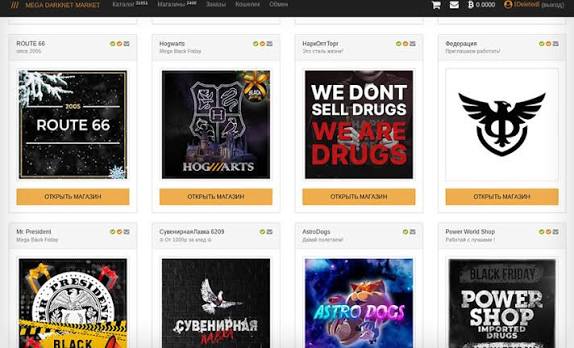
Introduction: darknet vendor shops and markets
Understanding the structure of online anonymous marketplaces requires careful analysis of how vendor ecosystems operate. In many discussions, the phrase darknet vendor shops and markets refers to the broader environment where listings, transactions, and reputation systems interact within encrypted networks. These systems are often misunderstood, especially when users search for safe navigation practices or risk awareness strategies.
In this guide, we examine how these marketplaces function, how trust is established, and why structured verification matters. For more insight, please explore darknet markets overview.
Additionally, topics like fraud prevention, vendor reputation systems, and marketplace moderation all play a role in shaping user outcomes. Throughout this article, the focus remains on analysis rather than participation, emphasizing awareness, risk reduction, and informational understanding.
How Darknet Vendor Shops and Markets Function
The ecosystem behind darknet vendor shops and markets is built on decentralized listings, encrypted communication, and escrow-based transactions. Vendors may operate through centralized marketplaces or maintain independent vendor shops, while storefront-style product listings often resemble digital catalogs designed to organize available information and offerings.
Within these environments, trust is not assumed but earned. Reputation scores, user feedback, and transaction history influence visibility and credibility. However, these systems are not foolproof. Manipulated reviews and cloned listings are common issues that users frequently encounter.
To understand how different platforms are organized, please review darknet marketplace categories and the ways vendor ecosystems can vary across different marketplace structures.
Another important factor is indexing. Many platforms rely on hidden directories and specialized engines rather than traditional search systems. Additionally, comparisons between ecosystems help clarify structural differences.
Trust, Reputation, and Verification Challenges
Trust remains one of the most fragile elements in darknet vendor shops and markets. Since identities are anonymized, buyers rely heavily on feedback loops, transaction history, and escrow protections. However, these signals can be misleading if manipulated by coordinated actors.
Many users search for answers to questions like how vendor reputation systems work or how fake listings appear legitimate. In reality, reputation systems are often gamed through staged transactions or synthetic reviews.
For more clarity, please see how vendor reputation systems are structured.
Verification practices are equally important. Users often look for guidance on identifying legitimate sources versus fraudulent clones.
Additionally, fraud detection frameworks play a significant role in reducing exposure to deceptive listings. Analysts often study behavioral signals such as pricing inconsistencies, account age, and listing duplication patterns.
To understand this, please review dark web link verification techniques.
Risks Associated with Vendor Market Ecosystems
Engaging with darknet vendor shops and markets introduces multiple layers of risk, ranging from financial loss to exposure to deceptive infrastructure. One of the most common risks is exit scams, where marketplaces disappear after accumulating funds.
Users also encounter cloned vendor pages that mimic legitimate storefronts. These fake listings are often distributed through misleading directories or impersonation networks.
To learn more, please explore dark web exit scams and marketplace shutdown patterns.
Another major concern involves product-related deception. Listings may appear authentic but fail to deliver or intentionally misrepresent goods, particularly within vendor segments where product claims and seller identities are difficult to verify. For a closer examination of one major vendor segment, see darknet drug vendors.
Behavioral tracking and metadata correlation also present indirect risks. Even when encryption is used, user behavior patterns can sometimes be analyzed across sessions.
Safety Awareness and Market Evolution
Over time, darknet vendor shops and markets have evolved from simple listing boards into structured ecosystems with layered security features. However, improvements in infrastructure do not eliminate risk.
Security researchers emphasize operational awareness, including cautious browsing habits, verification steps, and risk segmentation. Users often search for safe browsing guidelines, anonymization tools, and behavioral best practices.
In addition, anonymization tools such as routing systems are frequently discussed in privacy research communities. These systems aim to reduce traceability but still require careful configuration.
Finally, historical enforcement actions have shaped how these markets operate today.
To understand better, please review lessons from darknet takedowns.
External Reference
The evolution of anonymous networks and marketplace ecosystems cannot be fully understood without examining the technologies that support privacy infrastructure. Researchers and cybersecurity professionals often reference the Tor network’s architecture when analyzing hidden services, routing mechanisms, and anonymity protections.
For more insight, please explore Tor Project documentation.
Additionally, digital rights organizations continue to study the balance between online privacy, anonymity, and security research. Their findings provide important context for understanding operational security practices and the ethical considerations surrounding anonymous communication networks.
For more insight, please explore Electronic Frontier Foundation privacy resources.
Law enforcement actions and international operations have also shaped the development of darknet ecosystems. Historical investigations and marketplace takedowns offer valuable lessons about trust systems, operational failures, and evolving enforcement strategies.
For more insight, please explore Europol’s cybercrime investigations.
FAQ: darknet vendor shops and markets
1. What are darknet vendor shops and markets used for?
Darknet vendor shops and markets function as structured platforms where listings are posted and transactions may occur within encrypted environments. They are often studied for their decentralized architecture and reputation-based systems. Researchers analyze them to understand trust mechanisms and fraud patterns. However, users frequently misunderstand how these systems operate due to anonymization layers. As a result, education and awareness are essential when studying them.
2. How do reputation systems work in darknet marketplaces?
Reputation systems in darknet vendor shops and markets rely on feedback scores, transaction history, and user ratings. These systems aim to build trust in environments where identities are hidden. However, manipulation is common through fake reviews or coordinated activity. Therefore, reputation alone is not a reliable indicator of legitimacy. Analysts often combine multiple signals to assess credibility more accurately.
3. What risks are most common in darknet vendor environments?
The most common risks include scams, exit fraud, and counterfeit listings. Many users search for answers like “how do darknet scams happen” or “what are fake vendor listings.” In addition, impersonation of legitimate shops is widespread. Financial loss is the most immediate consequence, but exposure to malicious infrastructure is also possible. Therefore, risk awareness is critical when studying these systems.
4. Why do darknet markets frequently shut down?
Markets shut down due to enforcement actions, internal fraud, or exit scams. Law enforcement pressure has increased over time, leading to shorter market lifespans. Additionally, administrators may voluntarily disappear with user funds. This instability is a defining feature of these ecosystems. Consequently, continuity is rarely guaranteed in such environments.
5. How can users study darknet markets safely?
Researchers typically use controlled environments, isolated systems, and strict operational boundaries. They avoid direct interaction with vendors or transactions. Instead, they focus on structural analysis and behavioral patterns. This approach reduces exposure while still allowing academic or security insights. Safety depends on discipline and adherence to controlled methodologies.
Conclusion: darknet vendor shops and markets
The ecosystem of darknet vendor shops and markets is complex, constantly evolving, and shaped by anonymity, reputation systems, and risk factors. While these systems may appear structured, they remain highly unstable and vulnerable to manipulation.
Understanding how trust, verification, and fraud operate provides valuable insight into digital risk environments. The concept of darknet vendor shops and markets highlights the importance of awareness, behavioral caution, and analytical thinking when studying hidden network systems.
Ultimately, informed research and structured safety practices are essential for interpreting these ecosystems responsibly.