
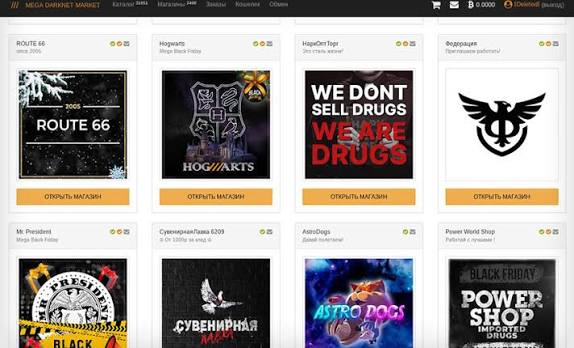
Introduction: Independent Vendor Shops
Digital marketplaces and Independent Vendor Shops have transformed how communities exchange information, products, & services. While many online platforms operate openly, some hidden networks have developed separate ecosystems that researchers analyze to understand technology, security, and online behavior.
The topic of independent vendor shops is often examined because individual sellers operating within underground marketplaces create unique challenges involving trust, verification, and cybersecurity. These shops may function outside traditional commercial systems, making reliability and accountability difficult to establish.
For more insight, please explore dark web risks overview.
Understanding these environments requires a research-based approach. Analysts study marketplace structures, vendor reputation systems, communication methods, and security concerns rather than relying on assumptions or popular myths.
Although independent sellers may attempt to create professional-looking storefronts, hidden marketplaces remain unstable environments. Fraud, impersonation, scams, and security threats can affect users and researchers alike.
This article examines how independent vendor ecosystems develop, why trust becomes difficult to maintain, and what broader lessons these markets provide for cybersecurity and online safety research.
What Are Independent Vendor Shops in Hidden Online Markets?
Independent vendor shops refer to individual seller-operated spaces within online marketplaces or digital communities. Unlike large platforms with centralized control, these shops are usually managed by separate operators who create their own listings, reputation profiles, and communication channels.
Researchers study these environments because they demonstrate how online communities attempt to recreate traditional marketplace features without conventional oversight. Sellers may use ratings, reviews, and branding methods to appear reliable, but these systems often lack the protections found in regulated commerce.
The growth of independent vendor shops shows how digital platforms can create decentralized economies. However, decentralization also introduces challenges related to identity verification, accountability, and information accuracy.
For a deeper dive, please explore darkweb vendor shops and how individual sellers operate within underground marketplaces.
Common characteristics researchers examine include:
- Individual seller profiles
- Reputation mechanisms
- Marketplace communication systems
- Digital payment methods
- Vendor branding strategies
Furthermore, independent sellers often depend on marketplace infrastructure they do not control. If a platform disappears, changes policies, or experiences security problems, vendors and users may lose access.
Therefore, studying independent vendor ecosystems helps researchers understand broader questions about digital trust, online identity, and cybersecurity risks.
The Role of Trust and Reputation Systems for Independent Sellers
Trust is one of the most important challenges in anonymous online environments. Since users often cannot verify who operates a seller account, marketplaces frequently rely on reputation systems to create confidence.
These systems may include reviews, transaction histories, seller ratings, and community feedback. However, reputation does not always represent genuine reliability. Manipulated reviews, fake accounts, and misleading information can affect how users perceive a vendor.
When analyzing independent vendor shops, researchers often focus on how digital trust is created and maintained. These studies reveal that online reputation systems can influence behavior even when traditional verification methods are unavailable.
For more clarity, please see darknet market reputation systems and how online communities attempt to manage trust.
URL: https://torbbb.com/darknet-market-reputation-system/
Several factors can weaken marketplace trust:
- Fake feedback campaigns
- Account impersonation
- Reputation manipulation
- Sudden vendor disappearance
- Marketplace instability
Additionally, sellers may attempt to build recognizable identities through branding and customer communication. However, these methods do not provide the same accountability found in legitimate business environments.
To understand this better, researchers compare underground reputation systems with mainstream online marketplaces. This comparison helps explain how digital trust works and why verification remains essential.
Ultimately, reputation systems provide valuable insight into online behavior, but they cannot remove the risks associated with unregulated environments.
How Independent Vendor Shops Differ From Large Marketplaces
Independent sellers and large marketplace platforms operate differently because their structures, responsibilities, and levels of control are not the same.
Large platforms typically provide centralized systems for account management, dispute handling, and policy enforcement. Independent shops, however, often depend on individual operators and marketplace rules that may change unexpectedly.
The study of independent vendor shops helps researchers understand how decentralized online communities function. These environments demonstrate how individuals attempt to establish credibility without traditional business frameworks.
For a closer look, please check the differences between darknet marketplaces and how these platforms are structured.
Key differences often include:
- Level of platform control
- Vendor independence
- Reputation management
- Security responsibilities
- Stability over time
Moreover, independent operations can create additional uncertainty. A seller may disappear, change identity, or become unavailable without warning. This creates challenges for anyone attempting to analyze marketplace reliability.
Researchers examine these differences because they reveal important lessons about online communities. The same concepts of trust, identity, and reputation appear across many digital platforms, including legitimate marketplaces.
Understanding these structures allows cybersecurity professionals and researchers to better evaluate digital risks.
Security Challenges Associated With Independent Vendor Ecosystems
Security concerns are a major part of research into hidden online marketplaces. Independent sellers often operate within environments where identity verification, platform oversight, and user protection are limited.
These conditions create opportunities for fraud, impersonation, and cybersecurity threats. Researchers analyze how attackers exploit weak trust systems and how users may be exposed to scams or misleading information.
The security discussion around independent vendor shops extends beyond individual sellers. It includes broader questions about digital privacy, marketplace vulnerabilities, and online risk management.
For more details, please explore avoiding dark web scams and common risks associated with fraudulent online activity.
Security concerns may involve:
- Fake seller identities
- Phishing attempts
- Data exposure
- Fraudulent listings
- Malicious communication
Furthermore, marketplace users may underestimate the risks because professional-looking designs can create a false sense of legitimacy.
For more information, please review dark web link verification methods and why authentication remains important online.
Therefore, studying independent vendor ecosystems provides valuable lessons about online safety. It highlights why verification, awareness, and cybersecurity education remain essential in all digital environments.
How Researchers Analyze Independent Vendor Ecosystems
Research into independent online sellers focuses on understanding structures, behaviors, and risks rather than participating in marketplace activity. Cybersecurity experts, academics, and analysts examine available information to identify patterns and improve awareness of digital threats.
Researchers often study how sellers establish identities, how communities create trust, and how marketplaces respond to security challenges. These investigations help explain how decentralized online environments develop and why some systems become unstable over time.
The study of independent vendor shops provides insight into broader topics such as digital reputation, online anonymity, and marketplace governance. Similar trust challenges can appear across many online platforms, making these studies relevant beyond hidden networks.
Common research areas include:
- Marketplace organization
- Seller behavior patterns
- Digital identity management
- Trust and reputation systems
- Cybersecurity vulnerabilities
Additionally, researchers compare different marketplace models to understand why some communities grow while others disappear. Historical analysis can reveal how technical changes, enforcement efforts, and user behavior influence marketplace development.
For a better understanding, please review lessons from dark web takedowns and how investigations have affected online communities.
Responsible research also requires avoiding assumptions. Public discussions about hidden marketplaces often contain exaggerated claims, while professional analysis relies on evidence and careful evaluation.
By studying these ecosystems objectively, researchers contribute to improved cybersecurity knowledge and a deeper understanding of online risks.
Vendor Verification and the Challenge of Digital Identity
Verification is a central issue in any online marketplace. Traditional businesses often rely on legal registration, physical locations, and established consumer protections. Independent online sellers usually lack these verification systems.
As a result, users and researchers must consider how digital identities are created and maintained. A seller profile, reputation score, or online history does not always confirm authenticity.
The analysis of independent vendor shops frequently examines identity challenges because trust depends heavily on information that may be incomplete or unreliable.
For additional knowledge, please read about darkweb vendor trust and how reputation influences online interactions.
Digital identity challenges may include:
- Impersonated accounts
- False reputation signals
- Misleading profiles
- Changing usernames
- Limited accountability
Furthermore, technology can make identity management more complex. Anonymous communication systems may protect privacy, but they can also make verification more difficult.
For a closer look, please check verified onion links and how researchers approach authenticity concerns online.
Therefore, verification remains one of the most important topics in marketplace research. Understanding how trust is created, challenged, and maintained provides valuable lessons for cybersecurity professionals.
These lessons also apply to legitimate digital platforms where identity protection and fraud prevention are ongoing concerns.
The Impact of Marketplace Closures and Vendor Disappearances
Online marketplaces are not permanent structures. Many hidden platforms experience sudden changes due to technical failures, security issues, investigations, or operational decisions.
These events can affect independent sellers because they often depend on marketplace infrastructure outside their control. When a platform disappears, seller profiles, reputation histories, and communication channels may become unavailable.
Researchers studying independent vendor shops often examine these events to understand marketplace stability and digital dependency. These studies reveal how decentralized communities respond when their infrastructure changes.
For more details, please visit darkweb vendor shops vs markets and how different marketplace models compare.
Marketplace disruption can result from:
- Platform shutdowns
- Security incidents
- Law enforcement actions
- Technical failures
- Internal conflicts
Moreover, sudden closures demonstrate the importance of understanding digital risk. Unlike regulated platforms, hidden marketplaces often lack recovery systems or formal dispute processes.
Researchers use these events as case studies. They analyze how communities adapt, how trust changes, and what cybersecurity lessons can be learned.
Ultimately, marketplace instability shows that online reputation and digital presence can be fragile, especially in environments without traditional oversight.
Why Understanding Vendor Networks Matters for Cybersecurity
Vendor networks provide valuable information for cybersecurity research because they demonstrate how online communities organize, communicate, and manage trust.
Although independent sellers are often associated with hidden marketplaces, the underlying concepts are relevant to many digital environments. Issues such as impersonation, fraud prevention, identity verification, and reputation management affect both open and closed platforms.
The topic of independent vendor shops helps researchers explore how technology influences human behavior online. Digital systems can create opportunities for connection, but they can also introduce new forms of risk.
For further information, please refer to cybersecurity risks connected with hidden online environments.
Cybersecurity professionals examine these networks to better understand:
- Online fraud patterns
- Social engineering methods
- Digital identity risks
- Platform vulnerabilities
- Trust management
Additionally, lessons from these environments can improve defensive strategies. Organizations use threat intelligence to identify suspicious behavior and strengthen security systems.
For more details, please explore dark web trends and how online threats continue changing over time.
Understanding vendor networks does not require participation in them. Instead, research provides a way to analyze digital risks and develop stronger approaches to online safety.
Authoritative References: Independent Vendor Shops
Reliable cybersecurity and privacy organizations provide important context for understanding online ecosystems, digital risks, and anonymity technologies. These sources support research-based discussions by offering expert analysis and educational material.
Europol
For more insight, please explore Europol cybercrime research and international investigations into technology-enabled criminal activity.
Europol provides information about cybercrime trends, organized online threats, and international cooperation. Its research helps explain how authorities analyze digital networks and respond to emerging security challenges.
Tor Project
For additional knowledge, please read Tor Project privacy resources and learn how anonymity technology works.
The Tor Project explains privacy technologies, network design, and legitimate uses of anonymous communication systems. Understanding the technology helps separate privacy infrastructure from the activities of individuals who may misuse it.
BleepingComputer
For more details, please explore BleepingComputer cybersecurity reporting on digital threats, security incidents, and online scams.
BleepingComputer provides practical cybersecurity coverage that helps readers understand modern threats, including fraud, malware, and online security challenges.
FAQ: Independent Vendor Shops
What are independent vendor shops?
Independent vendor shops are seller-operated spaces within online marketplaces or digital communities. These shops are managed by individual operators rather than large centralized organizations. Researchers examine them to understand online trust systems, digital identity, and marketplace behavior. However, these environments can involve significant uncertainty because traditional consumer protections are often unavailable.
Why do researchers study independent vendor shops?
Researchers study independent vendor shops to understand how online communities create trust, manage reputation, and respond to security challenges. These studies provide insight into digital marketplaces, cybersecurity risks, and online behavior patterns. The goal is to analyze systems and identify risks rather than encourage participation. Research helps improve awareness of how decentralized platforms operate.
How do independent vendors build online reputations?
Independent sellers often rely on reviews, ratings, account history, and community feedback to establish credibility. However, digital reputation systems can be manipulated through fake reviews, impersonation, or misleading information. Therefore, reputation alone does not guarantee reliability. Researchers analyze these systems to understand how trust develops in online environments.
Are independent online marketplaces secure?
Independent marketplaces may face security challenges because they often lack centralized oversight and traditional verification systems. Users may encounter fraud, scams, identity issues, or misleading information. Additionally, marketplace structures can change quickly due to technical problems or security events. Understanding these risks is important for cybersecurity awareness.
How do marketplace shutdowns affect independent vendors?
Marketplace shutdowns can significantly affect independent sellers because they may lose access to accounts, communication channels, and reputation histories. These events demonstrate the risks of relying on unstable digital platforms. Researchers study shutdowns to understand how online communities adapt and how digital ecosystems change over time. Such analysis provides valuable lessons about online resilience and security.
Conclusion: Independent Vendor Shops
Digital marketplaces continue to evolve as technology, privacy tools, and online communities change. Understanding these environments requires careful research rather than assumptions. The study of independent vendor shops provides valuable insight into digital identity, reputation systems, marketplace structures, and cybersecurity concerns.
Although these platforms may appear decentralized, they still depend on systems of trust, communication, and technical infrastructure. Therefore, researchers examine how these factors influence online behavior and create new challenges for digital safety.
By exploring topics such as vendor verification, marketplace reputation, online fraud prevention, and cybersecurity awareness, readers can better understand how hidden digital ecosystems operate. This knowledge also applies to broader internet security discussions.
Ultimately, independent vendor shops represent one part of a larger conversation about online trust and risk management. Continued research helps improve awareness, strengthen security practices, and develop better approaches to understanding complex digital environments.