
Introduction
The rise of anonymous marketplaces has changed how illicit substances are advertised, traded, and misrepresented online. Among the most persistent issues are deceptive listings and fraudulent vendors that exploit user trust. The topic of darknet drug scams has become increasingly relevant as researchers document evolving fraud tactics across hidden networks.
For more insight, please explore dark web risks overview.
These environments often lack verification systems, making it easier for bad actors to manipulate buyers with fake listings, mislabeled products, or non-existent shipments. As a result, users face both financial loss and significant health risks. Understanding how these scams operate is essential for identifying patterns of deception and avoiding exposure to dangerous transactions.
This article breaks down scam structures, behavioral signals, and enforcement insights to provide a clear overview of how fraud persists in hidden ecosystems.
How Darknet Drug Scams Operate in Hidden Markets
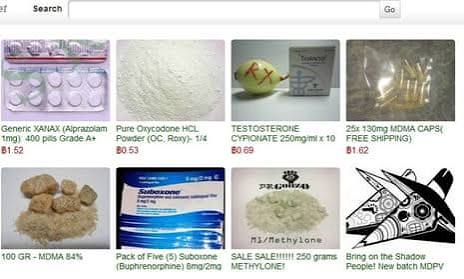
The structure of anonymous marketplaces creates conditions where fraud can thrive. Because identities are masked and transactions are irreversible, deceptive vendors can easily exploit trust gaps. In many documented cases, listings appear legitimate at first glance but conceal entirely different substances or fake delivery promises.
Within darknet drug scams, common tactics include “ghost listings,” where products are advertised but never shipped, and “bait-and-switch” schemes, where buyers receive substances different from what was described. These methods rely heavily on psychological pressure, urgency cues, and reputation manipulation.
To understand broader marketplace behavior patterns, please explore darknet market reputation system.
Additionally, escrow systems—when present—are often bypassed or misused in exit scenarios. Once trust is established, scammers may suddenly disappear with accumulated funds. This pattern contributes to recurring cycles of fraud across multiple platforms.
Another important factor is marketplace fragmentation. When a platform is shut down, clone sites often emerge, replicating listings but introducing new layers of deception. These copied environments increase the difficulty of verifying authenticity.
For a closer look at fraud patterns and structural vulnerabilities, please explore dark web product scams, how to identify fake drugs online and counterfeit darknet prescription drugs
Psychological Tactics Behind Darknet Drug Scams
Scammers rely not only on technical anonymity but also on behavioral manipulation. Many users entering these environments assume anonymity equals safety, which creates a false sense of security. Fraud actors exploit this assumption through persuasive language and fabricated trust signals. Tomdive deeper, please explore unpredictable illicit drug products and product uncertainty & drug misrepresentation
In many darknet drug scams, vendors use staged reviews, fake transaction histories, and artificially inflated ratings. These tactics simulate legitimacy and encourage repeat purchases. Over time, users may ignore warning signs due to perceived consistency in earlier interactions.
To understand how fraud patterns evolve across ecosystems, please explore dark web exit scams.
Another psychological tactic involves urgency framing. Limited stock claims or time-sensitive offers pressure users into quick decisions. This reduces careful evaluation and increases the likelihood of successful scams.
Additionally, scammers often mirror legitimate marketplace behavior, including professional branding and structured product descriptions. This imitation makes it difficult for inexperienced users to distinguish between authentic and fraudulent listings.
For deeper context on how deceptive networks evolve, please explore fake onion links how they trick researchers.
Financial and Safety Risks Linked to Scam Activity
The consequences of fraudulent activity extend beyond financial loss. Users engaging in darknet drug scams often face exposure to unsafe substances, incorrect dosages, or completely unrelated compounds. These risks can lead to severe health complications, especially when unknown chemicals are involved. To understand better, please checkout counterfeit Vyvanse 70MG capsules and counterfeit OxyContin 80MG pills and cryptocurrency payment scams on darknet markets
Financially, losses accumulate quickly because transactions in these environments are irreversible. Once funds are transferred, recovery is nearly impossible. This makes victims particularly vulnerable to repeated exploitation across different platforms.
To explore enforcement-related disruptions, please review lessons from darkweb takedowns.
In addition to monetary risks, data exposure is another concern. Some scam sites collect user information, later used for phishing or identity targeting. Even minimal interaction can result in long-term privacy risks.
Another major issue involves counterfeit vendor migration. After marketplace shutdowns, scammers often reappear under new identities, continuing the same fraud patterns. This cycle reinforces instability within the ecosystem and complicates tracking efforts.
For more information on how enforcement intersects with fraud prevention, please explore darknet drug risks.
Identifying Red Flags in Darknet Drug Scams
Recognizing early warning signs is crucial in avoiding fraudulent activity. One of the most common indicators is inconsistent vendor history. Accounts with sudden spikes in positive reviews or minimal transaction history should be approached with caution. For a better understanding, please checkout popular darknet drugs targeted by scammers, counterfeit 30MG Adderall XR products and counterfeit Xanax products
In darknet drug scams, another red flag is unrealistic pricing. Offers significantly lower than market averages often indicate fake listings or low-quality substitutes. Similarly, unclear product descriptions or missing chemical details may suggest deception.
Poor communication patterns can also signal risk. Delayed responses, vague answers, or overly scripted messages often indicate automated or fraudulent behavior.
Additionally, users should be cautious of external payment instructions outside secure marketplace systems. This frequently signals escrow bypass attempts, which are strongly associated with scam activity.
For broader safety strategies, please explore safe dark web browsing tips.
External Authority Links: darknet drug scams
Electronic Frontier Foundation
For broader context on privacy, anonymity, and digital rights, please explore EFF resources.
The Electronic Frontier Foundation focuses on civil liberties in digital environments, including surveillance, anonymity protections, and user rights. While not focused specifically on illicit markets, their work provides important ethical and legal framing for discussions around anonymous networks.
In the context of darknet drug scams, EFF materials help explain the balance between privacy protections and abuse prevention. Their research highlights how strong anonymity systems can protect whistleblowers and journalists while also creating enforcement challenges when abused by fraud actors.
BleepingComputer (Cybersecurity Incident Reporting)
For real-time reporting on cybercrime incidents, malware campaigns, and online fraud operations, please explore BleepingComputer coverage.
BleepingComputer is widely used in cybersecurity communities for tracking emerging threats, including phishing operations, ransomware campaigns, and marketplace-related scams. Their reporting often includes technical breakdowns of how fraud infrastructure is deployed and dismantled.
When analyzing darknet drug scams, such reporting helps bridge the gap between academic research and active threat intelligence. It provides practical case studies of how scams evolve, how users are targeted, and how digital infrastructures are abused across different ecosystems.
FAQ: darknet drug scams
What are darknet drug scams and why are they common?
Darknet drug scams refer to fraudulent activities where vendors misrepresent or fail to deliver advertised substances. They are common because anonymous marketplaces lack strong identity verification systems. This allows scammers to create fake listings or manipulate buyer trust without immediate accountability. As a result, users often face financial loss or unsafe product exposure.
How do scammers trick buyers in anonymous marketplaces?
Scammers use a combination of fake reviews, staged transaction histories, and misleading product descriptions. In many cases, they also rely on urgency tactics to push quick decisions. This reduces careful evaluation and increases the chance of successful fraud. Over time, these methods create a false sense of legitimacy.
Can victims recover lost funds from darknet scams?
In most cases, recovering funds is extremely difficult due to irreversible transaction systems. Once payments are completed, there is usually no central authority to reverse them. Some victims attempt to report scams, but enforcement outcomes vary widely. This makes prevention more effective than recovery.
What warning signs suggest a darknet drug scam?
Common warning signs include unusually low prices, inconsistent vendor histories, and vague product descriptions. Poor communication and refusal to use escrow systems are also major indicators. Additionally, newly created accounts with excessive positive feedback should be treated with caution. These patterns often signal fraudulent intent.
Why do darknet drug scams continue despite enforcement actions?
These scams persist because platforms frequently re-emerge under new identities after shutdowns. Scammers adapt quickly by migrating to new marketplaces and refining tactics. Additionally, anonymity tools make tracking and enforcement challenging. This creates a continuous cycle of fraud evolution.
Conclusion
Understanding darknet drug scams is essential for recognizing how deception operates within anonymous digital environments. These scams rely on a mix of psychological manipulation, technical anonymity, and structural weaknesses in unregulated marketplaces.
While enforcement actions and research efforts continue to disrupt fraudulent networks, new platforms and tactics consistently emerge. This creates an ongoing challenge for both investigators and users attempting to navigate these spaces safely.
By identifying behavioral patterns, recognizing warning signs, and understanding marketplace dynamics, it becomes possible to reduce exposure to fraud. Ultimately, awareness remains the most effective defense against evolving scam structures in hidden online ecosystems.