
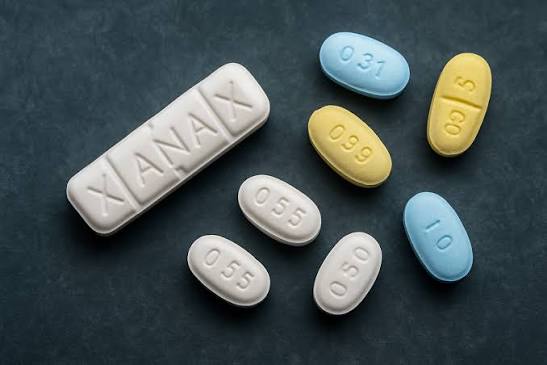
Introduction: Xanax Benefits and Risks
Prescription benzodiazepines remain among the most widely discussed medications in both healthcare and online marketplaces. Understanding xanax benefits and risks requires examining its legitimate medical applications, therapeutic effectiveness, misuse potential, and growing presence in anonymous online environments. Although alprazolam can provide meaningful relief for certain anxiety-related conditions, it also carries significant safety concerns when used improperly or obtained through unregulated sources. To understand better, please see prescription versus research benzodiazepines
Researchers, healthcare professionals, and cybersecurity analysts increasingly study how prescription medications circulate through digital marketplaces. These investigations reveal important trends involving pharmaceutical diversion, counterfeit drug distribution, and consumer safety risks. Consequently, individuals seeking information about anxiety medications often encounter conflicting information across online platforms.
For more insight, please explore drug awareness overview.
This article examines the clinical role of alprazolam, the factors contributing to its misuse, the risks associated with anonymous marketplaces, and the broader implications for public health and online safety research.
What Is Alprazolam and Why Is It Prescribed?
Alprazolam, commonly sold under the brand name Xanax, belongs to a class of medications known as benzodiazepines. Physicians primarily prescribe it to treat generalized anxiety disorder, panic disorder, and certain short-term anxiety symptoms. Because the medication acts quickly on the central nervous system, patients often experience rapid symptom relief.
Healthcare providers prescribe alprazolam carefully due to its effectiveness and potential for dependency. Short-term therapeutic use can reduce panic attacks, decrease acute anxiety symptoms, and improve daily functioning for patients experiencing severe psychological distress. However, clinicians usually recommend monitoring treatment duration closely.
The medication works by enhancing gamma-aminobutyric acid (GABA) activity in the brain. As a result, neural activity slows, producing calming and sedative effects. Although this mechanism provides therapeutic benefits, it also contributes to tolerance development and dependence risk.
Several factors influence prescribing decisions, including patient age, mental health history, concurrent medications, and substance use history. Consequently, medical professionals often evaluate alternative treatment options before recommending long-term benzodiazepine therapy.
Furthermore, researchers continue examining how prescription medications appear in illicit online ecosystems. Some investigations suggest that diverted pharmaceuticals increasingly circulate through anonymous marketplaces and encrypted communication channels.
To understand better, please review prescription medication risks on darknet markets.
Xanax Benefits and Risks in Clinical and Non-Clinical Settings
Evaluating xanax benefits and risks requires distinguishing between supervised medical treatment and unsupervised consumption. Under medical supervision, alprazolam can provide meaningful therapeutic outcomes for specific conditions. Outside clinical settings, however, risks often increase substantially.
One recognized benefit involves rapid symptom control during acute anxiety episodes. Patients experiencing panic attacks may respond quickly to prescribed treatment, improving short-term quality of life. Additionally, some individuals undergoing severe stress episodes benefit from temporary pharmacological intervention.
Despite these benefits, several risks warrant careful consideration. Tolerance can develop within relatively short periods, particularly when higher doses are used consistently. As tolerance increases, some individuals require larger doses to achieve similar effects, raising the risk of physical dependence.
Withdrawal symptoms also present significant medical concerns. Individuals discontinuing long-term benzodiazepine use may experience anxiety, insomnia, irritability, tremors, and, in severe cases, seizures. Therefore, healthcare providers typically recommend gradual tapering strategies rather than abrupt discontinuation.
Another important concern involves counterfeit pharmaceutical products. Researchers and law enforcement agencies have identified counterfeit alprazolam tablets containing unexpected substances, including synthetic compounds and potent opioids. These findings highlight substantial safety challenges associated with unregulated drug markets.
The emergence of anonymous digital marketplaces has further complicated risk assessment. Buyers often rely on vendor ratings, forum discussions, and marketplace reputation systems that may not accurately reflect product authenticity or safety standards.
For a deeper dive, please explore trends involving illicit pharmaceutical distribution.
The Role of Anonymous Markets in Prescription Drug Distribution
The availability of prescription medications through anonymous online marketplaces has become a growing concern for researchers, healthcare professionals, and law enforcement agencies. Discussions surrounding xanax benefits and risks increasingly include the impact of digital drug markets, where pharmaceutical products can be purchased without medical oversight or prescription verification.
Anonymous marketplaces often operate using reputation systems designed to build consumer trust. Vendors accumulate ratings, reviews, and transaction histories that mimic legitimate e-commerce platforms. However, unlike regulated pharmacies, these environments rarely provide reliable quality control or product authentication mechanisms. Consequently, consumers face significant uncertainty regarding drug composition, dosage accuracy, and contamination risks.
Market disruptions also contribute to instability. Platform closures, vendor disappearances, and law enforcement interventions frequently interrupt supply chains. As a result, buyers may migrate toward unfamiliar vendors or alternative marketplaces that offer fewer protections and increased fraud exposure.
Researchers have observed that prescription benzodiazepines remain among the most discussed pharmaceutical categories in anonymous drug markets. This trend reflects broader concerns about accessibility, misuse, and the commercialization of controlled substances in encrypted online ecosystems.
To learn more, please explore active marketplace ecosystems and their operational patterns.
For a closer look, please check how vendor storefronts operate in anonymous marketplaces.
Counterfeit Pharmaceuticals and Consumer Safety Concerns
One of the most serious issues surrounding online pharmaceutical markets involves counterfeit medications. While legitimate alprazolam products undergo manufacturing standards and regulatory oversight, counterfeit tablets can contain unexpected ingredients, incorrect dosages, or entirely different substances. Therefore, discussions about xanax benefits and risks must also address counterfeit drug exposure.
Investigators have identified counterfeit benzodiazepines containing synthetic opioids, novel psychoactive substances, and various cutting agents. These findings create significant public health concerns because consumers often cannot visually distinguish authentic products from counterfeit alternatives. Even experienced users may encounter products that differ substantially from their advertised contents.
Additionally, counterfeit manufacturing operations rarely follow pharmaceutical safety protocols. Variations in potency, contamination levels, and ingredient composition increase the likelihood of overdose, toxic reactions, and dangerous drug interactions. Consequently, healthcare professionals continue emphasizing the risks associated with medications obtained outside regulated medical systems.
Digital anonymity compounds these challenges. Buyers typically rely on vendor reputation scores, forum recommendations, and user reviews that may be manipulated or inaccurate. Furthermore, fraudulent vendors frequently exploit periods of marketplace disruption, increasing financial and health-related risks simultaneously.
The intersection of counterfeit pharmaceuticals and anonymous commerce illustrates broader concerns regarding online drug ecosystems. Researchers continue studying how technological anonymity, financial incentives, and consumer behavior interact within these evolving marketplaces.
To find out more, please read about strategies used to identify fraudulent marketplace activity.
To understand better, please review research on synthetic drug distribution patterns.
Research, Public Health, and Digital Risk Awareness
Public health researchers increasingly analyze anonymous drug markets to understand emerging substance trends, consumer behaviors, and evolving distribution networks. Rather than focusing solely on criminal enforcement, many studies now examine broader social and healthcare implications.
Digital marketplace analysis has revealed how rapidly new substances can enter consumer markets. Researchers monitor discussions involving prescription stimulants, benzodiazepines, synthetic cannabinoids, and novel psychoactive compounds to identify potential health threats before they become widespread. This surveillance approach supports harm reduction strategies and public health preparedness.
At the same time, cybersecurity researchers investigate the technological infrastructure supporting anonymous marketplaces. Their findings help policymakers understand how encryption, cryptocurrency, and decentralized communication systems influence online drug distribution. Consequently, interdisciplinary collaboration between medical researchers, cybersecurity experts, and law enforcement agencies has become increasingly important.
Public education remains another critical component of risk reduction. Individuals seeking information about anxiety medications, prescription drug safety, or online pharmaceutical markets benefit from evidence-based resources rather than anonymous user testimonials. Reliable information supports informed decision-making while reducing exposure to misinformation and fraudulent activity.
For more insight, please explore lessons learned from major enforcement operations targeting anonymous marketplaces.
External Authority References: Xanax Benefits and Risks
For more insight, please explore benzodiazepine safety information from the National Institute on Drug Abuse.
For additional information, please review drug safety guidance from the U.S. Food and Drug Administration.
For a broader understanding of anonymous network technologies, please explore The Tor Project.
FAQ: Xanax Benefits and Risks
Is alprazolam considered effective for treating anxiety disorders?
Alprazolam has demonstrated effectiveness in treating certain anxiety disorders, particularly panic disorder and acute anxiety episodes. Because it acts quickly, many patients experience symptom relief within a relatively short period. However, healthcare providers usually recommend cautious prescribing due to concerns surrounding tolerance and dependency. Long-term treatment strategies often incorporate therapy, lifestyle interventions, and alternative medications alongside or instead of benzodiazepines.
Why do counterfeit Xanax products present significant risks?
Counterfeit benzodiazepines pose serious health risks because their contents often differ from their advertised ingredients. Some counterfeit tablets contain synthetic opioids, research chemicals, or varying concentrations of active substances. Consequently, users cannot reliably predict potency or safety. This uncertainty increases the likelihood of overdose, adverse reactions, and unexpected drug interactions.
Why do anonymous marketplaces continue to sell prescription medications?
Anonymous marketplaces attract buyers and sellers because they offer privacy, cryptocurrency payments, and global accessibility. Additionally, reputation systems and user reviews create an appearance of trustworthiness. However, these mechanisms rarely provide the same protections found within regulated pharmaceutical systems. Researchers continue studying how anonymity influences consumer behavior and illicit commerce.
How do researchers study online pharmaceutical markets?
Researchers analyze marketplace listings, discussion forums, vendor behavior, and transaction trends to understand digital drug ecosystems. These investigations help identify emerging substances, changing consumer preferences, and evolving criminal business models. Furthermore, public health experts use this information to monitor potential health threats and improve harm reduction strategies. Interdisciplinary research increasingly combines medical, technological, and sociological approaches.
What are the broader public health concerns surrounding online drug markets?
Public health concerns extend beyond individual drug use and include counterfeit medications, misinformation, substance misuse trends, and barriers to treatment access. Anonymous markets also complicate traditional surveillance systems because new products can emerge rapidly. Therefore, healthcare professionals, policymakers, and researchers increasingly collaborate to understand and address these evolving risks. Education and evidence-based information remain essential components of prevention efforts.
Conclusion: Xanax Benefits and Risks
Understanding xanax benefits and risks requires balancing its recognized medical value against its potential for misuse, dependency, and counterfeit market exposure. While alprazolam remains an important therapeutic option for certain anxiety-related conditions, its effectiveness depends heavily on professional supervision and appropriate clinical use.
At the same time, anonymous digital marketplaces have introduced new challenges involving counterfeit pharmaceuticals, consumer deception, and public health monitoring. Researchers continue investigating these complex ecosystems to better understand how technology, commerce, and healthcare intersect. As digital drug markets evolve, evidence-based education, responsible prescribing practices, and ongoing research remain essential for improving public safety and informed decision-making.