
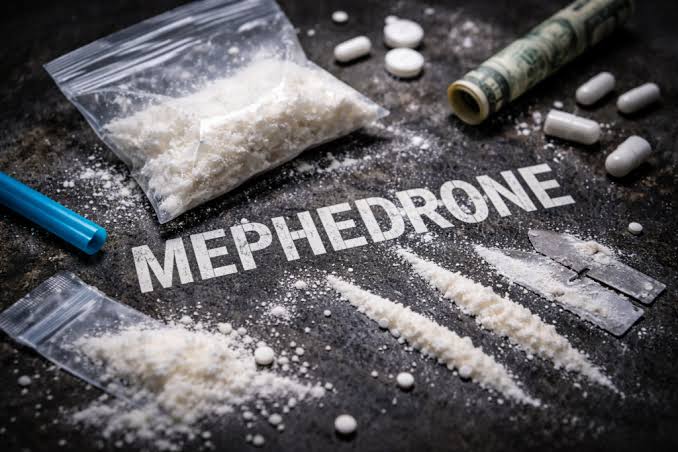
Mephedrone remains a widely discussed synthetic stimulant because its short-term effects can appear deceptively straightforward while its risks are far more complex. Understanding mephedrone effects and risks requires looking beyond slang, online claims, and dramatic headlines to examine what researchers, public-health agencies, and law-enforcement investigations actually show. To dive deeper, please see alpha-PVP risks compared with other synthetic cathinones
This article focuses on drug awareness, health concerns, changing trends, and the uncertainty surrounding illicit substances. It does not provide instructions for obtaining or using drugs.
For more insight, please explore the drug awareness overview.
What Is Mephedrone? A Simple Definition
Mephedrone is a synthetic cathinone, a class of psychoactive stimulants related to compounds derived from the khat plant. Its scientific name is 4-methylmethcathinone, and it is often shortened to 4-MMC. Although it is sometimes discussed alongside MDMA, cocaine, or amphetamine, it is a distinct substance with its own pharmacology and risk profile.
The term “synthetic cathinones” covers a broader and changing group of substances. For more context on the category, please read synthetic cathinones. This distinction matters because substances sold under the same name can vary in identity and purity.
Mephedrone Effects and Risks: Why the Topic Still Matters
Questions about mephedrone did not disappear when many countries introduced legal controls. Instead, the topic remains relevant because synthetic drug markets evolve, new compounds emerge, and online misinformation can outlive the products it originally described.
Europol’s historical assessment of mephedrone identified increased evidence of availability and use before European authorities moved toward coordinated control measures. More recently, Europol operations have continued to identify synthetic cathinones as part of broader illegal drug networks.
This is also why researchers distinguish between a drug’s acute effects, longer-term concerns, dependence potential, and market-related dangers. The experience someone expects is not necessarily the effect produced by the substance actually consumed.
Short-Term Mephedrone Effects
Mephedrone acts as a stimulant and can affect mood, energy, alertness, and social behavior. Reported short-term effects may include:
- increased heart rate and blood pressure;
- heightened stimulation and restlessness;
- elevated body temperature;
- sweating and jaw tension;
- anxiety, agitation, or confusion;
- sleep disruption;
- changes in appetite;
- chest discomfort or palpitations.
However, individual reactions can vary substantially. Factors such as other substances, pre-existing conditions, the environment, and uncertainty about the drug’s identity can all change the outcome.
A crucial public-health point is that a substance’s desired effects do not cancel its harmful effects. Stimulation and euphoria may occur alongside cardiovascular strain or psychological distress. For a broader comparison of stimulant-related concerns, please review darknet stimulants.
Mephedrone Effects and Risks on the Brain and Body
The mephedrone effects and risks conversation often focuses on what the drug may do to the brain’s chemical signaling systems. Research suggests that mephedrone influences monoamine neurotransmitters, including dopamine, serotonin, and norepinephrine. These systems are involved in reward, mood, attention, and physiological arousal.
That mechanism helps explain why a person may experience stimulation, mood changes, and later fatigue or a difficult “comedown.” Nevertheless, the exact pattern can differ, especially when illicit samples contain unexpected substances.
Physical risks may become more serious when body temperature rises or when cardiovascular stress is pronounced. Symptoms such as severe agitation, chest pain, seizures, collapse, or extreme confusion should be treated as medical emergencies rather than something to manage alone.
Why Mephedrone Can Be Especially Unpredictable
One of the biggest dangers in discussing illicit drugs is the assumption that a familiar name guarantees a familiar substance. It does not.
A product marketed as mephedrone may contain another synthetic cathinone, a different stimulant, or a mixture of compounds. Even when the substance is correctly identified, its concentration can vary. As a result, online descriptions of a “normal” reaction may create a false sense of predictability.
For more clarity about the broader problem of changing psychoactive compounds, please see novel psychoactive substances. The rapid evolution of these substances makes awareness more valuable than confidence.
Mephedrone and Mental Health Concerns
Another important question is, can mephedrone affect mental health? The answer is that acute stimulant effects can involve anxiety, paranoia, agitation, and altered thinking, particularly when use is repeated or the person is already vulnerable.
Some people may also experience a period of low mood, exhaustion, or irritability after the immediate effects fade. Sleep deprivation can worsen these problems, especially when stimulant exposure occurs over an extended period.
Mental-health symptoms should not be dismissed as merely part of a predictable recovery phase. Persistent paranoia, severe anxiety, suicidal thoughts, hallucinations, or dangerous confusion require professional help.
Mephedrone Effects and Risks in Repeated Use
Repeated exposure may increase several concerns, including psychological dependence, disrupted sleep, impaired decision-making, and ongoing cardiovascular stress. Patterns of repeated stimulant use can also interfere with work, relationships, and mental wellbeing.
Compulsive use is particularly important because a person may continue taking a drug despite recognizing harmful consequences. That pattern can be driven by reward-seeking, avoidance of unpleasant after-effects, or a changing relationship with the substance.
Europol has also warned about the serious psychological and neurological harms associated with the abuse of synthetic cathinones, alongside risks of addiction, organ damage, and death.
Mixing Mephedrone With Other Substances
Polydrug use is one of the most significant risk factors in unpredictable drug-related emergencies. Combining psychoactive substances can complicate effects on the heart, nervous system, temperature regulation, and judgment.
Particularly concerning combinations may involve other stimulants, alcohol, opioids, or medications that affect serotonin or the central nervous system. The danger is not limited to a simple “stronger effect.” Interactions can produce overlapping or conflicting physiological stresses.
Because illicit products may already contain undisclosed ingredients, intentional mixing adds another layer of uncertainty. For more insight into why broader research chemical safety matters, it helps to consider identity, contamination, interactions, and legal exposure together.
Legal Status and Enforcement Trends
Is mephedrone illegal? The answer depends on jurisdiction, but mephedrone has been subject to control measures in many countries, including broad restrictions on its manufacture, possession, distribution, and sale.
Europol’s joint report documents the European process that led to mephedrone being subjected to control measures and criminal penalties across the EU.
Law-enforcement trends also show that online drug markets do not provide lasting immunity from investigation. Recent reporting on darknet prosecutions has highlighted continued enforcement against vendors and market operators.
For a wider explanation of market instability and enforcement pressure, please check darknet market shutdown. This is relevant because legal consequences and fraud risks are part of the overall risk environment.
Mephedrone and the Dark Web: The Information Risk
The dark web is often mentioned in discussions of synthetic drugs, but its role should be understood carefully. Anonymous networks can host research, privacy tools, journalism, and criminal activity. They are not synonymous with illegal drug markets.
However, online environments can amplify misleading claims. Listings may exaggerate purity, hide substitutions, or create false trust through fabricated reviews. Darknet markets can also disappear suddenly, while law-enforcement investigations and scams remain persistent risks.
To understand better how synthetic substances fit into that broader ecosystem, please explore darknet research chemicals. For recent evidence that illegal online markets remain vulnerable to enforcement, BleepingComputer has reported on major darknet drug cases and prosecutions.
Key Questions Researchers Still Ask
The science around synthetic drugs continues to develop. Important questions include:
How toxic is mephedrone?
Toxicity depends on exposure, individual health, co-occurring substances, and the actual composition of the product. Serious reactions are possible, and illicit-market uncertainty makes risk estimates more difficult.
Can mephedrone cause addiction?
Yes, repeated stimulant use can develop into problematic or compulsive behavior. Risk varies, but the possibility of dependence should be taken seriously.
Is mephedrone the same as MDMA?
No. The substances are chemically distinct, although their effects may overlap in some ways. Similar subjective descriptions do not mean they share the same risk profile.
Why are synthetic cathinones hard to track?
New compounds can appear, disappear, or be misidentified quickly. Naming confusion, substitutions, and changing laws can further complicate surveillance.
Does a dark web listing prove a drug is genuine?
No. A listing, review, reputation score, or technical appearance does not independently verify chemical identity or purity.
Mephedrone Effects and Risks: What the Evidence Supports
The most responsible conclusion is not that every reported experience is identical. Instead, the evidence supports a more cautious picture: mephedrone is a potent synthetic stimulant with potentially serious cardiovascular, neurological, psychological, dependence-related, and legal risks.
Three evidence-based principles are especially important:
- A name does not verify a substance. Illicit products can be mislabeled or adulterated.
- A previous experience does not guarantee a future outcome. Physical condition, combinations, and product composition can change the risk.
- Severe symptoms require urgent medical attention. Delaying care because of fear, embarrassment, or legal concerns can make an emergency worse.
This approach also helps readers avoid two common errors: treating online anecdotes as medical evidence and assuming that legal enforcement tells the whole story about health risk.
When to Seek Help: Mephedrone Effects and Risks
A suspected drug emergency may involve severe chest pain, breathing difficulty, seizures, collapse, extreme overheating, dangerous agitation, or loss of consciousness. Emergency services should be contacted immediately.
Someone struggling with repeated stimulant use or compulsive drug behavior may benefit from speaking with a qualified healthcare or addiction professional. Support can also be important for family members who are trying to understand changing behavior.
The safest response to a substance-related emergency is not online self-diagnosis. Professional assessment is especially important when symptoms are severe, unusual, or worsening.
References and Further Reading
Europol’s mephedrone joint report provides regulatory and historical context.
For more recent enforcement context, Europol reporting on synthetic-drug networks highlights the continuing challenge posed by synthetic cathinone trafficking.
For additional online-threat reporting, BleepingComputer’s darknet coverage provides current reporting on major market cases and enforcement developments.
FAQs: Mephedrone Effects and Risks
What are the main mephedrone side effects?
Reported side effects can include increased heart rate, elevated blood pressure, sweating, anxiety, agitation, insomnia, jaw tension, and changes in appetite. Serious reactions can occur.
How long do mephedrone effects last?
The duration can vary considerably depending on the person, the substance’s identity, and other factors. Online estimates should not be treated as guarantees because illicit products are unpredictable.
Is mephedrone a synthetic cathinone?
Yes. Mephedrone, or 4-MMC, belongs to the synthetic cathinone family of psychoactive stimulants.
Can mephedrone cause long-term problems?
Repeated use may increase concerns related to dependence, sleep disruption, cardiovascular strain, and mental health. Long-term outcomes can vary, and research continues.
Why is mephedrone considered risky?
The risks extend beyond its direct pharmacological effects. Mislabeling, unknown potency, interactions, repeated use, legal exposure, and delayed treatment can all increase harm.
What should someone do during a suspected drug emergency?
Seek emergency medical help immediately if there are severe or rapidly worsening symptoms. Do not rely on online advice as a substitute for urgent professional care.
Conclusion: Mephedrone Effects and Risks
Understanding mephedrone effects and risks means looking beyond short descriptions of stimulation or euphoria. The larger picture includes physical strain, mental-health effects, dependence potential, unpredictable illicit products, interactions with other substances, and changing legal consequences.
Research and awareness remain essential because the synthetic drug landscape changes quickly. Clear information can help counter myths, sensationalism, and unsafe assumptions. For readers examining this topic through the lens of online drug trends, the strongest long-term approach is evidence, context, and caution rather than false certainty.