Vendor Verification
Vendor verification is a core part of understanding how trust is established within darknet ecosystems. Because these environments operate without central regulation, users rely on indirect signals to evaluate whether vendors are legitimate, consistent, and reliable.
At TorBBB, we analyze how vendor credibility is formed through reputation systems, marketplace feedback, and independent vendor shops. In addition, we examine how trust evolves across different platforms and how verification methods reduce exposure to scams and fraudulent actors.
Furthermore, this category explores how vendor behavior, historical performance, and market activity contribute to long-term trust signals. As a result, readers gain a structured understanding of how verification systems function within anonymous marketplaces.
Darknet Vendor Shops and Independent Trust Systems
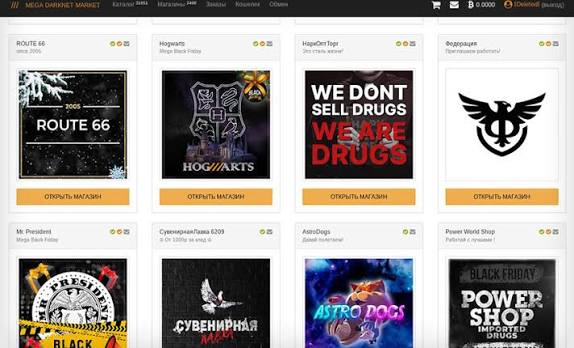
Vendor shops operate independently from large marketplaces, allowing vendors to control their own reputation systems and customer interactions. These shops often emerge after marketplace shutdowns or as alternatives to centralized platforms.
However, they also introduce new risks because:
- there is no escrow system
- trust depends entirely on the vendor
- verification becomes more difficult
Please checkout darknet vendor shops and market systems analysis
Verified Onion Links and Trust Validation
One of the most important aspects of vendor verification is ensuring that onion links themselves are authentic. Fake links are commonly used to impersonate vendors and steal funds or data.
Verification typically involves:
- cross-checking trusted sources
- analyzing historical link consistency
- confirming community validation signals
Please see verified onion links authenticity checking
Fake Vendor Activity and Scam Detection
Fake vendor activity is one of the most common risks in darknet environments. Scammers often imitate legitimate vendors or create duplicate listings to mislead users.
Common indicators include:
- inconsistent vendor history
- sudden reputation changes
- duplicate or cloned listings
Please review fake onion links and scam behavior analysis
Reputation Systems and Vendor Credibility
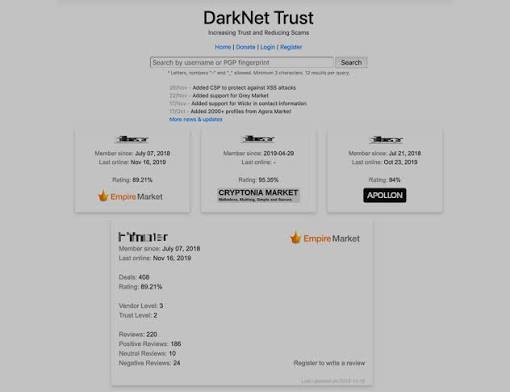
Vendor reputation systems play a central role in establishing trust within darknet markets. These systems track transaction history, feedback scores, and dispute outcomes.
As a result, vendors with stable performance tend to gain higher visibility and credibility over time.
Please read darknet market reputation system trust analysis
FAQ Section
What is vendor verification?
Vendor verification is the process of assessing whether a darknet vendor is trustworthy based on reputation, behavior, and historical performance.
How do darknet vendors build trust?
They build trust through consistent transactions, positive feedback, and reputation systems within marketplaces or vendor shops.
Why is vendor verification important?
It helps reduce exposure to scams, fake listings, and fraudulent vendor identities.
Are vendor shops safer than marketplaces?
Not always. Vendor shops remove intermediaries, but they also remove escrow protection, making verification even more important.
Conclusion
Vendor verification is essential for understanding trust dynamics within darknet ecosystems. By analyzing vendor shops, reputation systems, and verification methods, this category provides insight into how credibility is established and maintained in anonymous environments.