
Introduction: MDMA Effects and Risks
Understanding mdma effects and risks requires separating scientific evidence from popular myths and online misinformation. MDMA, also known as 3,4-methylenedioxymethamphetamine, has been studied for decades because of its complex effects on the brain, behavior, and physical health. Researchers continue to investigate both its potential medical applications under controlled conditions and the dangers associated with recreational or unregulated use.
Today, public health organizations emphasize informed decision-making based on credible research rather than sensational claims. At the same time, illegal production, uncertain purity, and counterfeit substances create additional risks for individuals who obtain MDMA outside regulated research settings.
For more insight, please explore drug awareness.
This article explains how MDMA affects the body, why its risks vary between individuals, and what current scientific literature says about its short-term and long-term effects. The goal is to provide educational information that supports better health awareness and informed discussions.
What Is MDMA and How Does It Affect the Brain?
MDMA is a synthetic psychoactive substance that primarily influences serotonin, dopamine, and norepinephrine activity within the brain. Unlike many stimulants, it produces both stimulant and empathogenic effects, meaning users often report increased energy alongside heightened emotional openness. Scientists continue studying these neurological changes to better understand both the desired and unwanted outcomes associated with exposure.
The immediate experience varies considerably depending on factors such as dosage, individual physiology, environmental conditions, and the composition of the substance itself. Because illegally manufactured products frequently contain unexpected ingredients, predicting physiological responses becomes much more difficult.
Research also shows that serotonin plays an important role in mood regulation, sleep, appetite, memory, and emotional processing. Consequently, temporary disruption of serotonin signaling may contribute to many of the physical and psychological changes associated with MDMA exposure.
For additional knowledge, please read dark web pharmaceutical products.
Scientists also caution that substances sold as MDMA may contain entirely different compounds, increasing uncertainty regarding health outcomes. Laboratory testing continues to demonstrate that counterfeit tablets and powders remain a significant concern across illegal drug markets worldwide.
Rather than relying on anecdotal reports, health professionals recommend consulting peer-reviewed medical literature and public health guidance when evaluating information about psychoactive substances.
Short-Term MDMA Effects and Risks
The short-term mdma effects and risks can differ significantly from one individual to another. Factors including hydration, surrounding temperature, body weight, existing medical conditions, and concurrent substance use all influence the body’s response.
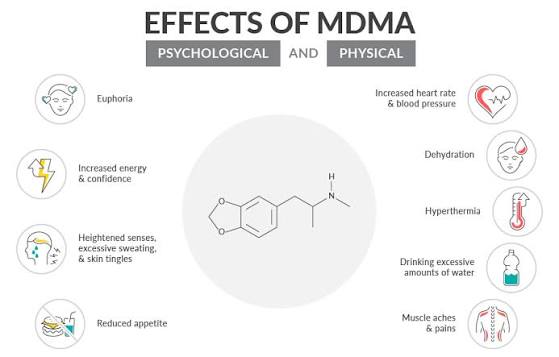
Commonly reported physical effects include increased heart rate, elevated blood pressure, jaw tension, sweating, dilated pupils, reduced appetite, and increased body temperature. Some individuals also experience nausea, dizziness, blurred vision, or muscle stiffness.
Psychological effects may involve heightened sociability, increased emotional sensitivity, greater alertness, and altered perception of time. However, anxiety, confusion, panic reactions, agitation, or emotional distress may also occur, particularly in unfamiliar or stressful environments.
Another important concern involves overheating. High physical activity combined with warm environments can contribute to dangerous increases in body temperature. Medical emergencies associated with hyperthermia remain one of the most serious acute complications described in emergency medicine literature.
To understand better, please review darknet drug risks.
Researchers further note that combining MDMA with alcohol or other psychoactive substances may increase the likelihood of adverse reactions. Because drug interactions vary widely, predicting individual outcomes becomes difficult without medical evaluation.
These findings reinforce the importance of evidence-based education rather than relying on informal online discussions or unverified claims.
Long-Term Health Considerations and Ongoing Research
Researchers continue examining possible long-term mdma effects and risks, although many questions remain under investigation. Existing evidence suggests that repeated high-dose exposure may influence memory, attention, emotional regulation, and certain aspects of cognitive performance. However, study results differ because researchers examine different populations, usage histories, and research methods.
Another challenge involves separating the effects of MDMA itself from other substances that individuals may have consumed over time. Since many recreational users report polysubstance exposure, determining direct cause-and-effect relationships requires careful scientific analysis.
Mental health outcomes also receive considerable attention. Some studies describe temporary mood changes following use, while others investigate possible links between repeated exposure and persistent psychological symptoms. Researchers continue evaluating these findings using improved clinical methods.
For more details, please visit fake drugs online.
In addition, concerns about product purity remain highly relevant. Counterfeit tablets may contain synthetic cathinones, methamphetamine, fentanyl, or other unexpected compounds. These substitutions substantially increase uncertainty regarding toxicity and health outcomes.
To gain broader context, please explore popular darknet drugs.
Overall, current scientific evidence supports continued research while emphasizing that conclusions should be based on peer-reviewed studies rather than isolated personal experiences.
Factors That Influence Individual Risk in MDMA
No two people respond to psychoactive substances in exactly the same way. Age, body composition, underlying medical conditions, mental health history, hydration, environmental temperature, and interactions with prescription medications can all influence physiological responses. Therefore, researchers avoid making universal predictions about outcomes. For a deeper review, please checkout drug effects and health risks
The mdma effects and risks discussed in scientific literature are based on averages observed across many studies rather than guarantees for every individual. Genetics may also affect how quickly the body metabolizes certain compounds, contributing to different experiences and recovery times.
Another important factor is dosage uncertainty. Since illicit products are unregulated, tablets or powders marketed as MDMA may contain varying amounts of the intended substance or entirely different chemicals. This unpredictability increases the likelihood of adverse reactions and complicates emergency medical treatment.
Polysubstance use creates additional concerns. Combining stimulants, depressants, alcohol, or prescription medications may increase cardiovascular strain, alter neurological responses, or mask warning signs that require immediate medical attention.
For more insight, please explore darknet prescription drugs.
Researchers also emphasize the importance of context. High temperatures, crowded venues, prolonged physical activity, and inadequate rest may contribute to dehydration or dangerous overheating. Consequently, understanding environmental factors is just as important as understanding the substance itself.
Ultimately, scientific evidence shows that multiple biological and environmental variables determine health outcomes. Recognizing those variables helps improve public awareness and encourages informed discussions grounded in evidence rather than speculation.
Counterfeit Products and Drug Market Risks
One of the greatest public health concerns involves counterfeit substances sold under the name “MDMA.” Laboratory analyses conducted in multiple countries have identified products containing synthetic cathinones, methamphetamine, fentanyl analogues, caffeine, and other unexpected compounds. As a result, individuals may consume substances with significantly different pharmacological effects than anticipated.
This issue extends beyond composition alone. Tablets that appear identical can vary greatly in strength, even when originating from the same production source. Such inconsistencies increase uncertainty regarding dosage and toxicological risk.
Researchers studying illegal drug markets frequently highlight the role of deceptive branding and inconsistent manufacturing practices. These findings demonstrate why appearance alone cannot confirm a product’s identity or purity.
For more details, please explore darknet drug scams.
Market researchers also examine how counterfeit products circulate through online ecosystems. Fraudulent listings, misleading product descriptions, and false claims about quality contribute to broader consumer safety concerns.
To understand this topic better, please review darknet drug vendors.
Additionally, investigations into marketplace activity help public health agencies identify emerging drug trends and issue timely safety alerts. These efforts improve awareness of newly detected adulterants and changing patterns in illegal drug distribution.
Public Health, Prevention, and Ongoing Medical Research: MDMA Effects and Risks
Public health organizations encourage evidence-based education as the most effective way to reduce preventable harm. Rather than relying on rumors or social media discussions, researchers recommend consulting peer-reviewed studies and guidance from established medical institutions.
Interest in mdma effects and risks has expanded because controlled clinical research continues exploring whether MDMA-assisted psychotherapy may have therapeutic value for carefully selected patients under strict medical supervision. However, these regulated clinical settings differ substantially from recreational use. Medical trials involve standardized dosing, professional screening, continuous monitoring, and ethical oversight.
This distinction is essential. Findings from clinical studies should not be interpreted as evidence that unsupervised use is safe. Researchers consistently emphasize that illegal products, uncertain purity, and uncontrolled environments introduce additional variables that are absent in approved research protocols.
For more insight, please explore darknet research chemicals.
Education also focuses on recognizing warning signs that require immediate medical attention, including severe overheating, confusion, seizures, chest pain, or loss of consciousness. Prompt emergency care can significantly improve outcomes in acute situations.
Continued scientific research helps healthcare professionals better understand neurological effects, mental health outcomes, and long-term recovery patterns. As new evidence becomes available, public health recommendations evolve to reflect the latest medical knowledge.
Authoritative References for Further Research in MDMA Effects and Risks
Reliable information is essential when discussing psychoactive substances, public health, and online drug markets. The following organizations publish research, educational resources, and cybersecurity reporting that can help readers understand these topics from evidence-based perspectives.
National Institute on Drug Abuse (NIDA)
For more insight, please explore National Institute on Drug Abuse resources on MDMA.
NIDA publishes research summaries covering the pharmacology of MDMA, short- and long-term health effects, ongoing clinical studies, and prevention strategies. Its publications are widely referenced by researchers, clinicians, and public health professionals because they summarize peer-reviewed scientific evidence in an accessible format.
Europol
For additional knowledge, please explore Europol’s work on drug trafficking and organized crime.
Europol regularly reports on emerging drug markets, synthetic drug production, trafficking networks, and organized criminal activity across Europe. These reports help explain how illegal drug distribution evolves and why counterfeit substances remain a significant public health concern.
BleepingComputer
For more details, please explore BleepingComputer’s cybersecurity reporting.
Although primarily focused on cybersecurity, BleepingComputer frequently covers online fraud, phishing campaigns, criminal marketplaces, ransomware operations, and digital threats. Its reporting provides valuable context for understanding how cybercrime intersects with illegal online commerce and evolving internet-based risks.
FAQ: MDMA Effects and Risks
What are the main effects of MDMA on the body and mind?
MDMA can influence several systems in the body, including the brain’s serotonin, dopamine, and norepinephrine pathways. Some people report increased emotional openness, energy, and altered sensory experiences. However, physical reactions may include increased heart rate, sweating, muscle tension, and changes in body temperature. The overall experience depends on many factors, including individual health, environment, substance composition, and whether other substances are involved.
Why is understanding MDMA health risks important?
Understanding mdma effects and risks helps people recognize why scientific information is important when discussing psychoactive substances. Risks can vary depending on dosage uncertainty, personal health conditions, and exposure to unknown compounds. Additionally, counterfeit products may contain unexpected substances that create different health concerns. Research-based education allows individuals to better understand potential dangers and make informed decisions about health and safety.
Can MDMA have long-term effects?
Researchers continue studying the possible long-term impact of repeated MDMA exposure. Some studies investigate potential changes involving memory, mood regulation, attention, and emotional processing. However, results can vary because research participants may have different usage histories and may also consume other substances. Scientists continue evaluating long-term outcomes through controlled studies and improved research methods.
Why can products sold as MDMA be dangerous?
Products sold as MDMA may not always contain the substance they claim to contain. Illegal production methods can result in inconsistent strength, contamination, or replacement with other chemicals. Therefore, the health effects of an unknown substance may be unpredictable. Public health researchers emphasize that counterfeit drugs create additional risks beyond the effects associated with MDMA itself.
Is medical research on MDMA the same as recreational use?
No. Clinical research involving MDMA takes place under controlled medical conditions with trained professionals, participant screening, measured doses, and ongoing monitoring. Recreational environments typically lack these safeguards and may involve uncertain substances or additional risk factors. Therefore, findings from medical studies should be interpreted within their specific research context rather than applied broadly to uncontrolled situations.
Conclusion: MDMA Effects and Risks
Scientific research continues to improve understanding of mdma effects and risks by examining how the substance interacts with the brain, body, and wider public health environment. While some controlled studies investigate possible therapeutic applications, researchers also highlight concerns related to unknown purity, unpredictable dosage, and potential health complications.
Furthermore, understanding the difference between clinical research and uncontrolled exposure is essential for accurate public education. Reliable information helps separate evidence from misinformation and supports better awareness of substance-related risks.
The discussion around MDMA involves many factors, including neurological effects, counterfeit substances, individual health differences, and changing patterns within illegal markets. Therefore, continued research remains important for healthcare professionals, policymakers, and the public.
By examining scientific findings and trusted educational resources, readers can develop a clearer understanding of this complex topic. Knowledge, prevention, and evidence-based awareness remain central to reducing avoidable harm.