Onion Link Verification
Onion link verification is a critical part of navigating the Tor network safely and accurately. Because onion sites frequently change, disappear, or get impersonated, users must understand how to evaluate authenticity before trusting any hidden service.
At TorBBB, we focus on structured research that explains how onion links are created, how fake links are distributed, and how researchers and users can identify legitimate services. In addition, we analyze how attackers use phishing techniques to exploit unverified onion URLs.
Furthermore, this category explores verification frameworks that help distinguish real onion services from fraudulent copies. As a result, readers gain practical insight into how trust is established and how risk can be reduced in anonymous environments.
Fake Onion Links and Deception Techniques
Fake onion links are commonly used to mislead users into visiting cloned or malicious versions of legitimate darknet services. These links often mimic real marketplaces or informational sites to steal data or misdirect traffic.
Attackers typically use:
- URL imitation strategies
- cloned interface designs
- misleading distribution channels
Please review fake onion links how they trick researchers
Dark Web Link Verification Methods
Link verification involves analyzing onion URLs to determine whether they are authentic, safe, and consistent with known sources. Researchers often compare multiple verification signals before trusting a link.
These methods include:
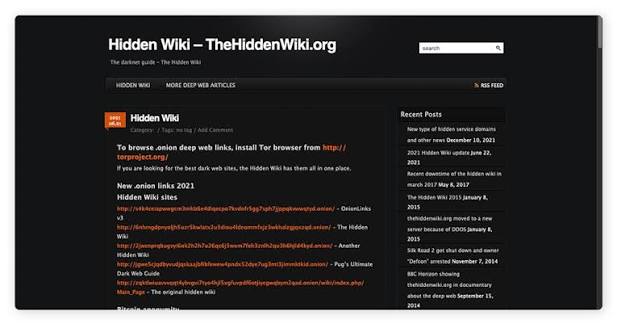
- cross-checking trusted directories
- verifying cryptographic signatures
- analyzing historical link behavior
Please explore dark web link verification research guide
Verified Onion Links and Authenticity Checks
Verified onion links are those that have been validated through multiple trust layers, such as community confirmation, cryptographic validation, or reputable listing sources.
This process helps reduce exposure to:
- phishing sites
- scam marketplaces
- cloned vendor pages
Please visit verified onion links authenticity checks
Why Onion Link Verification Matters
Onion verification is essential because the Tor ecosystem does not have a centralized authority for validating websites. Therefore, users must rely on research-based methods to confirm authenticity.
Without verification, users face increased risks of scams, impersonation, and data exposure.
FAQ Section
What is onion link verification?
Onion link verification is the process of checking whether a Tor hidden service is authentic and not a fake or malicious copy.
Why are fake onion links common?
Fake onion links are common because attackers exploit anonymity to create phishing pages that mimic real darknet services.
How can you verify an onion site?
You can verify onion sites by using trusted sources, comparing multiple listings, and checking for consistent cryptographic or community validation.
Are all onion links unsafe?
No. Many onion services are legitimate, but users must verify them because the network has no central authority for authentication.
Conclusion
Onion link verification is a fundamental part of safe darknet navigation. By understanding how fake links operate and how verification systems work, users can better protect themselves from scams and impersonation attempts. Through structured analysis, this category helps establish safer access patterns across the Tor network.