
Introduction: Percocet Uses and Risks
Prescription medications that combine opioid pain relief with other ingredients require careful understanding because their benefits and risks can exist together. Learning about percocet uses and risks helps readers understand why this medication may be prescribed, how it affects the body, and why responsible medical guidance matters. For more knowledge, please checkout tramadol uses and prescription pain relief, morphine uses and prescription opioid risks and codeine side effects and prescription opioid safety
Percocet is a prescription medicine commonly associated with short-term pain management after injuries, surgeries, or certain medical conditions. However, opioid medications can create serious concerns when they are misused, taken without medical supervision, or combined with unsafe substances.
For more insight, please explore drug awareness overview.
This article examines the medical role of opioid-based pain treatment, potential health concerns, and broader awareness issues connected to prescription drug misuse. The goal is to provide educational information that supports informed decisions and encourages safer discussions with healthcare professionals.
Understanding Percocet and Its Medical Purpose
Percocet is a prescription medication that contains oxycodone, an opioid pain reliever, combined with acetaminophen. Doctors may prescribe it when other pain treatments are not sufficient, particularly after certain procedures or during periods of significant acute pain.
The medication works by interacting with opioid receptors in the nervous system. As a result, it can reduce the perception of pain while also producing effects on mood, alertness, and physical responses. Because of these effects, medical professionals usually consider factors such as dosage, treatment duration, and patient history before prescribing it.
Understanding percocet uses and risks requires looking beyond pain relief alone. While the medicine can support recovery when used correctly, opioid medications also carry concerns related to tolerance, dependence, and accidental misuse. These factors make proper medical supervision essential.
Additionally, prescription pain medication awareness has become increasingly important because counterfeit pills and misleading online sources can create dangerous situations. People searching for information about opioid medications often need reliable education rather than unverified claims.
For additional knowledge, please read prescription drug awareness information related to darknet risks.
Furthermore, opioid-related issues are connected with wider public health discussions, including counterfeit medication awareness, illegal distribution networks, and online drug scams. Understanding these issues helps separate legitimate medical treatment from harmful misuse patterns.
Percocet Uses and Risks: Medical Benefits and Health Concerns
The medical use of Percocet is primarily connected with managing moderate to severe short-term pain. Healthcare providers may consider opioid medication when alternative approaches do not provide enough relief. However, the same properties that make opioids effective for pain control can also create risks.
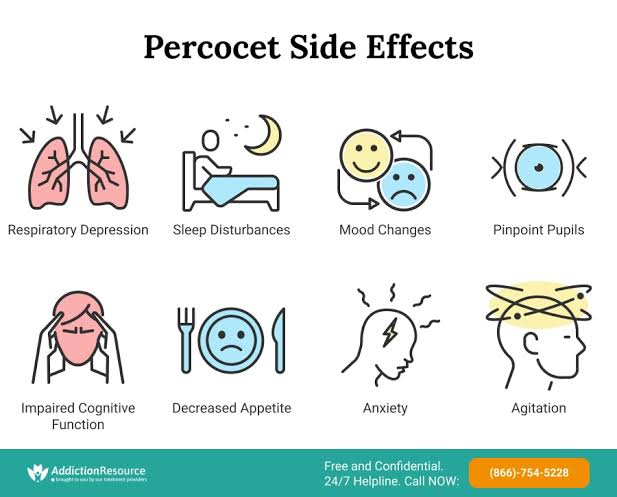
One important aspect of percocet uses and risks is the balance between therapeutic benefits and possible adverse effects. Common side effects may include drowsiness, dizziness, nausea, constipation, and reduced alertness. These effects can influence daily activities, especially tasks requiring concentration.
Over time, repeated opioid exposure can lead to physical dependence. This does not always mean addiction, but it does mean the body may adapt to the medication. Therefore, sudden changes in use should be discussed with a qualified healthcare professional.
Moreover, opioid safety involves understanding interactions with other substances. Combining opioids with alcohol, sedatives, or other medications that slow breathing can increase serious health risks.
To understand better, please review information about opioid-related risks and broader darknet drug concerns.
In recent years, public awareness campaigns have highlighted the importance of identifying fake prescription products. Online marketplaces and illegal sellers sometimes advertise counterfeit medications that may contain unknown ingredients. Consequently, consumers should rely only on legitimate healthcare channels for prescription medication.
The discussion around opioid medications should focus on education, prevention, and responsible healthcare decisions. A balanced view recognizes both the legitimate medical role of these medicines and the importance of reducing preventable harm.
How Opioid Dependence and Misuse Develop
Opioid dependence can develop through several factors, including repeated exposure, individual health conditions, and patterns of use. Some people may experience physical dependence even when following medical instructions. Therefore, monitoring and communication with healthcare providers remain important throughout treatment.
The risks associated with prescription opioids are influenced by dosage, duration, and personal circumstances. For example, someone using a medication for a short recovery period may have a different risk profile compared with someone receiving long-term opioid therapy.
Understanding percocet uses and risks also involves recognizing how misuse can begin. Misuse may include taking medication differently than prescribed, using another person’s prescription, or obtaining pills from unreliable sources. These behaviors can increase the likelihood of serious health complications.
Furthermore, counterfeit medication networks have expanded online, creating additional dangers for people searching for cheaper or easier access to prescription drugs. Fake pills may imitate legitimate products but contain unexpected substances.
To explore more, please read about fake drug risks and how misleading online listings affect consumers.
Additionally, opioid education includes recognizing warning signs of problematic use. Changes in behavior, increased focus on obtaining medication, or using medication despite negative consequences may indicate the need for professional support.
Prevention depends on accurate information. By understanding how dependence develops, individuals can make safer choices and recognize why prescription medications require careful management.
Counterfeit Prescription Drugs and Online Distribution Risks
The growth of online platforms has changed how people access information about medications. Unfortunately, it has also created opportunities for counterfeit drug sellers to mislead consumers. Understanding this environment is important because prescription medication risks are not limited to the medicine itself. The source, authenticity, and handling of a product also influence safety. To know more, please checkout prescription opioid effects and risks
When discussing percocet uses and risks, it is necessary to recognize the difference between legitimate healthcare access and illegal distribution channels. Prescription medications are regulated because their ingredients, strength, and manufacturing standards must be controlled. Unverified sellers cannot provide the same safety guarantees.
Counterfeit pills may appear similar to approved medications but can contain incorrect ingredients, unexpected substances, or inaccurate dosages. These products create serious dangers because consumers may believe they are taking a known prescription medicine.
For more clarity, please see how product listings and misleading advertisements create online safety concerns.
Furthermore, illegal marketplaces often rely on reputation systems, reviews, and false claims to appear trustworthy. However, these methods do not confirm product quality or medical safety. Digital anonymity can make it difficult for buyers to determine who is responsible for a product.
Public health researchers and cybersecurity specialists often study these networks to understand how illegal pharmaceutical sales develop. Their research helps identify patterns involving counterfeit medicines, online fraud, and consumer protection challenges.
Moreover, awareness remains one of the strongest prevention tools. People who understand the risks of unauthorized prescription sources are less likely to rely on unsafe channels.
Recognizing Prescription Medication Safety Concerns
Prescription medication safety involves more than following a dosage instruction. It includes understanding possible interactions, storage practices, treatment duration, and communication with healthcare professionals.
One major concern with opioid medications is respiratory depression, which can occur when the central nervous system becomes excessively slowed. This risk increases when opioids are combined with certain other substances. Therefore, patients should always discuss all medications and supplements with their healthcare provider.
The broader discussion of percocet uses and risks includes recognizing that individual responses can vary. Factors such as age, medical history, existing health conditions, and previous exposure to opioids may influence how someone reacts.
Additionally, safe medication practices involve keeping prescriptions secure and avoiding sharing medication with others. A prescription created for one person may not be appropriate for another individual.
To learn more, please explore general dark web safety practices and digital awareness topics.
The internet has also changed how people search for health information. While online resources can improve awareness, they can also spread misinformation. Reliable medical information should come from healthcare professionals, recognized health organizations, and evidence-based sources.
Furthermore, responsible discussions about prescription drugs should avoid unnecessary stigma. People receiving opioid treatment for legitimate medical reasons should have access to appropriate care and support.
Education helps create a balanced perspective. It allows people to understand why opioid medications exist while also recognizing why careful use is necessary.
The Connection Between Prescription Drugs and Dark Web Research
Researchers, journalists, and cybersecurity professionals often examine illegal online activity to understand emerging threats. This research does not focus only on specific substances. Instead, it examines broader patterns such as counterfeit sales, fraud networks, and digital exploitation.
The study of prescription drug availability online provides insight into how illegal markets operate. Researchers analyze communication methods, advertising tactics, and attempts to create false trust between sellers and buyers.
Understanding percocet uses and risks also requires awareness of how misinformation spreads through online communities. Some websites promote unsafe claims, while others imitate legitimate medical resources to appear credible.
For a deeper dive, please explore research about darknet marketplaces and their structure.
In addition, online drug investigations often examine how vendors use anonymity tools, cryptocurrency payments, and hidden services. These technologies have legitimate uses, but criminals may also attempt to misuse them for illegal activities.
However, research into these topics serves an important educational purpose. Understanding illegal networks can help organizations improve prevention strategies and protect users from scams.
Moreover, awareness of online risks does not mean assuming every digital platform is harmful. Instead, it encourages better judgment, stronger verification habits, and careful evaluation of information sources.
Trusted Sources for Prescription Drug and Online Safety Information
Reliable external organizations provide valuable information about medication safety, cybersecurity threats, and online criminal activity. These references help readers distinguish between evidence-based education and unreliable claims.
For more insight, please explore medication safety information from the U.S. Food and Drug Administration.
For additional details, please review opioid awareness resources from the Centers for Disease Control and Prevention.
To understand online privacy and security issues better, please explore digital safety research from the Electronic Frontier Foundation.
These organizations provide educational resources that support safer decision-making. They also help explain how prescription medication risks, online misinformation, and cybersecurity concerns intersect in modern digital environments.
FAQ: Percocet Uses and Risks
1. What are the main medical uses of Percocet?
Percocet is a prescription medication generally used for managing certain types of moderate to severe short-term pain. It combines an opioid component with acetaminophen, allowing healthcare providers to address pain when other treatments may not provide enough relief.
However, the medication requires careful supervision because opioid-based treatments can affect the nervous system. The discussion around percocet uses and risks includes both its intended medical purpose and the importance of responsible prescribing practices.
Patients should follow professional guidance regarding dosage, treatment duration, and possible interactions. They should also discuss any concerns with a healthcare provider rather than changing medication use independently.
2. What are the common risks associated with Percocet use?
Common concerns related to Percocet may include drowsiness, dizziness, nausea, constipation, and reduced alertness. Because it contains an opioid ingredient, repeated use may also lead to tolerance or physical dependence.
The risks can increase when prescription pain medication is combined with alcohol or other substances that affect breathing and alertness. Therefore, understanding medication interactions is an important part of opioid safety awareness.
Additionally, people should be cautious about information from unreliable online sources. Fake prescription products and misleading advertisements can create additional dangers beyond the medication itself.
3. Can someone become dependent on Percocet when using it as prescribed?
Yes, physical dependence can occur even when a medication is used according to medical instructions. Dependence means the body adapts to the presence of the medication and may experience symptoms if it is stopped suddenly.
This is different from addiction, which involves patterns of compulsive use and continued use despite harmful consequences. Healthcare providers consider these differences when monitoring opioid treatment.
Therefore, patients should maintain open communication with medical professionals. Any changes to treatment plans should be discussed carefully to reduce unnecessary risks.
4. Why are counterfeit prescription pills considered dangerous?
Counterfeit prescription pills are dangerous because they may not contain the expected ingredients or strength. Some fake medications are designed to look similar to legitimate products, making them difficult for consumers to identify.
Online sources that advertise prescription drugs without proper medical oversight can increase exposure to unsafe products. These sellers may use false reviews, misleading descriptions, or fabricated claims to appear trustworthy.
Consequently, medication safety depends heavily on obtaining prescriptions through legitimate healthcare channels and avoiding unverified sources.
5. How can people learn accurate information about opioid medications?
Accurate information should come from healthcare professionals, government health agencies, and established medical resources. These sources provide research-based explanations about prescription medications, possible side effects, and safer treatment approaches.
Online discussions can sometimes help people discover useful questions to ask their doctors. However, internet content should not replace professional medical advice.
Understanding topics such as opioid dependence, counterfeit drugs, prescription safety, and medication awareness allows people to make more informed decisions. Education remains one of the most effective ways to reduce preventable harm.
Conclusion: Percocet Uses and Risks
Prescription opioid medications have an important role in modern healthcare, especially when used under proper medical supervision. However, understanding the full picture requires examining both therapeutic benefits and possible concerns. The topic of percocet uses and risks demonstrates why medication awareness, responsible prescribing, and reliable information sources are essential.
Furthermore, online environments have introduced additional challenges, including counterfeit products, misleading advertisements, and misinformation. Therefore, people should approach prescription medication decisions carefully and rely on qualified healthcare guidance.
By learning about opioid safety, medication interactions, and digital risks, individuals can better understand the responsibilities connected with prescription treatments. The goal is not only to recognize potential dangers but also to support informed health choices.
Ultimately, percocet uses and risks should be viewed through an educational and safety-focused perspective. Accurate knowledge helps communities reduce harm while maintaining awareness of legitimate medical needs.