
Introduction: Morphine Effects and Risks
Morphine remains one of the most recognized opioid medicines used in modern healthcare. It has played an important role in managing severe pain, especially after major injuries, surgeries, and serious medical conditions. However, understanding morphine effects and risks requires looking beyond pain control and considering how the medicine interacts with the body. For more clarity, please review tramadol pain relief and safety information and codeine side effects and related opioid risks
Because morphine affects the central nervous system, it can influence pain perception, breathing, alertness, and mood. Therefore, medical professionals carefully evaluate when and how it should be used. This article examines morphine’s medical role, possible effects, safety considerations, and the importance of informed decision-making.
For more insight, please explore drug awareness overview.
Reliable information is especially important when discussing prescription medicines, as misunderstandings about opioid medications can create unnecessary health risks.
What Is Morphine and How Does It Work?
Morphine is a prescription opioid medication primarily used to manage severe pain. It works by attaching to opioid receptors in the brain and nervous system, which changes how the body interprets pain signals. As a result, patients may experience reduced discomfort and improved ability to cope with painful medical conditions.
The medicine has been used in healthcare for many years because of its strong pain-relieving properties. However, its effectiveness also means it requires careful monitoring. The same biological pathways that reduce pain can also affect breathing, alertness, and reward systems in the brain.
Understanding morphine effects and risks begins with recognizing that the medication is not simply a stronger version of common pain relievers. Instead, it has complex interactions within the nervous system. Factors such as dosage, treatment duration, individual health conditions, and other medications can influence outcomes.
Moreover, healthcare providers consider whether opioid therapy is appropriate compared with other pain management options. Some patients may benefit from alternative approaches, depending on their condition and medical history.
To learn more about related prescription medication topics, please explore prescription drug awareness resources.
Morphine is commonly associated with hospital care, cancer pain management, and palliative treatment. Nevertheless, safe use depends on professional guidance, accurate dosing, and awareness of possible complications.
Morphine Effects and Risks: Understanding Short-Term Responses
The short-term effects of morphine can vary between individuals. Many patients experience significant pain reduction, which can improve comfort and recovery during medical treatment. However, because morphine changes nervous system activity, it may also produce unwanted effects.
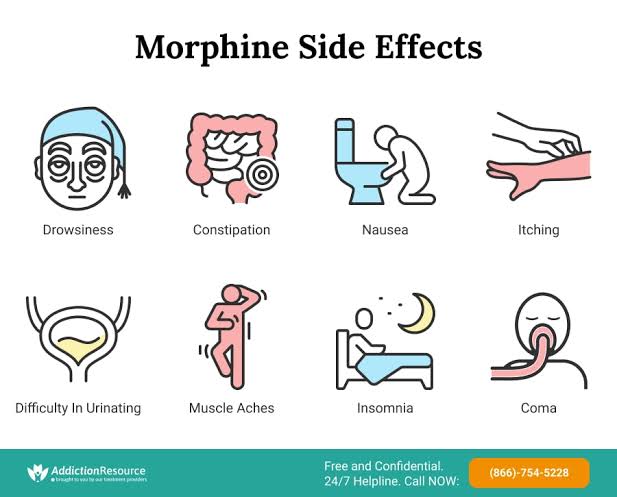
Common short-term responses may include drowsiness, nausea, constipation, dizziness, and slowed reaction time. These effects can influence daily activities and may require additional medical advice. In some cases, stronger reactions can occur, especially when morphine interacts with alcohol, sedatives, or other substances that affect breathing.
Therefore, understanding opioid medication side effects is an important part of responsible healthcare. Patients are often advised to follow prescribed instructions carefully and report unusual symptoms to medical professionals.
The relationship between pain relief and potential complications explains why morphine is usually managed under supervision. Healthcare providers balance the benefits of symptom control with concerns about tolerance, dependence, and safety.
For additional context about substance-related risks, please read more about opioid awareness and medication safety.
Additionally, individual responses can depend on age, metabolism, existing health conditions, and previous exposure to opioid medicines. A person who has never used opioids may respond differently from someone receiving long-term pain treatment.
Medical Uses of Morphine in Modern Healthcare
Morphine continues to have an established role in medical settings because it provides powerful pain management when other treatments may not be sufficient. Doctors may prescribe it for severe acute pain, serious injuries, surgical recovery, and certain chronic medical conditions.
In palliative care, morphine can help improve quality of life by reducing discomfort associated with advanced illnesses. It may also support patients who experience persistent pain that significantly affects daily functioning.
However, medical use requires careful assessment. Healthcare professionals consider the cause of pain, expected treatment duration, and potential risks before recommending opioid therapy. The goal is usually to achieve effective symptom control while minimizing unnecessary exposure.
Understanding prescription opioid treatment involves recognizing that morphine is a medical tool rather than a universal solution for all pain conditions. Different types of pain may respond better to other therapies, including non-opioid medicines, rehabilitation, or supportive treatments.
To explore more about medication-related information, please review prescription opioid comparisons and safety topics.
Furthermore, patients should maintain open communication with healthcare providers. Discussing concerns about side effects, effectiveness, and long-term use helps create safer treatment plans.
Factors That Influence Morphine Effects and Individual Responses
The way a person experiences morphine can depend on several biological and medical factors. Although morphine is designed to provide pain control, responses are not identical for everyone. Age, body composition, overall health, previous opioid exposure, and other medications can all influence how the medicine works.
For example, someone receiving morphine for the first time may experience stronger effects than a person who has previously used opioid medications under medical supervision. Additionally, people with certain respiratory, liver, or kidney conditions may require closer monitoring because these factors can affect how the body processes medicines.
Understanding morphine effects and risks also involves recognizing the difference between expected treatment responses and warning signs. Mild drowsiness or constipation may occur during therapy, while severe breathing problems or extreme confusion require urgent medical attention.
Furthermore, healthcare providers consider the purpose of treatment before recommending morphine. Short-term use after surgery may involve different considerations compared with long-term pain management. Therefore, personalized medical evaluation remains essential.
To understand broader medication safety concerns, please explore information about pharmaceutical awareness and online medicine risks.
Another important factor is the possibility of interactions with other substances. Combining morphine with alcohol, sedatives, or certain medications can increase risks. For this reason, patients should provide complete information about all medicines and supplements they use.
Ultimately, safe morphine use depends on informed communication. Patients who understand how the medicine affects their body can recognize changes earlier and seek appropriate guidance when needed.
Dependence, Tolerance, and Long-Term Safety Considerations
Long-term opioid treatment requires careful attention because the body can adapt to medicines such as morphine. Over time, some individuals may develop tolerance, meaning they require different treatment strategies to maintain the same level of pain control. This does not automatically indicate misuse, as tolerance can occur during legitimate medical treatment.
However, physical dependence can also develop. Dependence means the body has adjusted to the presence of the medicine, and stopping suddenly may lead to withdrawal symptoms. These symptoms can vary in severity and may include discomfort, restlessness, sleep disturbances, and mood changes.
The discussion of morphine effects and risks is incomplete without considering these long-term factors. Healthcare providers often monitor patients regularly to evaluate whether continued opioid therapy remains appropriate.
Moreover, safe medication management may include adjusting treatment plans, exploring alternative therapies, or reducing medication gradually when clinically appropriate. Abrupt changes without professional guidance may create unnecessary complications.
For a broader look at substance-related safety topics, please review information about opioid-related health concerns.
It is also important to distinguish medical dependence from opioid use disorder. These concepts are related but not identical. A person following medical instructions can still develop physical dependence without developing harmful patterns of use.
Therefore, education plays an important role in preventing misunderstandings. Patients, caregivers, and healthcare professionals benefit from accurate information about opioid medicines and responsible treatment approaches.
Recognizing Morphine Safety Concerns and Possible Warning Signs
Morphine can provide important medical benefits, yet it requires awareness of possible safety concerns. Because it affects the central nervous system, excessive exposure may interfere with normal breathing, alertness, and coordination.
Some warning signs require immediate medical attention. These may include unusually slow breathing, extreme difficulty staying awake, severe confusion, or loss of consciousness. Recognizing these symptoms quickly can be critical because opioid-related emergencies can become serious without timely assistance.
Additionally, safety concerns may increase when morphine is combined with other substances. Alcohol and certain sedating medicines can intensify effects on the nervous system. Therefore, patients should always discuss possible interactions with qualified healthcare professionals.
For more clarity about counterfeit medication concerns and product safety, please explore information about fake drugs online.
Another important consideration involves secure medication storage. Keeping prescription medicines away from unauthorized access reduces the chance of accidental exposure or misuse. Proper disposal of unused medication can also help prevent unintended harm.
Furthermore, patients should avoid changing doses without medical advice. Adjusting opioid medication independently may increase risks and reduce treatment effectiveness.
Understanding safety does not mean ignoring the benefits of morphine. Instead, it allows patients and healthcare providers to make more informed decisions. Responsible use combines medical supervision, awareness of side effects, and ongoing communication.
Morphine Research and the Future of Pain Management
Research into pain treatment continues to evolve as scientists study both opioid medicines and alternative approaches. Morphine remains an important reference point in pain medicine because it demonstrates both the effectiveness and complexity of opioid therapy.
Modern healthcare increasingly focuses on balanced pain management. Instead of relying on a single treatment method, providers may combine different approaches depending on the patient’s condition. These may include physical therapy, non-opioid medicines, behavioral support, and other medical interventions.
The future of pain care involves improving effectiveness while reducing avoidable risks. Researchers continue examining ways to understand opioid responses, develop safer medications, and identify which patients may benefit most from specific treatments.
Additionally, public education remains a key part of responsible healthcare. Misunderstanding prescription medicines can create unnecessary fear or unsafe decisions. Clear information helps people recognize both the legitimate medical role of opioids and the importance of careful use.
To explore wider discussions about substance research and health-related topics, please review drug awareness research resources.
The continued study of morphine effects and risks supports better decision-making among patients and healthcare professionals. As medical knowledge advances, treatment approaches may become increasingly personalized.
Ultimately, the goal of modern pain management is not only reducing discomfort but also improving safety, function, and quality of life.
Trusted External References: Morphine Effects and Risks
Including trusted medical references helps readers access accurate information about opioid medicines, prescription safety, and responsible pain management. The following resources come from recognized healthcare organizations and provide evidence-based guidance.
1. National Library of Medicine – Morphine Drug Information
For additional medical knowledge, please review Morphine Drug Information from MedlinePlus, which explains approved medical uses, possible side effects, safety warnings, drug interactions, and important precautions associated with morphine treatment.
This resource provides patient-focused information from the U.S. National Library of Medicine. It helps readers better understand how morphine works, why it may be prescribed, and why medical supervision is important during treatment.
2. Centers for Disease Control and Prevention – Prescription Opioid Safety Guidance
For more insight, please explore CDC information about prescription opioid use and safety, which discusses how opioid medicines may be used for pain management while highlighting important considerations related to dependence, overdose prevention, and communication with healthcare providers.
The CDC resource emphasizes the importance of balancing potential benefits with possible risks. It also explains why patients should discuss treatment goals and concerns with qualified healthcare professionals.
3. National Institute on Drug Abuse – Prescription Opioid Research
To understand opioid research better, please read National Institute on Drug Abuse information about prescription opioids, which provides scientific explanations about opioid effects, dependence, misuse risks, and ongoing research into safer pain treatment approaches.
This resource supports a broader understanding of how opioid medicines affect the brain and body. It also highlights the importance of evidence-based approaches when discussing opioid-related health topics.
FAQ: Morphine Effects and Risks
What is morphine used for in medical treatment?
Morphine is primarily used to manage severe pain that cannot always be controlled effectively with weaker pain medicines. Doctors may prescribe it after major surgery, serious injuries, or during certain forms of palliative care. The medication works by changing how the brain and nervous system process pain signals. However, because it is a strong opioid, treatment decisions usually involve careful evaluation of benefits, risks, and individual health factors.
What are the most common morphine side effects?
Common morphine side effects may include drowsiness, constipation, nausea, dizziness, and reduced alertness. These effects can vary depending on dosage, treatment length, and personal health conditions. Some people may adjust to certain effects over time, while others may require changes to their treatment plan. Patients should report unusual or severe symptoms to healthcare providers for proper assessment.
Can morphine cause dependence?
Yes, morphine can cause physical dependence when the body adapts to regular exposure. Dependence can occur even when the medication is used exactly as prescribed. It is different from addiction, although both topics are often confused. Medical professionals usually manage changes in opioid treatment carefully to reduce withdrawal-related problems.
Why does morphine require medical supervision?
Morphine requires supervision because it affects the central nervous system and can influence breathing, alertness, and coordination. Healthcare providers consider factors such as medical history, other medications, and treatment goals before prescribing it. Monitoring helps reduce potential complications and ensures the medication remains appropriate. Responsible use includes following instructions and maintaining communication with healthcare professionals.
Are there alternatives to morphine for pain management?
Yes, alternatives may exist depending on the type and severity of pain. Some patients may benefit from non-opioid medicines, physical therapy, rehabilitation approaches, or other treatments. The best option depends on the underlying cause of pain and the individual’s health situation. Therefore, treatment decisions should be personalized rather than based on a single medication approach.
Conclusion: Morphine Effects and Risks
Understanding morphine effects and risks requires a balanced view of both its medical benefits and potential challenges. Morphine remains an important medicine for managing severe pain, yet its effects on the nervous system mean that careful use and professional guidance are essential.
Furthermore, safe treatment involves awareness of side effects, possible dependence, medication interactions, and individual health factors. Accurate information helps patients and caregivers recognize why monitoring and communication are important.
As pain management continues to develop, researchers are exploring approaches that improve comfort while reducing unnecessary risks. Therefore, education remains one of the most valuable tools for making informed healthcare decisions.
Ultimately, morphine can provide meaningful relief when used appropriately. Understanding its role, limitations, and safety considerations supports more responsible conversations about opioid treatment.