Hydrocodone is one of the most widely prescribed opioid medications for managing moderate to severe pain. Although it can be effective when used under medical supervision, growing public interest in hydrocodone uses and risks reflects increasing awareness of opioid-related health concerns. Patients, caregivers, and researchers frequently search for information about side effects, dependency potential, overdose risks, and long-term safety considerations.
As opioid-related health issues continue to receive attention worldwide, understanding how hydrocodone works and what precautions are necessary has become increasingly important. This guide examines current knowledge about hydrocodone, including its medical uses, safety concerns, common side effects, misuse risks, and frequently asked questions. The goal is educational awareness rather than medical advice.
What Is Hydrocodone?
Hydrocodone is a prescription opioid analgesic used to treat pain that cannot be adequately managed through non-opioid medications. It works by binding to opioid receptors in the brain and nervous system, reducing the perception of pain.
Hydrocodone is often combined with acetaminophen in prescription products. Healthcare providers may prescribe it following surgery, injury, dental procedures, or certain chronic pain conditions. However, because opioids carry significant risks, treatment decisions are carefully evaluated on an individual basis.
Patients often ask questions such as:
- What is hydrocodone used for?
- How strong is hydrocodone compared to other opioids?
- What are the long-term effects of hydrocodone?
- Can hydrocodone cause dependence?
Understanding these questions is essential when evaluating hydrocodone safety information.
Understanding Hydrocodone Uses and Risks
Medical professionals prescribe hydrocodone primarily for pain management. While many patients experience relief from acute pain symptoms, opioid medications also present notable concerns.
The discussion surrounding hydrocodone uses and risks typically centers on balancing pain relief benefits with potential adverse outcomes. Short-term use may be appropriate in certain medical situations, yet prolonged exposure can increase the likelihood of tolerance, physical dependence, and other complications.
Healthcare organizations increasingly emphasize opioid stewardship, encouraging careful prescribing practices, patient education, and ongoing monitoring. Consequently, understanding both therapeutic benefits and possible harms remains a key part of opioid awareness.
Common Medical Uses of Hydrocodone
Hydrocodone is generally prescribed for situations involving moderate to severe pain. Physicians may recommend it when alternative pain treatments prove insufficient.
Common scenarios include:
- Post-surgical pain recovery
- Injury-related pain management
- Severe dental pain
- Certain chronic pain conditions
- Cancer-related pain in selected cases
The medication is typically intended for short-term use whenever possible. Long-term treatment plans often require additional monitoring and risk assessments.
To learn more about opioid-related treatment discussions, please explore opioid medication safety trends.
Hydrocodone Uses and Risks: How the Drug Affects the Body
Hydrocodone affects the central nervous system by altering pain signals between the body and the brain. This action can reduce discomfort and improve short-term functionality for some patients.
However, the same mechanism can also produce unwanted effects. Because opioid receptors influence breathing, mood, and alertness, users may experience a range of physical and psychological responses.
Common effects may include:
- Pain reduction
- Drowsiness
- Relaxation
- Reduced reaction time
- Mild euphoria
The intensity of these effects varies based on dosage, health status, age, and concurrent medications.
Common Side Effects of Hydrocodone
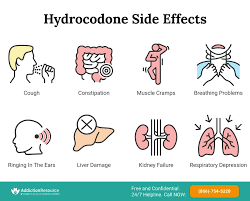
Many patients experience side effects while taking opioid medications. Most are manageable, although some may require medical attention.
Frequently reported side effects include:
- Constipation
- Nausea
- Vomiting
- Dizziness
- Dry mouth
- Fatigue
- Sedation
- Headache
Constipation remains one of the most persistent opioid-related concerns and may continue throughout treatment.
Individuals experiencing severe reactions should seek professional medical guidance immediately.
Hydrocodone Uses and Risks in Long-Term Treatment
Long-term opioid therapy remains one of the most debated topics in pain medicine. Researchers continue examining how extended exposure influences health outcomes.
The conversation around hydrocodone uses and risks often includes concerns such as:
Tolerance Development
Tolerance occurs when the body adapts to repeated opioid exposure. As tolerance increases, patients may perceive reduced effectiveness.
Physical Dependence
Dependence develops when the body adjusts to ongoing opioid use. Stopping suddenly may trigger withdrawal symptoms.
Mental Health Considerations
Researchers have explored links between long-term opioid therapy and mood-related concerns. Although experiences vary widely, monitoring emotional health remains important during treatment.
Reduced Quality of Life
Some patients report difficulties involving concentration, energy levels, or daily functioning after prolonged opioid exposure.
To understand better, please review prescription medication risk awareness.
Dependency and Addiction Concerns
One of the most searched questions about hydrocodone involves addiction potential. While dependence and addiction are different concepts, both deserve attention.
Dependence refers to physiological adaptation. Addiction involves compulsive drug-seeking behavior despite harmful consequences.
Risk factors may include:
- Previous substance use disorders
- Family history of addiction
- Mental health conditions
- Long-term opioid exposure
- High-dose opioid therapy
Not everyone who takes hydrocodone develops addiction. However, awareness and monitoring remain essential.
Hydrocodone Uses and Risks: Overdose Warning Signs
Opioid overdose is a serious medical emergency. Public health agencies continue emphasizing awareness because early intervention can save lives.
Possible warning signs include:
- Extremely slow breathing
- Unresponsiveness
- Pinpoint pupils
- Blue or gray lips
- Severe drowsiness
- Loss of consciousness
Emergency medical services should be contacted immediately if an overdose is suspected.
The growing emphasis on opioid overdose education reflects broader efforts to improve patient safety and reduce preventable harm.
Drug Interactions and Safety Concerns
Hydrocodone may interact with numerous medications and substances. These interactions can increase side effect severity or create dangerous health risks.
Particular caution is necessary with:
- Benzodiazepines
- Sleep medications
- Alcohol
- Muscle relaxants
- Certain antidepressants
- Other opioid medications
Combining multiple central nervous system depressants can significantly increase overdose risk.
For additional knowledge, please read about broader medication misuse concerns.
Counterfeit Hydrocodone and Public Safety Concerns
Another growing concern involves counterfeit medications. Illicit pills may resemble legitimate pharmaceutical products while containing unknown substances.
Public health agencies frequently warn about counterfeit opioids because they may contain synthetic compounds with significantly higher potency.
Potential dangers include:
- Unknown ingredients
- Inconsistent potency
- Contamination
- Increased overdose risk
- Lack of quality control
To get more context, please explore counterfeit medication awareness.
Comparing Hydrocodone With Other Prescription Opioids
Hydrocodone belongs to a larger class of opioid medications. Patients often compare it with alternatives prescribed for pain management.
Examples include:
- Codeine
- Morphine
- Oxycodone
- Tramadol
- Vicodin products containing hydrocodone combinations
Although these medications share similarities, potency, formulation, duration, and risk profiles may differ.
For a closer look, please check common codeine-related concerns.
To dive deeper, please explore tramadol safety considerations.
Current Trends and Public Interest
Online searches involving opioid medications continue evolving. Questions increasingly focus on safety, addiction prevention, prescription regulations, and responsible medical use.
Recent public interest areas include:
- Opioid overdose statistics
- Long-term opioid risks
- Prescription monitoring programs
- Pain management alternatives
- Dependency prevention strategies
- Medication safety education
This shift suggests users increasingly prioritize health awareness over medication information alone.
Frequently Asked Questions About Hydrocodone Uses and Risks
Is hydrocodone an opioid?
Yes. Hydrocodone is an opioid pain medication used for moderate to severe pain management.
Can hydrocodone cause addiction?
It can. Addiction risk varies between individuals and depends on several factors including duration of use, dosage, and personal history.
What are the most common hydrocodone side effects?
Constipation, nausea, dizziness, fatigue, and drowsiness are among the most frequently reported side effects.
Is hydrocodone stronger than codeine?
Hydrocodone is generally considered more potent than codeine, although clinical outcomes vary depending on dosage and patient factors.
Why do people search for hydrocodone safety information?
Many users seek information regarding dependence, overdose prevention, medication interactions, and long-term health effects.
Can counterfeit hydrocodone be dangerous?
Yes. Counterfeit pills may contain unknown ingredients or highly potent substances that increase health risks.
Further Reading on Hydrocodone Uses and Risks
Organizations and research groups continue publishing educational resources about medication safety, online risks, and public health awareness.
For digital privacy and safety education:
URL: https://www.eff.org/
For information about online anonymity technologies and internet privacy:
URL: https://www.torproject.org/
For cybersecurity investigations and reporting involving online threats:
URL: https://www.bleepingcomputer.com/
These resources provide additional context on technology, privacy, and security topics frequently discussed alongside online drug-related risks.
Final Thoughts on Hydrocodone Uses and Risks
Understanding hydrocodone uses and risks is essential for anyone researching opioid medications, pain management, or prescription drug safety. While hydrocodone can provide effective pain relief in appropriate medical situations, it also carries important considerations involving side effects, dependency potential, overdose risks, and medication interactions.
As public awareness grows, educational resources play a critical role in helping individuals make informed decisions. By focusing on evidence-based information, safety monitoring, and responsible healthcare guidance, patients and caregivers can better understand both the benefits and challenges associated with hydrocodone use.