Diazepam is one of the most widely recognized prescription medications in the benzodiazepine family. Doctors commonly prescribe it to help manage anxiety disorders, muscle spasms, seizure conditions, and symptoms associated with alcohol withdrawal. While the medication has a long history of medical use, understanding diazepam effects and safety remains essential for patients, caregivers, and anyone researching prescription drug risks.
Interest in benzodiazepines continues to grow as people search for information about anxiety treatment options, medication side effects, dependency concerns, and long-term health outcomes. Although diazepam can provide meaningful therapeutic benefits when used appropriately, misuse and prolonged use may create significant health challenges.
This guide examines how diazepam works, its approved medical uses, potential side effects, safety considerations, dependency risks, and common questions people ask before taking the medication.
What Is Diazepam?
Diazepam is a prescription medication classified as a benzodiazepine. It works by increasing the activity of gamma-aminobutyric acid (GABA), a neurotransmitter that helps calm excessive brain activity.
Healthcare providers may prescribe diazepam for:
- Generalized anxiety disorder
- Panic-related symptoms
- Muscle spasms
- Seizure disorders
- Alcohol withdrawal symptoms
- Certain medical procedures requiring sedation
The medication is sold under several brand names, including Valium, although generic versions are widely available.
Because it affects the central nervous system, diazepam can produce calming, relaxing, and sedative effects that help reduce symptoms associated with anxiety and neurological conditions.
Understanding Diazepam Effects and Safety in Medical Treatment
One reason healthcare professionals continue prescribing diazepam is its effectiveness in treating several medical conditions. The medication often begins working relatively quickly, making it useful for acute symptom management.
Common therapeutic effects may include:
- Reduced anxiety
- Muscle relaxation
- Improved sleep quality
- Decreased seizure activity
- Reduced agitation
However, treatment plans typically emphasize short-term use whenever possible. Extended exposure can increase the likelihood of tolerance and dependence.
To understand better, please review anxiety medication comparisons and safety considerations.
Medical experts generally recommend following dosage instructions carefully and avoiding self-adjustments without professional guidance.
How Diazepam Affects the Brain and Nervous System
Diazepam influences receptors throughout the central nervous system. By enhancing GABA activity, the medication slows certain brain signals associated with stress, fear, tension, and overstimulation.
This mechanism explains why many patients experience a calming sensation shortly after taking prescribed doses.
Researchers studying benzodiazepine pharmacology have identified several neurological effects:
- Reduced neuronal excitability
- Increased relaxation
- Lower anxiety levels
- Sedative properties
- Muscle-relaxant effects
While these outcomes may be beneficial in clinical settings, excessive suppression of nervous system activity can become dangerous when medications are misused or combined with other substances.
Short-Term Diazepam Effects and Safety Considerations
Most people searching for diazepam effects and safety want to understand what happens shortly after taking the medication.
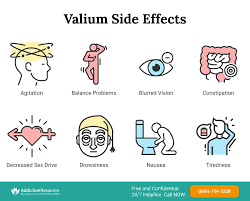
Common short-term side effects include:
- Drowsiness
- Fatigue
- Dizziness
- Reduced coordination
- Slowed reaction times
- Mild confusion
These effects often become more noticeable in older adults or individuals taking higher doses.
Activities requiring concentration may become more difficult. Driving, operating machinery, or performing safety-sensitive tasks should be approached carefully when beginning treatment.
Many healthcare providers recommend monitoring symptoms during the first days of use to assess how the medication affects daily functioning.
Long-Term Diazepam Effects and Safety Risks
Long-term benzodiazepine use remains an active area of medical research. While some patients require extended treatment under close supervision, prolonged use may introduce additional concerns.
Potential long-term risks include:
Tolerance Development
Tolerance occurs when the body becomes accustomed to the medication. As a result, the original dose may feel less effective over time.
Physical Dependence
Dependence can develop after prolonged exposure. The body may begin relying on the medication to maintain normal functioning.
Withdrawal Symptoms
Abrupt discontinuation can trigger symptoms such as:
- Anxiety rebound
- Insomnia
- Irritability
- Tremors
- Sweating
- Seizures in severe cases
Because of these risks, healthcare professionals often recommend gradual tapering schedules rather than sudden discontinuation.
For additional knowledge, please read about prescription medication dependency concerns.
Who Faces Higher Risk From Diazepam Use?
Certain groups may face elevated risks when taking diazepam.
These include:
- Older adults
- Individuals with respiratory conditions
- People with liver disease
- Patients with substance use disorders
- Individuals taking multiple sedating medications
Age-related changes can affect how the body metabolizes benzodiazepines. Consequently, older adults may experience increased sedation, falls, or cognitive impairment.
Healthcare providers typically evaluate individual risk factors before prescribing diazepam.
Diazepam and Drug Interactions
One of the most important aspects of diazepam effects and safety involves understanding medication interactions.
Combining diazepam with other central nervous system depressants can increase risks significantly.
Examples include:
- Alcohol
- Opioid medications
- Sleep aids
- Certain antihistamines
- Some antidepressants
These combinations may increase:
- Excessive sedation
- Respiratory depression
- Confusion
- Accident risk
For a closer look, please check opioid-related medication safety concerns.
Patients should always provide healthcare providers with a complete list of medications and supplements before beginning treatment.
Diazepam Misuse and Public Health Concerns
Benzodiazepine misuse remains a significant public health concern worldwide.
Misuse may involve:
- Taking higher doses than prescribed
- Using medication without a prescription
- Combining drugs for enhanced effects
- Using benzodiazepines recreationally
Research has shown that misuse increases the likelihood of overdose, especially when combined with opioids or alcohol.
To explore further, please check discussions surrounding broader drug-related safety risks.
Public awareness campaigns increasingly focus on educating individuals about responsible medication use and recognizing signs of dependency.
Warning Signs of Diazepam Dependence
Identifying dependence early can help prevent more serious complications.
Potential warning signs include:
- Cravings for medication
- Needing larger doses
- Difficulty stopping use
- Increased anxiety between doses
- Withdrawal symptoms after missed doses
People experiencing these symptoms should consult healthcare professionals rather than attempting abrupt discontinuation.
Early intervention often leads to better outcomes and safer treatment adjustments.
Diazepam Effects and Safety Compared With Other Benzodiazepines
Many people compare diazepam with other benzodiazepines such as alprazolam, lorazepam, or clonazepam.
Although each medication belongs to the same class, differences exist regarding:
- Duration of action
- Onset speed
- Metabolism
- Approved uses
- Risk profiles
Diazepam generally has a longer half-life than several alternatives. This means it remains active in the body for a longer period.
For more insight, please explore benzodiazepine safety discussions.
URL:
Healthcare providers consider these factors when selecting the most appropriate medication for individual patients.
Public Trends and Growing Interest in Diazepam Information
Search trends show growing interest in questions related to:
- Is diazepam addictive?
- How long does diazepam stay in your system?
- What are common diazepam side effects?
- Is diazepam safe for anxiety?
- Can diazepam cause memory problems?
This increased interest reflects broader public awareness regarding prescription medication safety.
People increasingly seek evidence-based information rather than relying solely on anecdotal experiences shared online.
For more context, please explore broader discussions surrounding commonly searched drug-related topics.
Reliable information helps individuals make informed healthcare decisions while avoiding misinformation.
Frequently Asked Questions
What is diazepam used for?
Diazepam is commonly prescribed for anxiety disorders, muscle spasms, seizure management, alcohol withdrawal symptoms, and procedural sedation.
Can diazepam cause dependence?
Yes. Long-term use may result in physical dependence, particularly when taken regularly over extended periods.
Is diazepam safe when prescribed by a doctor?
For many patients, diazepam can be safe when used exactly as prescribed and monitored appropriately by healthcare professionals.
What are the most common side effects?
Common side effects include drowsiness, fatigue, dizziness, impaired coordination, and slowed reaction times.
Can diazepam be taken with alcohol?
Combining diazepam and alcohol is generally considered unsafe because both substances depress central nervous system activity.
How long does diazepam stay in the body?
Diazepam has a relatively long half-life and may remain detectable for days after use, depending on individual metabolism and dosage.
Authoritative Resources for Further Research
Organizations and medical institutions provide valuable information regarding medication safety, prescription drug awareness, and online security.
The Electronic Frontier Foundation offers educational resources focused on digital literacy and online safety.
URL: https://www.eff.org/
The Tor Project publishes information about privacy technologies and internet security awareness.
URL: https://www.torproject.org/
BleepingComputer regularly reports on cybersecurity developments, online threats, and emerging technology risks.
URL: https://www.bleepingcomputer.com/
Final Thoughts On Diazepam Effects and Safety
Understanding diazepam effects and safety is essential for anyone researching anxiety medications, benzodiazepine therapy, or prescription drug risks. While diazepam can provide meaningful benefits in appropriate medical settings, its effects on the brain and nervous system require careful monitoring. Patients who follow professional guidance, understand potential side effects, and remain aware of dependency risks are better positioned to use the medication safely and responsibly.