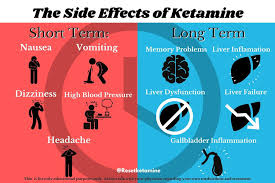
Understanding ketamine effects and risks has become increasingly important as public interest in ketamine grows. Originally developed as an anesthetic, ketamine is now used in hospitals, emergency medicine, veterinary care, and, in some regions, supervised mental health treatment. At the same time, recreational use has raised concerns among healthcare professionals due to potential safety issues and long-term health effects.
People frequently search questions such as “What does ketamine do?”, “Is ketamine addictive?”, “How safe is ketamine therapy?”, and “What are the risks of recreational ketamine use?” This guide explores current research, medical applications, side effects, and safety concerns while providing an educational overview for readers seeking reliable information.
What Is Ketamine?
Ketamine is a dissociative anesthetic first developed in the 1960s. Medical professionals have used it for decades because it can provide anesthesia, sedation, and pain relief while maintaining breathing and cardiovascular stability in many situations.
Unlike traditional opioids, ketamine works primarily by affecting NMDA receptors in the brain. This mechanism has attracted significant research interest, particularly regarding treatment-resistant depression and chronic pain management.
Although ketamine has legitimate medical uses, misuse remains a concern. Understanding both therapeutic benefits and potential dangers provides a balanced perspective.
Understanding Ketamine Effects and Risks
The discussion around ketamine effects and risks often centers on the difference between supervised medical use and unsupervised recreational consumption.
In clinical settings, ketamine is administered under strict medical supervision. Healthcare providers monitor dosage, patient response, and potential complications. Recreational use lacks these safeguards and may involve unknown purity levels, unsafe environments, or dangerous drug combinations.
The effects of ketamine can vary based on:
- Dosage
- Frequency of use
- Individual health conditions
- Age
- Drug interactions
- Route of administration
Because responses differ significantly among individuals, no two experiences are exactly alike.
Medical Uses of Ketamine
Ketamine remains an important medication in healthcare.
Common medical applications include:
Surgical Anesthesia
Ketamine has long been used during surgical procedures because it produces anesthesia while often preserving respiratory function better than some alternatives.
Emergency Medicine
Emergency departments frequently use ketamine for sedation and pain management in carefully controlled settings.
Mental Health Research
One of the fastest-growing research areas involves ketamine-assisted treatment for severe depression and treatment-resistant mental health conditions.
Researchers continue investigating:
- Major depressive disorder
- Suicidal ideation
- Chronic pain disorders
- Post-traumatic stress disorder
These applications remain subject to evolving clinical guidelines and ongoing scientific study.
Short-Term Ketamine Effects
Many people researching ketamine want to understand its immediate effects.
Short-term effects may include:
- Altered perception
- Feelings of detachment
- Distorted sense of time
- Dizziness
- Drowsiness
- Confusion
- Increased blood pressure
- Nausea
Some users describe dissociation, where they feel disconnected from their surroundings or their own body. The intensity of these experiences varies considerably.
In medical environments, professionals monitor patients closely to reduce potential complications.
Ketamine Effects and Risks on Cognitive Function
One important aspect of ketamine effects and risks involves cognition and mental performance.
Temporary effects may include:
- Reduced concentration
- Memory impairment
- Slower reaction times
- Difficulty processing information
These effects are generally short-lived in medical settings. However, repeated misuse may contribute to more persistent cognitive concerns.
Researchers continue examining how long-term exposure affects memory, learning, and executive functioning.
Because ketamine can impair judgment, activities such as driving or operating machinery should be avoided after use unless cleared by a healthcare professional.
Recreational Ketamine Use and Public Health Concerns
Recreational ketamine use presents several concerns that differ from supervised medical administration.
Potential risks include:
- Unknown purity levels
- Contamination
- Drug interactions
- Unpredictable dosage
- Unsafe environments
Public health experts often emphasize that substances obtained outside regulated medical channels may carry additional risks.
To understand broader discussions surrounding drug-related safety concerns, please explore drug safety trends.
Long-Term Ketamine Effects and Risks
Research suggests that repeated heavy ketamine use may increase the likelihood of long-term health complications.
Potential concerns include:
Memory Difficulties
Some studies have linked chronic use with impaired memory and learning performance.
Urinary Tract Problems
Researchers have documented ketamine-associated bladder complications among frequent users. Symptoms may include pain, urgency, and urinary discomfort.
Psychological Effects
Persistent use may contribute to mood changes, anxiety, or emotional difficulties in some individuals.
Tolerance Development
Repeated exposure can lead to increased tolerance, where higher amounts become necessary to achieve similar effects.
These concerns continue to be investigated as additional long-term research emerges.
Ketamine and Dependency Potential
Although ketamine differs from opioids, dependence remains possible.
Warning signs may include:
- Frequent cravings
- Escalating use
- Difficulty stopping
- Continued use despite negative consequences
- Prioritizing use over responsibilities
Dependency risk appears higher among individuals who use ketamine frequently or in large amounts.
Healthcare experts generally recommend seeking professional support when problematic patterns emerge.
Ketamine Effects and Risks Compared With Other Substances
Comparing substances helps readers understand differences in effects and safety profiles.
Unlike traditional opioids, ketamine primarily produces dissociative effects. However, both categories can present significant risks when misused.
To understand opioid-related safety concerns, please review prescription opioid education.
For additional insight into medication safety, please explore codeine-related health concerns.
While ketamine differs from psychedelic substances, researchers often compare public interest across several psychoactive compounds.
To explore more, please read psychedelic research developments.
Drug Interactions and Safety Concerns
Combining ketamine with other substances may increase risks.
Particular concerns involve:
- Alcohol
- Benzodiazepines
- Opioids
- Sedatives
- Certain antidepressants
Drug interactions may increase sedation, impair judgment, or create unpredictable effects.
Individuals considering any treatment involving ketamine should disclose all medications and supplements to their healthcare provider.
For more insights, please explore anxiety medication safety considerations.
Ketamine Research and Emerging Trends
Interest in ketamine has expanded significantly during the past decade.
Current research focuses on:
- Mental health treatment
- Chronic pain management
- Neurobiology
- Treatment-resistant depression
- Patient safety monitoring
Although results have been promising in certain areas, experts continue emphasizing the importance of controlled clinical settings and evidence-based practice.
Future research will likely provide greater clarity regarding long-term outcomes and optimal treatment protocols.
Who Faces Higher Risks?
Certain populations may be more vulnerable to complications.
Higher-risk groups include:
Individuals With Mental Health Conditions
Underlying psychiatric conditions may influence how ketamine affects mood and perception.
People With Substance Use Disorders
A history of substance misuse may increase dependency risks.
Individuals With Cardiovascular Conditions
Ketamine can elevate blood pressure and heart rate, which may create concerns for some patients.
Young Adults
Developing brains may respond differently to psychoactive substances, making education and prevention especially important.
Frequently Asked Questions
What are the most common ketamine effects?
Common effects include dissociation, altered perception, dizziness, confusion, drowsiness, and changes in sensory awareness.
Is ketamine addictive?
Ketamine can lead to psychological dependence, particularly when used frequently or outside medical supervision.
Does ketamine have medical benefits?
Yes. Ketamine is used in anesthesia, emergency medicine, and certain supervised mental health treatments.
Can ketamine affect memory?
Research suggests repeated use may contribute to memory and cognitive difficulties, particularly among heavy users.
What are the biggest risks of recreational ketamine use?
Key concerns include impaired judgment, accidents, contamination, dependency, and potential long-term bladder complications.
Is ketamine safer when prescribed by a doctor?
Medical supervision generally reduces risks through controlled dosing, patient screening, and professional monitoring.
Authority References On Ketamine Effects and Risks
Organizations and researchers continue to publish evidence-based information related to substance awareness, online safety, and public health education.
For digital rights and privacy education, please visit:
URL: https://www.eff.org/
For information about privacy technologies and internet research, please see:
URL: https://www.torproject.org/
For cybersecurity investigations and reporting on emerging online threats, please review:
URL: https://www.bleepingcomputer.com/
Conclusion On Ketamine Effects and Risks
Understanding ketamine effects and risks requires balancing legitimate medical applications with awareness of potential health concerns. Ketamine continues to play an important role in modern medicine while also attracting significant research interest in mental health treatment. However, recreational misuse, repeated exposure, and unsafe combinations may increase the likelihood of complications.
As scientific knowledge continues to evolve, education remains one of the most effective tools for promoting informed decision-making. Readers who understand the benefits, limitations, and safety considerations surrounding ketamine are better equipped to evaluate information critically and prioritize health and wellbeing.