Dark Web Search Engines
Dark web search engines play a critical role in how onion sites are discovered, indexed, and accessed across the Tor network. Unlike traditional search engines, these platforms operate under strict limitations, making indexing inconsistent and highly dependent on crawler accessibility, uptime, and hidden service visibility.
At TorBBB, we provide educational research and structured analysis of how dark web search engines function, how they index onion services, and why visibility varies across different platforms. This includes systems such as Torch, Haystak, and Ahmia, which each use different methods to collect and display onion-based content.
In addition, we examine how search engine architecture affects darknet discovery, what limitations exist in crawling onion services, and how indexing accuracy impacts user access to information. As a result, readers gain a clearer understanding of how the darknet ecosystem organizes and exposes hidden services.
How Dark Web Search Engines Work
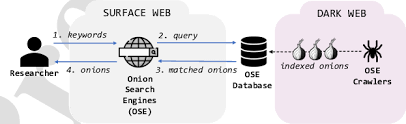
Dark web search engines rely on specialized crawlers that attempt to access onion services through the Tor network. However, due to the unstable nature of onion sites, indexing is often incomplete or outdated.
Unlike traditional search engines, these systems do not guarantee real-time accuracy. Instead, they store snapshots of accessible pages when crawlers successfully reach them.
Key characteristics include:
- Limited crawling depth
- Frequent dead or offline links
- Restricted indexing scope
- Dependency on public onion accessibility
This makes search engine reliability a major topic of research within the darknet ecosystem.
Major Dark Web Search Engines
Several platforms dominate onion search indexing research:
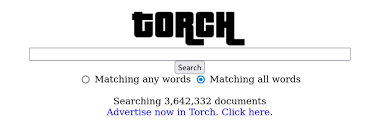
Torch Search Engine
Torch is one of the oldest dark web search engines. It indexes a large number of onion sites but lacks filtering precision and quality control.
Torch dark web search engine analysis
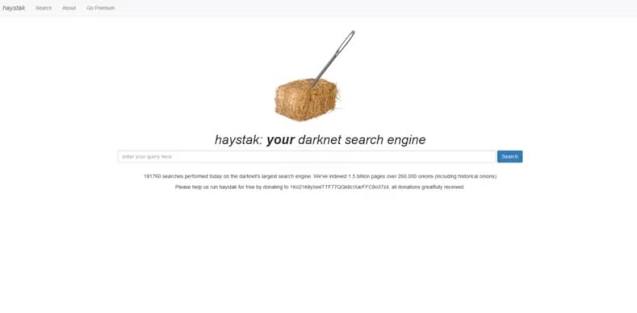
Haystak Search Engine
Haystak focuses on improved indexing accuracy and categorization of onion sites. It is widely referenced in darknet research due to its structured approach.
Haystak dark web search engine overview
Ahmia Search Engine
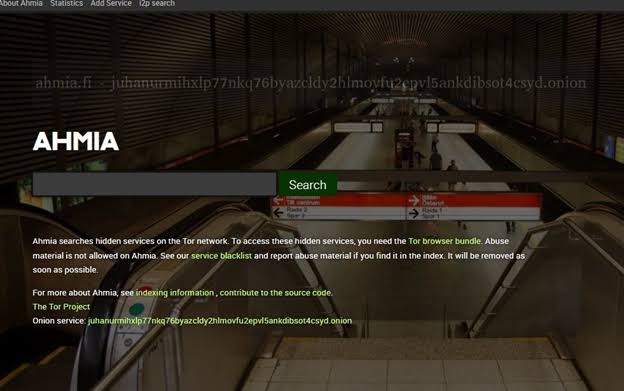
Ahmia is known for filtering malicious or harmful content and focusing on safer onion listings where possible.
https://torbbb.com/ahmia-dark-web-search/Ahmia onion search engine research
Onion Indexing and Discovery Limitations
Onion search engines face unique challenges due to the nature of the Tor network. Websites frequently go offline, change addresses, or restrict crawler access.
As a result:
- Indexes are often outdated
- Many results lead to inactive pages
- Coverage is incomplete across the darknet
This creates gaps in visibility and makes research-based search engines more valuable than real-time discovery tools.
Why Search Engine Structure Matters
The structure of a dark web search engine determines how information is discovered and ranked. Some engines prioritize frequency of access, while others rely on manual categorization or user-submitted indexes.
This affects:
- Vendor visibility
- Market discovery
- Information accessibility
- Research accuracy
Understanding these systems is essential for evaluating how darknet ecosystems function.
FAQ :
What is a dark web search engine?
A dark web search engine is a tool designed to index onion websites on the Tor network. Unlike normal search engines, it has limited access and often provides incomplete results due to network restrictions.
Why are dark web search engines unreliable?
They are unreliable because onion sites frequently go offline or change addresses. Crawlers also face access limitations, which results in incomplete indexing.
Which is the most commonly referenced dark web search engine?
Torch, Haystak, and Ahmia are among the most commonly referenced engines in darknet research discussions.
Can dark web search engines index everything?
No. Due to the structure of the Tor network, no search engine can fully index all onion services.
Conclusion
Dark web search engines remain an essential part of understanding how onion services are discovered and accessed. While they provide valuable entry points into the darknet ecosystem, their limitations highlight the complexity of indexing hidden services. Through continued research into platforms like Torch, Haystak, and Ahmia, we gain deeper insight into how visibility and access function within the Tor network.