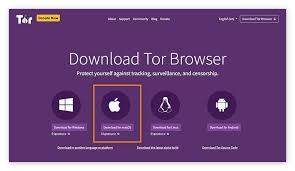
The dark web doesn’t work like the internet most people know. It runs on hidden networks, relies on anonymity tools, and changes constantly. Because of that, curiosity often meets confusion—and sometimes risk. This guide explores safe darkweb browsing tips from an investigative and educational perspective, explaining how people research hidden networks without exposing themselves to unnecessary danger.
Rather than focusing on sensationalism, this article looks at how journalists, cybersecurity teams, and researchers approach dark web exploration responsibly. Along the way, you’ll learn what the dark web actually is, why safety matters, and how informed users reduce their exposure while studying hidden online spaces. To explore more visit Ahmia onion indexing
Understanding the Dark Web Before You Explore
Before anyone searches the dark web, it helps to understand what it really is—and what it isn’t.
The dark web refers to websites hosted on anonymity networks like Tor. These sites do not appear on Google or Bing. Instead, they use special addresses and require specific software to access. Because of that structure, the dark web supports:
- Privacy-focused communication
- Whistleblowing platforms
- Research archives
- Anonymous forums
- Unfortunately, also scams and criminal services
However, the dark web itself is not illegal. What matters is how it is used.
Many people confuse the dark web with underground markets alone. In reality, it also includes political discussion boards, secure email services, and investigative journalism tools.
For example, discussions around active darkweb markets often dominate public attention, yet they represent only one segment of a much broader ecosystem.
Understanding this landscape first reduces both unrealistic expectations and unnecessary fear.
Why Safe Darkweb Browsing Tips matters
Searching the dark web exposes users to more than hidden websites. It exposes them to:
- Malware-infected pages
- Phishing operations
- Surveillance attempts
- Psychological manipulation
- Fraud ecosystems
Unlike the surface web, there is no effective moderation layer. As a result, responsibility shifts almost entirely to the user.
This is why cybersecurity professionals treat dark web browsing as an operational activity, not casual exploration. They plan for technical safety, behavioral awareness, and information hygiene.
Moreover, many scams rely less on technology and more on human psychology. Research into the psychology of darkweb scams shows that curiosity and overconfidence are often exploited more than software vulnerabilities.
Because of that, true safety begins with mindset, not tools.
Safe Darkweb Browsing Tips for Beginners and Researchers
Safe Darkweb Browsing Tips: Start With Environment Isolation
One of the first protective principles involves separation.
Professionals rarely browse hidden networks from personal systems. Instead, they isolate activity using:
- Dedicated devices
- Virtual machines
- Non-persistent operating systems
- Separate network environments
This separation limits the impact of malicious pages and prevents accidental data leakage.
Although tools matter, behavior matters more. Safe darkweb browsing tips always emphasize minimizing what you expose, not maximizing what you can access.
Safe Darkweb Browsing Tips: Understand Trust Does Not Exist
On the dark web, trust is not assumed. It is tested—and often manipulated.
Many operations rely on impersonation, including fake marketplaces, cloned forums, and copied vendor profiles. Studies of darkweb vendor trust show that reputation systems themselves are frequently gamed.
For this reason, experienced researchers approach every service as temporary and every identity as potentially false.
Safe Darkweb Browsing Tips: Recognize Market and Forum Risk Zones
Not all dark web spaces carry equal risk.
Generally, risk increases when platforms involve:
- Financial transactions
- Credential exchanges
- Downloadable files
- Direct messaging with unknown operators
Historical patterns around darknet market shutdown cycles also reveal how rapidly environments collapse and re-form.
Understanding these shifts helps users avoid outdated directories and dangerous mirrors.
The Technical Reality of Dark Web Searching
Unlike Google, dark web search engines operate with limited reach. They rely on:
- Manual submissions
- Partial crawlers
- Community-maintained directories
- Snapshot indexing
As a result, no search engine offers full visibility. Many pages disappear before they are ever indexed.
From an investigative standpoint, researchers treat search engines as signal tools, not discovery guarantees. They use them to observe trends, migrations, and language patterns rather than to browse casually.
Meanwhile, law-enforcement agencies across Europe and North America actively monitor dark web activity related to fraud and cybercrime. Europol regularly documents how hidden services evolve after takedowns.
Behavioral Safety: The Overlooked Layer
Most safety discussions focus on software. However, behavioral patterns create far greater exposure.
High-risk behaviors include:
- Engaging in private conversations
- Clicking shortened or obfuscated links
- Downloading unknown files
- Reusing identities across platforms
- Attempting verification through strangers
Investigations into darkweb hit-list operator hoaxes demonstrate how quickly psychological manipulation spreads when users assume anonymity equals safety.
Therefore, safe exploration depends more on restraint than on curiosity.
Legal and Ethical Boundaries
Searching the dark web is not illegal in most countries. However, interacting with illegal content is.
This distinction matters. Ethical researchers follow strict boundaries:
- They observe rather than participate.
- They document rather than distribute.
- They avoid engagement that supports harm.
Organizations like the Electronic Frontier Foundation emphasize that privacy tools are designed to protect rights—not to shield criminal behavior.
Similarly, the Tor Project itself publishes extensive guidance on responsible network use.
Understanding this context protects both users and the broader network.
Common Myths That Increase Risk
Several myths continue to create unsafe behavior.
First, anonymity does not equal invisibility. Network tools reduce tracking, but mistakes reveal identities quickly.
Second, dark web services are not inherently encrypted end-to-end. Many leaks occur through misconfigured platforms rather than through network compromise.
Third, directories and wikis are not curated. They are volatile collections of unverified links.
Finally, criminal services do not operate like businesses. There are no customer protections, and dispute systems often function as scams themselves.
These realities reinforce why education remains the most effective security layer.
How Researchers Actually Study the Dark Web
Academic teams, journalists, and cybersecurity firms rarely browse aimlessly.
Instead, they:
- Track forum migrations
- Monitor language patterns
- Analyze shutdown aftereffects
- Study scam typologies
- Observe infrastructure reuse
Long-term monitoring of darknet forums vs marketplaces reveals how communities fragment after law-enforcement actions.
This methodical approach reduces exposure while increasing insight.
Frequently Asked Questions
Is searching the dark web illegal?
In most regions, simply accessing Tor is legal. However, viewing or engaging with illegal content is not. Laws vary by country.
Can dark web sites infect devices?
Yes. Malicious scripts, compromised mirrors, and harmful downloads remain common risks.
Are dark web search engines reliable?
They are incomplete and unstable. Researchers use them as reference tools, not as trusted directories.
Why do markets keep disappearing?
Law-enforcement operations, exit scams, internal disputes, and infrastructure failures constantly reshape the ecosystem.
Who actually uses the dark web safely?
Journalists, activists, cybersecurity analysts, and privacy advocates often rely on it for legitimate work.
Conclusion: Practicing Safe Darkweb Browsing Tips With Awareness
Safe exploration of hidden networks does not depend on secrecy. It depends on understanding. The most reliable safe darkweb browsing tips emphasize preparation, restraint, and continuous learning rather than technical shortcuts.
Those who approach the dark web as an investigative environment—not a novelty—reduce their exposure while gaining clearer insight into how hidden systems operate. Ultimately, safety emerges from context, not from curiosity alone.