
Introduction: DMT Effects and Experience
Understanding the dmt effects and experience requires looking beyond popular descriptions and examining the psychological, biological, and cultural factors involved. DMT is a powerful psychedelic compound that has attracted scientific interest because of its unusual effects on perception, emotions, and consciousness. To dive deeper, please see psilocybin effects and potential benefits
Researchers have studied how this substance interacts with brain chemistry, sensory processing, and personal interpretation. Therefore, discussions about psychedelic experiences should consider both reported effects and established scientific findings.
For more insight, please explore dark web drug awareness overview.
This article examines the reported mental and physical effects of DMT, while also exploring common questions about altered states of consciousness, short-duration psychedelic experiences, and safety considerations. The goal is to provide balanced educational information rather than sensational claims.
What Are the Main DMT Effects and Experience Patterns?
The reported dmt effects and experience patterns can vary significantly between individuals. Some people describe intense visual changes, emotional shifts, and a feeling of entering an unfamiliar mental environment. Others report changes in their sense of time, identity, or connection with their surroundings.
Scientifically, these experiences are linked to DMT’s influence on serotonin-related brain pathways. These pathways are involved in mood regulation, perception, and cognitive processing. As a result, users often describe effects that feel different from ordinary sensory experiences.
Commonly discussed effects include vivid imagery, unusual thought patterns, emotional intensity, and altered awareness. However, personal expectations, environment, and mental state may influence how someone interprets the experience.
To understand better, please review dark web research approaches that examine online discussions and digital trends related to emerging topics.
The duration of DMT effects is another frequently discussed topic. Compared with many other psychedelic substances, DMT experiences are often described as brief but highly concentrated. This short timeframe can make the experience feel unusually intense.
Additionally, researchers continue studying why some individuals report profound psychological changes after psychedelic experiences. Factors such as personal beliefs, emotional condition, and surroundings may shape the overall interpretation.
The Science Behind Altered Perception and Consciousness
The scientific study of psychedelic substances focuses on how the brain creates perception and meaning. DMT research has become part of broader investigations into consciousness, neural activity, and mental processing.
When discussing psychedelic states, researchers often examine changes in communication between brain networks. These changes may influence how sensory information is organized. Consequently, people may experience unusual patterns, emotional responses, or shifts in self-awareness.
The human brain constantly filters information from the environment. During altered states, this filtering process may operate differently. Therefore, experiences can feel more immersive or unfamiliar than normal waking awareness.
For a deeper dive, please explore how dark web search engines collect and organize information across online environments.
Although scientific research continues, experts generally avoid reducing psychedelic experiences to one simple explanation. Instead, they consider a combination of chemistry, psychology, memory, and personal interpretation.
The phrase “hallucinogenic experience” does not fully describe the complexity of these states. Many researchers prefer discussing changes in perception, cognition, and emotional processing. This approach provides a more accurate understanding of psychedelic effects.
Furthermore, current studies examine whether controlled psychedelic experiences may have implications for mental health research. However, findings remain an active area of investigation, and researchers continue evaluating benefits, limitations, and possible risks.
Factors That Influence Individual Experiences
Individual responses to DMT can differ widely. Therefore, two people may describe very different outcomes from similar psychedelic experiences. Several factors may influence these differences, including personal psychology, expectations, environment, and previous experiences.
The concept of “set and setting” is often discussed in psychedelic research. Set refers to a person’s mindset, while setting refers to their surroundings. Together, these factors can affect emotional reactions and how experiences are interpreted.
For more clarity, please see information about dark web vs deep web comparison to better understand how online discussions about complex subjects are categorized.
URL: https://torbbb.com/dark-web-vs-deep-web-comparison/
Additionally, mental health history may play an important role in how someone responds to intense altered states. Researchers emphasize the importance of understanding personal circumstances when studying psychedelic experiences.
Some reports describe feelings of deep reflection, emotional release, or unusual insights. Others describe confusion, fear, or discomfort. These differences highlight why individual context matters.
Moreover, cultural background can shape how people interpret unusual experiences. A person’s beliefs, expectations, and previous knowledge may influence whether they view the experience as meaningful, confusing, or simply a temporary change in perception.
For more details, please visit verified onion links discussions that explain how online information sources should be evaluated carefully.
Understanding these influences helps create a more balanced view. Rather than focusing only on dramatic descriptions, researchers examine the complete range of reported effects and experiences.
Psychological and Emotional Dimensions of DMT Experiences
The psychological side of dmt effects and experience is one of the main reasons researchers continue studying this compound. Unlike ordinary changes in mood or perception, psychedelic experiences are often described as highly immersive and personally meaningful.
Many reports involve strong emotional reactions. Some individuals describe feelings of wonder, curiosity, or deep reflection. Others report confusion, fear, or difficulty processing the intensity of the experience. Therefore, emotional responses should be viewed as complex rather than predictable.
Researchers studying psychedelic psychology often examine changes in self-perception. During altered states, some people describe a temporary reduction in their usual sense of identity. This phenomenon has been discussed in broader research on consciousness and self-awareness.
Additionally, memory and interpretation play important roles. After an intense experience, individuals may attempt to understand unusual thoughts, images, or emotions. However, personal interpretation does not always represent scientific evidence. Researchers separate reported experiences from confirmed biological explanations.
To explore more, please read about the history of darknet markets to understand how online communities document unusual and emerging topics over time.
Furthermore, researchers emphasize that psychedelic experiences exist on a wide spectrum. There is no single universal reaction. Instead, outcomes may depend on many interacting variables, including personality, environment, expectations, and psychological state.
The study of these experiences also contributes to broader conversations about human consciousness. Scientists continue examining how the brain creates feelings of identity, meaning, and perception.
Physical Responses and Short-Term Effects
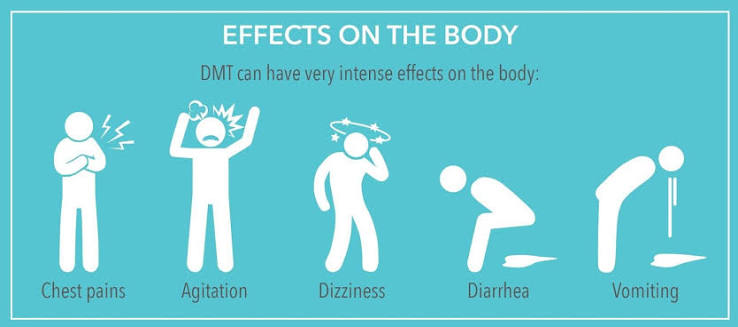
Alongside psychological changes, dmt effects and experience discussions often include physical reactions. These responses can vary depending on individual factors and circumstances.
Some commonly reported physical sensations include changes in body awareness, increased heart rate, unusual energy levels, and changes in sensory perception. Additionally, some people describe feelings of heaviness, lightness, or separation from normal bodily awareness.
From a scientific perspective, researchers study how psychedelic compounds interact with neurotransmitter systems. These interactions may influence perception, emotions, and physiological responses.
However, physical reactions should not be viewed separately from psychological factors. The brain and body operate together. Therefore, emotional state and physical sensations may influence each other during intense experiences.
To learn more, please explore dark web safety tips that discuss general online awareness practices and risk evaluation methods.
Short-duration psychedelic experiences are often discussed because of their rapid onset and concentrated effects. Nevertheless, a brief timeframe does not necessarily mean the experience is simple. Many reports describe a high level of mental intensity.
Moreover, researchers continue examining how individual biology influences responses. Genetic differences, brain chemistry, and personal health factors may all contribute to variations in psychedelic reactions.
It is also important to distinguish scientific research from online stories. Personal accounts can provide insight into subjective experiences. However, they cannot replace controlled studies and clinical research.
Research, Safety Considerations, and Responsible Information
Scientific discussions about dmt effects and experience increasingly focus on responsible research rather than sensational claims. As interest in psychedelic science grows, researchers continue evaluating both possible applications and potential concerns. To read further, please checkout educational research on psychoactive substance effects
Current studies examine psychedelic compounds through controlled environments and structured methods. These settings allow researchers to better understand psychological effects, neurological activity, and possible risks.
Safety discussions usually consider several important areas. Mental health history, emotional readiness, and environmental conditions may influence outcomes. Therefore, researchers often emphasize careful assessment when studying powerful altered states.
For a closer look, please check cybersecurity risks related to online information environments and digital safety awareness.
Another important issue involves misinformation. Online discussions about psychedelic substances can include exaggerated claims or incomplete explanations. Consequently, readers should evaluate sources carefully and prioritize evidence-based information.
Additionally, scientific research does not treat subjective experiences as proof of specific explanations. A person may describe a meaningful event, but researchers still investigate the underlying mechanisms through objective methods.
The growing interest in psychedelic research has also created discussions about neuroscience, mental health studies, and consciousness research. However, many questions remain open.
Researchers continue exploring topics such as perception changes, emotional processing, and long-term psychological outcomes. As new studies develop, understanding of psychedelic experiences may become more detailed.
Understanding Reports of DMT Experiences Online
Online communities contain many personal accounts describing unusual states of consciousness. These discussions can provide insight into how people interpret intense experiences. However, they should be approached with critical thinking.
The internet contains a mixture of personal stories, scientific articles, opinions, and speculation. Therefore, distinguishing between reliable research and anecdotal claims is important.
For more context, please explore dark web trends to understand how digital conversations around emerging subjects develop.
Many online descriptions use symbolic language. People may describe experiences using cultural, spiritual, or personal frameworks. These interpretations can differ greatly between individuals.
Furthermore, researchers recognize that language has limitations when describing unusual mental states. Everyday words may not fully capture complex changes in perception or awareness.
The scientific approach focuses on patterns across multiple studies rather than individual stories alone. By comparing findings, researchers can identify consistent effects while recognizing personal differences.
For additional details, please check dark web product scams to understand why online information requires careful evaluation.
Overall, discussions about psychedelic experiences benefit from balance. Personal reports can be valuable for understanding human perspectives. Meanwhile, scientific research provides methods for examining these experiences objectively.
This balanced approach helps readers understand both the fascination and complexity surrounding psychedelic studies.
Trusted External References: DMT Effects and Experience
European Monitoring Centre for Drugs and Drug Addiction (EUDA) — Drug Information and Research
For additional research perspectives, please review European drug monitoring resources and scientific reports.
National Library of Medicine (PubMed) — Peer-Reviewed Research Database
To find peer-reviewed studies, please explore the National Library of Medicine research database.
FAQ: DMT Effects and Experience
What are the main dmt effects and experience characteristics?
The reported dmt effects and experience characteristics can include changes in perception, emotions, thoughts, and awareness. Many people describe vivid sensory experiences, unusual mental imagery, and shifts in their understanding of time or surroundings. However, individual responses can differ because psychological state, expectations, and personal background may influence interpretation. Researchers continue studying these experiences to better understand how psychedelic compounds affect consciousness and perception.
How long does a typical DMT experience last?
A typical DMT experience is often described as shorter than many other psychedelic experiences, although the intensity may feel significant. The duration can vary depending on factors such as individual biology, the specific context, and the method of administration. Therefore, descriptions of a “short” experience should not imply that the psychological impact is simple or predictable. Scientific studies examine both the timing and the neurological processes involved in these temporary changes in awareness.
Why do people describe DMT experiences differently?
People describe psychedelic experiences differently because perception is influenced by many personal factors. Previous beliefs, emotional condition, environment, and individual brain chemistry may all contribute to how an experience is remembered and explained. Additionally, language limitations make it difficult to describe unusual states of consciousness accurately. As a result, two people may use very different words when discussing similar psychological effects.
What does scientific research say about DMT and consciousness?
Scientific research explores DMT as part of broader studies into brain function, perception, and consciousness. Researchers examine how psychedelic compounds interact with neural systems and how those interactions may influence thoughts and sensory processing. However, many questions remain unanswered because consciousness itself is a complex area of neuroscience. Current research focuses on evidence-based explanations rather than relying only on personal accounts.
Are online descriptions of psychedelic experiences always reliable?
Online descriptions can provide insight into personal perspectives, but they should not be considered complete scientific evidence. Many accounts are based on individual memories and interpretations rather than controlled research conditions. Therefore, readers should compare personal stories with information from scientific studies and reputable educational sources. Evaluating information carefully helps create a more accurate understanding of psychedelic topics.
Conclusion: DMT Effects and Experience
The study of dmt effects and experience involves more than descriptions of unusual sensations. It requires understanding the relationship between brain activity, perception, emotions, and personal interpretation. Throughout scientific research, experts continue examining how psychedelic compounds influence consciousness and why experiences vary between individuals.
Furthermore, balanced analysis helps separate research findings from speculation. Personal accounts can reveal how people interpret altered states, while controlled studies provide a stronger foundation for understanding biological processes.
The topic of dmt effects and experience remains an active area of scientific interest. As research develops, new findings may provide deeper insight into perception, cognition, and the complex nature of human awareness.
For readers exploring related topics, careful evaluation of information sources remains important. Reliable research, critical thinking, and responsible discussion provide the best approach for understanding complex scientific subjects.