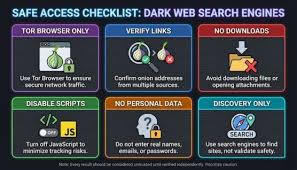
Dark Web Link Verification is one of the most overlooked skills in online research. Onion services frequently disappear, reappear under new addresses, or get cloned by malicious actors. As a result, verifying a link before interacting with it is essential.
Unlike the surface web, the dark web does not rely on centralized trust signals. There are no SSL indicators you can easily validate, no consistent domain ownership records, and no reliable backlink structure. Therefore, researchers, analysts, and privacy-conscious users must apply structured verification techniques before trusting any onion link.
This guide explains how onion link verification works, why it matters, and how to check onion addresses safely without increasing risk.
What Is Dark Web Link Verification?
At its core, Dark Web Link Verification refers to the process of confirming that an onion service is:
- Legitimate
- Active
- Not a phishing clone
- Not a malicious mirror
Because onion URLs are long and cryptographic in nature, even a small variation in characters can redirect users to a fraudulent site. Consequently, link validation must be deliberate.
For foundational understanding of how onion services appear in search results, see Dark Web Search Engines Explained
Understanding indexing helps clarify why verification cannot rely on search results alone.
Why Onion Links Are Frequently Faked
Onion links are often impersonated for three main reasons:
- Phishing attacks
- Marketplace cloning
- Credential harvesting
Malicious actors copy the design of legitimate services and publish slightly altered onion addresses. In many cases, users cannot visually detect the difference.
For a deeper breakdown of this tactic, review Fake Onion Links: How Researchers Get Tricked
This risk is precisely why structured verification matters.
Common Risks Associated With Dark Web Link Verification
Before discussing techniques, it helps to understand the risks.
Unverified links may lead to:
- Phishing portals
- Malware distribution pages
- Scam marketplaces
- Data harvesting forms
Additionally, some mirrors are abandoned but still indexed. As a result, outdated listings may create confusion.
For context on how indexing limitations contribute to this problem, see How Onion Search Engines Index Dark Web Sites
Core Principles of Dark Web Link Verification
Effective Dark Web Link Verification relies on layered checks rather than a single signal.
1. Source Confirmation
First, confirm where the link originated.
Trusted sources may include:
- Official project documentation
- Verified forums
- Established monitoring reports
Search engines alone should not be treated as authoritative.
2. Exact Address Matching
Second, compare the onion address carefully.
Modern onion services use 56-character v3 addresses. Even a single altered character can indicate a clone. Therefore, copy and paste directly from verified sources instead of typing manually.
3. Cross-Reference Across Indexes
Next, check whether the same onion address appears consistently across reputable search tools.
For example, you can compare findings using the framework explained in Ahmia Dark Web Search Guide
If an address appears only once and lacks history, caution is warranted.
4. Check Service Longevity
Legitimate onion services usually demonstrate persistence over time.
Indicators include:
- Consistent uptime patterns
- Forum mentions over months
- Archived references
In contrast, phishing mirrors often appear suddenly and disappear quickly.
5. Monitor for Announcement Channels
Many legitimate services publish official announcements via:
- Verified forums
- Signed messages
- Project documentation
Whenever possible, rely on primary announcements instead of third-party listings.
Role of Monitoring in Link Validation
Verification is not a one-time action. Instead, researchers often combine it with monitoring strategies.
For example, professionals use structured workflows outlined in Dark Web Monitoring Guide
Monitoring helps detect address rotations, shutdown notices, and migration events. As a result, link validation becomes an ongoing process rather than a single check.
Technical Signals That Help Validate Onion Links
Beyond manual confirmation, several technical indicators support safe verification.
Onion Version
Ensure the link uses a v3 onion address. Older v2 addresses are deprecated and often unsafe.
HTTPS Layer Inside Onion
Although Tor encrypts traffic, legitimate services often implement HTTPS internally as well. This does not guarantee authenticity, but it adds a signal.
Page Consistency
Compare:
- Layout
- Wording
- Navigation structure
Phishing clones frequently contain subtle design inconsistencies.
What Search Engines Can and Cannot Confirm
Search tools assist discovery but do not guarantee authenticity.
Even reputable platforms index:
- Temporary mirrors
- Newly submitted addresses
- Snapshot-based listings
For a broader overview of discovery tools, revisit Dark Web Search Engines Explained
Therefore, treat search results as starting points, not proof of legitimacy.
Authority Perspectives on Dark Web Safety
The Tor Project provides official documentation explaining how onion services function and why address integrity matters
Similarly, the EFF emphasizes safe browsing practices within privacy-focused networks
From a threat-monitoring standpoint, Europol outlines risks associated with dark web misuse
These perspectives reinforce why link verification is essential.
Practical Workflow for Dark Web Link Verification
Below is a simplified verification workflow:
- Identify the source of the link
- Confirm exact 56-character match
- Cross-reference across reputable indexes
- Review forum mentions or archived references
- Monitor for official confirmations
This layered approach significantly reduces exposure to phishing and impersonation risks.
FAQs: Dark Web Link Verification
Can search engines confirm a legitimate onion link?
No. They can only show indexed entries, not guarantee authenticity.
Are all mirrors dangerous?
Not necessarily. However, unofficial mirrors should be treated cautiously.
Is manual verification still necessary?
Yes. Automated signals cannot replace human cross-checking.
Conclusion: Dark Web Link Verification
Dark Web Link Verification is not optional for serious research. Onion services change frequently, and impersonation tactics remain common. Therefore, structured verification protects both privacy and data integrity.
By combining source confirmation, address comparison, cross-index checks, and ongoing monitoring, researchers can reduce risk significantly. Ultimately, understanding verification principles matters more than relying on any single listing or search result.