Understanding how Haystak vs Ahmia search works inside the Tor network requires nuance. Unlike surface web engines, onion search tools operate under technical limits, ethical constraints, and selective indexing models.
In this guide, we examine Haystak vs Ahmia from a research-focused perspective. Rather than ranking them as “better” or “worse,” we analyze how each platform approaches onion discovery, filtering, transparency, and indexing behavior.
If you research darknet infrastructure, OSINT methodology, or Tor-based content discovery, this comparison will clarify what each engine actually does—and what it does not.
Why Haystak vs Ahmia Search Engines Work Differently
Before comparing specific platforms, context matters.
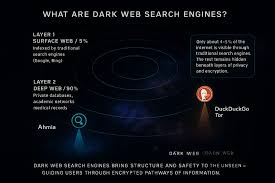
Search engines on the Tor network cannot crawl like Google. Onion services frequently rotate URLs, block crawlers, or disappear entirely. Consequently, indexing remains partial and snapshot-based.
Moreover, ethical considerations influence design decisions. For example, many engines restrict harmful content exposure or filter specific categories entirely.
For broader background, see this overview of how Dark Web Search Engines function
What Is Ahmia?
Ahmia is a Tor search engine that emphasizes transparency and filtering. It publishes details about its indexing approach and actively excludes certain types of content.
Key characteristics:
- Selective onion indexing
- Abuse reporting mechanisms
- Clear filtering policies
- Research-oriented structure
- Limited but curated results
Unlike engines that aim for volume, Ahmia prioritizes stability and responsible indexing.
You can explore its structure further here on ahmia dark web search
What Is Haystak?
Haystak positions itself differently. Instead of prioritizing strict filtering, it focuses on keyword-based indexing and historical tracking.
Core traits include:
- Large keyword dataset
- Snapshot-style indexing
- Emphasis on term persistence
- Research and monitoring use cases
- Tiered access structure
Haystak often supports pattern analysis rather than general browsing. For deeper context see article on haystak dark web search engine
Haystak vs Ahmia: Indexing Philosophy
The most significant difference in Haystak vs Ahmia lies in indexing philosophy.
Ahmia applies structured filtering. It attempts to reduce exposure to harmful or deceptive services. Therefore, its results often feel cleaner but narrower.
Haystak, in contrast, emphasizes keyword visibility across time. Instead of curating heavily, it preserves broader term data for analytical purposes.
In practical terms:
| Feature | Ahmia | Haystak |
|---|---|---|
| Index Type | Filtered, selective | Broad, keyword-focused |
| Transparency | Public filtering policies | Limited public documentation |
| Research Use | Clean discovery | Trend & keyword tracking |
| Content Moderation | Active filtering | Less restrictive |
| Snapshot Depth | Moderate | Extensive keyword archive |
Thus, the choice depends on research goals rather than popularity.
Haystak vs Ahmia: Crawling & Snapshot Methodology
Both engines operate under Tor network limitations. However, they implement crawling differently.
Ahmia:
- Applies controlled crawling
- Honors service exclusions
- Removes flagged content
- Updates index conservatively
Haystak:
- Stores indexed keywords
- Tracks recurring phrases
- Focuses on text persistence
- Retains broader archives
Because onion services frequently vanish, snapshot models dominate the ecosystem. Neither engine provides real-time indexing.
For a deeper understanding of onion service infrastructure, the Tor Project’s onion services documentation explains why full indexing remains unrealistic
Filtering and Ethical Constraints
Filtering defines the tone of search results.
Ahmia clearly documents its removal policies. As a result, its index excludes certain categories of content. This approach aligns more closely with privacy-rights principles discussed by the Electronic Frontier Foundation (EFF):
Haystak, meanwhile, maintains broader keyword exposure. Although it does not necessarily promote harmful content, its indexing model does not emphasize visible filtering layers.
Therefore, researchers seeking cleaner exploratory browsing may lean toward Ahmia. Conversely, analysts tracking recurring darknet themes may prefer Haystak.
Haystak vs Ahmia for OSINT and Research
When comparing Haystak vs Ahmia for open-source intelligence (OSINT), the distinction becomes practical.
Ahmia supports:
- Initial discovery
- Surface-level onion mapping
- Safer browsing environment
- Entry-level research
Haystak supports:
- Historical keyword comparison
- Trend tracking
- Recurring phrase monitoring
- Longitudinal analysis
Additionally, researchers monitoring darknet market shifts often combine search engines. For example, comparing keyword persistence with broader ecosystem changes seen in darkweb market evolution
This multi-engine method reduces blind spots.
Coverage vs Precision
Search coverage on Tor always remains incomplete. However, precision varies.
Ahmia’s filtering increases precision but reduces breadth. Meanwhile, Haystak expands breadth but may introduce noise.
This trade-off reflects broader darknet visibility challenges described in Europol’s overview of dark web threats
Consequently, no single engine provides a comprehensive map.
Performance & Accessibility
From a usability standpoint:
Ahmia:
- Simple interface
- Accessible via clearnet gateway
- Faster response times
- Lower barrier to entry
Haystak:
- Advanced search options
- Keyword archive depth
- Research-tier access levels
- Greater analytical flexibility
However, both depend on Tor network stability. Slow load times remain common.
Strengths and Weaknesses
Ahmia Strengths
- Transparent filtering
- Ethical indexing model
- Beginner-friendly
- Reduced malicious noise
Ahmia Weaknesses
- Limited coverage
- Fewer archived results
Haystak Strengths
- Large keyword index
- Trend analysis potential
- Broader visibility
Haystak Weaknesses
- Less documented filtering
- Potentially noisy results
Ultimately, the “better” engine depends on intent.
FAQ: Haystak vs Ahmia
Which engine indexes more onion services?
Haystak typically shows broader keyword coverage, but neither engine provides full indexing.
Is Ahmia safer to use?
Ahmia applies filtering, which may reduce exposure to malicious or deceptive content.
Can either engine index the entire dark web?
No. Technical, ethical, and structural constraints prevent comprehensive crawling.
Should researchers rely on one engine only?
No. Cross-referencing improves reliability.
Conclusion on Haystak vs Ahmia
When evaluating Haystak vs Ahmia, the real difference lies in design philosophy.
Ahmia prioritizes structured filtering and responsible discovery. Haystak emphasizes keyword persistence and analytical depth. Neither attempts full visibility because full indexing remains structurally impossible.
Therefore, informed researchers use both strategically. Understanding how each engine handles onion indexing ensures more accurate, ethical, and methodologically sound analysis.