Darknet market escrow is the mechanism that makes anonymous marketplace transactions possible. Without it, buyers and vendors would have little reason to trust each other in an environment built on pseudonymity.
Unlike traditional e-commerce platforms, darknet markets operate without legal enforcement. Therefore, escrow systems act as a trust substitute. They temporarily hold cryptocurrency funds until both parties fulfill agreed conditions.
Understanding how escrow works is essential for researchers, cybersecurity analysts, and anyone studying the structure of darknet marketplaces. For a deeper dive, explore our article on darknet market reputation system
What Is a Darknet Market Escrow System?
A darknet escrow system is a transaction framework that holds payment in a controlled wallet until delivery is confirmed.
Instead of paying vendors directly, buyers send cryptocurrency to a marketplace-controlled address. The market then releases the funds only after confirmation.
Typically, escrow includes:
- Temporary cryptocurrency holding
- Order confirmation mechanisms
- Dispute resolution processes
- Time-based release systems
- Admin intervention options
Because anonymity defines these platforms, escrow replaces legal enforcement with controlled financial leverage.
Why Escrow Became Central to Darknet Markets
Early darknet markets struggled with fraud. Vendors could disappear after receiving payment. Buyers could falsely claim non-delivery. As a result, trust deteriorated quickly.
Over time, structured escrow models became standard. Today, they form the backbone of most marketplaces.
For broader context on marketplace structure, see How Darknet Vendors Work and darknet market lifecycle stages
That article explains vendor onboarding and reputation building, which operate alongside escrow mechanics.
Types of Darknet Market Escrow Models
Not all escrow systems function identically. In fact, several models evolved over time.
1. Centralized Escrow
This is the most common format.
The marketplace controls a single wallet. Funds remain there until:
- Buyer marks the order complete
- Auto-finalization timer expires
- Admin resolves a dispute
Although simple, this model introduces counterparty risk. If admins disappear, funds vanish.
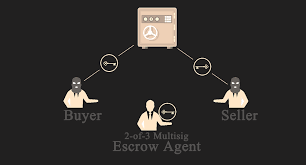
2. Multisignature Escrow
Multisig escrow uses shared cryptographic keys.
Typically:
- Buyer holds one key
- Vendor holds one key
- Marketplace holds one key
Two of the three keys are required to release funds.
This reduces admin control. However, multisig implementations are technically complex and less common.
The Tor Project explanation of onion services provides insight into the infrastructure enabling these cryptographic models
3. Auto-Finalization Escrow
Auto-finalization automatically releases funds after a set period.
While convenient, this model increases buyer risk. If shipping delays occur, disputes become harder.
Because of this, experienced buyers often avoid vendors who push early finalization.
Dispute Resolution in Escrow Systems
Escrow only works when disputes can be resolved fairly.
Most markets include:
- Ticket-based dispute panels
- Message logs for evidence
- Admin arbitration
- Partial refund mechanisms
However, outcomes vary significantly between platforms.
For market evolution patterns, review Darkweb Market Evolution Explained
That analysis highlights how escrow reliability influences long-term marketplace survival.
Exit Scams and Escrow Abuse
While escrow builds trust, it can also collapse suddenly.
An exit scam occurs when administrators shut down the marketplace and seize escrowed funds.
Historically, exit scams follow patterns:
- Sudden withdrawal delays
- Increased technical “maintenance”
- Escrow release freezes
- Admin silence
Law enforcement agencies such as Europol’s overview of dark web threats document these recurring fraud structures
Because funds remain in centralized wallets, escrow systems can become single points of failure.
Cryptocurrency and Escrow Security
Most markets rely on:
- Bitcoin
- Monero
- Occasionally Litecoin
However, privacy coins such as Monero increasingly dominate due to improved transaction obfuscation.
The EFF guide to online privacy tools explains how privacy-enhancing technologies shape anonymous commerce
Cryptocurrency choice directly impacts escrow traceability and enforcement risk.
How Escrow Influences Vendor Reputation
Escrow systems connect closely to reputation models.
For example:
- Vendors with strong ratings experience fewer disputes
- High dispute ratios damage vendor profiles
- Escrow delays affect perceived reliability
If you’re analyzing marketplace dynamics, also review Active Darkweb Markets Overview
Escrow stability often predicts which markets remain active long term.
Escrow Security Risks for Researchers
Researchers studying darknet markets must avoid interacting financially.
Key risks include:
- Phishing mirror sites
- Fake escrow wallets
- Malicious JavaScript injection
- Impersonation pages
For safe navigation techniques, read Dark Web Link Verification Guide
Verifying URLs reduces exposure to fraudulent escrow traps.
How Escrow Systems Affect Market Longevity
Escrow trust directly impacts market lifecycle.
Markets typically evolve in phases:
- Launch with promotional incentives
- Rapid vendor onboarding
- Stable escrow period
- Increasing dispute volume
- Either institutional stability or exit scam
For structural background, consult Dark Web Search Engines Explained
Search engines often capture early signals of escrow instability through forum chatter and complaint trends.
Common Misconceptions About Escrow
Escrow guarantees safety
Not entirely. It reduces risk but does not eliminate fraud.
Multisig is always safer
Technically stronger, but poor implementation can undermine security.
Markets hold funds securely at all times
Centralized escrow remains vulnerable to seizure or insider theft.
FAQs: Darknet Market Escrow
Is darknet market escrow legally regulated?
No. It operates entirely outside traditional legal enforcement.
Why don’t all markets use multisig?
Implementation complexity and user friction limit adoption.
Can escrow funds be recovered after an exit scam?
Typically, no. Once administrators disappear, funds are unrecoverable.
Do vendors control escrow?
In centralized systems, administrators control escrow. Vendors cannot access funds directly until release.
Conclusion
Darknet market escrow forms the structural core of anonymous online marketplaces. While it creates a controlled trust mechanism, it also introduces centralization risk.
Over time, escrow systems evolved from simple wallet holding models to more complex multisignature frameworks. Nevertheless, vulnerabilities remain. Exit scams, administrative abuse, and cryptocurrency volatility continue to shape outcomes.
For researchers and analysts, understanding darknet market escrow clarifies how trust, fraud, and infrastructure intersect in hidden economies.