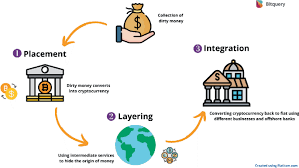
A Dark Web Money Transfer is often misunderstood. Many assume it refers only to illegal activity, yet the reality is more complex. While criminal transactions do occur in hidden networks, encrypted payment systems also exist for privacy-focused communication, whistleblowing, and financial anonymity.
However, transferring value in anonymous ecosystems carries serious risks. Fraud, scams, tracing vulnerabilities, and law enforcement monitoring all complicate the picture. Therefore, understanding how dark web payments function — and where the risks lie — is essential for researchers, analysts, and cybersecurity professionals.
This guide explains how dark web transactions work, why they happen, and what realities often get ignored.
What Is a Dark Web Money Transfer?
A dark web money transfer refers to the exchange of funds using privacy-focused networks such as Tor. Typically, transactions rely on cryptocurrency rather than traditional banking rails.
Unlike surface-web payments, these transfers operate in environments designed for anonymity. As a result, users depend on:
- Cryptocurrency wallets
- Escrow systems
- Peer-to-peer agreements
- Temporary vendor accounts
However, anonymity does not equal invisibility. Blockchain analysis and operational mistakes frequently expose participants.
For a foundational understanding of how hidden networks function, see:
Dark Web Search Engines Explained
Why Do People Use Anonymous Payment Systems?
Motivations vary. Importantly, not every use case is criminal.
Some common reasons include:
- Privacy preservation in restrictive regimes
- Protection for journalists or activists
- Avoiding financial censorship
- Illicit commerce and fraud
Nevertheless, the environment remains high-risk. According to threat reporting from Europol
financial tracing capabilities continue to improve.
Therefore, the perception of total anonymity is often inaccurate.
How Dark Web Money Transfer Mechanisms Work
Most dark web ecosystems rely on cryptocurrency payments. Bitcoin historically dominated these transactions. Over time, however, privacy-focused coins gained popularity due to improved obfuscation techniques.
Common transaction models include:
1. Direct Wallet-to-Wallet Transfers
This method involves sending cryptocurrency directly to another address. While simple, it leaves a public ledger trail.
2. Escrow-Based Market Payments
Many marketplaces use escrow systems. Funds are held until both parties confirm completion. This model attempts to reduce fraud.
If you want context on how marketplaces evolved structurally, see:
Darkweb Market Evolution Explained
3. Multi-Signature Transactions
Multi-sig wallets require multiple approvals before funds release. This approach adds a layer of security but also increases complexity.
However, regardless of method, blockchain forensics remains a constant factor.
Risks of Dark Web Money Transfer
Although anonymity tools exist, significant risks remain. Understanding these risks is crucial for research and awareness.
Fraud and Exit Scams
Markets frequently shut down unexpectedly, taking user funds with them. Historically, exit scams have resulted in millions in losses.
A broader discussion on currently operating platforms is available here:
Active Darkweb Markets Overview
Blockchain Traceability
Despite privacy narratives, Bitcoin transactions remain traceable. Investigations reported by BleepingComputer
frequently demonstrate how funds can be tracked.
Law Enforcement Monitoring
Authorities use blockchain analytics, undercover operations, and intelligence gathering. Consequently, operational security failures often lead to identification.
Malware and Wallet Compromise
Users downloading wallet software from unverified sources risk malware infections. Therefore, technical caution remains essential.
The Role of Privacy Coins
As blockchain analysis matured, privacy coins emerged as alternatives. These currencies aim to obscure transaction paths and balances.
However:
- Exchange delistings increased regulatory pressure
- Privacy enhancements attracted scrutiny
- Usage declined in some mainstream markets
In other words, stronger privacy features often lead to stronger oversight.
Regulatory and Ethical Realities about Darknet money Transfer
Financial surveillance continues to expand globally. Governments increasingly regulate crypto exchanges through KYC (Know Your Customer) frameworks.
Additionally, organizations such as the Electronic Frontier Foundation (EFF)
highlight the importance of balancing privacy rights with accountability.
Therefore, discussions about dark web money transfer systems must consider both civil liberties and criminal misuse.
Common Misconceptions about Dark Web Money Transfer
“Crypto Is Completely Anonymous”
In reality, most cryptocurrencies are pseudonymous. Wallet addresses can often be linked to identities through behavioral patterns.
“Escrow Guarantees Safety”
Escrow reduces risk, yet it does not eliminate fraud. Market administrators control the release mechanism.
“Hidden Networks Prevent Tracking”
Tor obscures IP addresses. However, operational errors frequently expose users.
For clarity on how anonymity networks function, review:
Dark Web vs Deep Web Comparison
How Researchers Analyze Dark Web Transactions
Investigative professionals rely on:
- Blockchain analytics platforms
- Transaction clustering
- Metadata analysis
- Temporal tracking
Rather than assuming invisibility, researchers evaluate behavioral indicators.
This method mirrors how onion indexing systems document hidden services, as explored in:
How Ahmia Indexes Onion Service/
Understanding indexing and financial flows together offers a broader analytical picture.
FAQs
Is every dark web payment illegal?
No. Context matters. However, many high-profile cases involve illegal marketplaces.
Can law enforcement trace cryptocurrency?
Often, yes. Public ledgers allow analysis even when users believe they are anonymous.
Are privacy coins safer?
They reduce traceability but increase regulatory attention.
Why do markets collapse?
Exit scams, arrests, internal disputes, or infrastructure failures commonly trigger shutdowns.
Conclusion on Dark Web Money Transfer
A Dark Web Money Transfer is rarely as anonymous as many believe. While hidden networks and cryptocurrencies create layers of privacy, they also introduce significant vulnerabilities. Fraud, traceability, regulatory oversight, and operational mistakes all shape the real landscape.
Ultimately, dark web financial systems reflect a tension between privacy and accountability. Understanding that balance is essential for researchers, analysts, and anyone studying digital ecosystems responsibly.