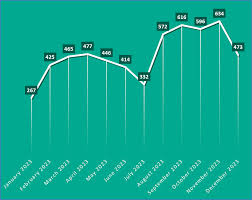
Darkweb market trends reveal more than marketplace headlines or takedown stories. They reflect structural shifts in how vendor shops operate, build reputation, manage risk, and adapt to constant disruption.
Over the past decade, darknet markets have moved from centralized hubs to fragmented ecosystems. Consequently, vendor behavior has evolved as well. Escrow models changed. Trust mechanisms matured. Operational security tightened.
This guide explores how vendor shops function today, why their structure continues to change, and what these developments mean for researchers and analysts.
Understanding Modern Darknet Market Structure
Before examining vendor shifts, it helps to understand how markets operate.
Darknet marketplaces function as intermediary platforms. They connect buyers and vendors through encrypted networks, most commonly via Tor onion services. However, unlike surface-web platforms, stability is never guaranteed.
Most markets rely on:
- Escrow payment systems
- Vendor reputation scores
- Multisignature transactions
- Internal dispute resolution
- Temporary mirror domains
Because shutdowns occur frequently, vendors must plan for disruption. This instability drives many of the current market trends.
For a broader explanation of market evolution, see Darkweb Market Evolution Explained
Darkweb Market Trends in Vendor Decentralization
One of the clearest darkweb market trends involves decentralization.
In earlier years, vendors depended heavily on centralized marketplaces. However, after repeated law enforcement takedowns documented by Europol, many vendors reduced platform dependency.
Today, vendors often:
- Operate across multiple markets simultaneously
- Maintain encrypted contact channels
- Develop independent brand identities
- Use invite-only forums
As a result, vendor resilience increased. However, fragmentation also made ecosystem mapping more difficult for researchers.
The Rise of Standalone Vendor Shops
Another notable development is the growth of standalone vendor shops.
Instead of relying exclusively on large marketplaces, some vendors now host independent onion storefronts. These shops often mirror marketplace listings but remove platform fees.
Key characteristics include:
- Direct payment systems
- Reduced commission costs
- Greater branding control
- Higher operational risk
However, trust becomes harder to establish without marketplace escrow.
If you are studying how markets remain active despite closures, see Active Darkweb Markets Overview
Reputation Systems Are Becoming More Sophisticated
Trust remains central to vendor survival.
Reputation models now include:
- Verified buyer reviews
- Transaction history depth
- Longevity indicators
- Forum credibility
Consequently, vendors treat reputation like digital capital. Losing it can mean losing long-term income.
Additionally, markets increasingly flag suspicious behavior, including sudden product changes or pricing anomalies.
For context on vendor operational structure, read How Darknet Vendors Work: What New Users Should Know
Escrow and Payment Model Shifts
Payment systems have evolved alongside vendor behavior.
Initially, simple escrow dominated. Over time, multisignature wallets emerged to reduce exit scam risks.
Modern payment shifts include:
- Cryptocurrency diversification
- Temporary deposit windows
- Escrow release timing adjustments
- Increased focus on transaction privacy
Moreover, markets adapt quickly when law enforcement targets specific transaction patterns.
The Tor Project provides insight into onion service architecture, which explains why marketplaces rely on layered anonymity systems.
Operational Security (OPSEC) Is Now Central
Vendor shops now prioritize operational security more aggressively than before.
Common OPSEC adaptations include:
- Rotating PGP keys
- Limiting direct communication
- Avoiding centralized identity reuse
- Migrating between markets
Furthermore, many vendors avoid long-term dependency on any single domain.
Security failures often lead to exposure, impersonation, or phishing. If you’re researching risks related to fake mirrors and impersonation, review Fake Onion Links: How Researchers Get Tricked
Darkweb Market Trends in Product Diversification
Markets no longer focus narrowly on specific product categories.
Instead, diversification expanded into:
- Digital goods
- Account access sales
- Fraud-related services
- Data leak listings
Although some categories fluctuate, vendor adaptability remains consistent.
Reports covered by BleepingComputer frequently show how takedowns shift activity rather than eliminate it.
This reflects a broader pattern: ecosystem behavior adjusts instead of disappearing.
Vendor Migration Patterns After Takedowns
When a market shuts down, vendors rarely vanish.
Instead, they:
- Announce migration plans on forums
- Move to secondary marketplaces
- Open temporary standalone shops
- Rebuild reputation under verified profiles
Because of this cycle, researchers track vendor handles rather than marketplace names.
You can examine search visibility shifts in Dark Web Search Engines Explained
Search Engines and Market Visibility
Market visibility remains limited by design.
Search engines index only fragments of onion services. Consequently, discovery relies on directories, forum references, and manual submissions.
The Electronic Frontier Foundation provides context on anonymous browsing practices and privacy infrastructure.
Therefore, analysts combine multiple tools rather than relying on a single search platform.
Risks and Realities Behind the Trends
Although darkweb market trends show innovation, risks remain high.
Common risks include:
- Exit scams
- Phishing clones
- Law enforcement infiltration
- Marketplace instability
- Vendor impersonation
Moreover, fragmentation increases complexity.
Researchers must verify information carefully and cross-reference sources.
FAQs: Darkweb Vendor and Market Evolution
Are darknet markets still active?
Yes. However, activity shifts frequently due to closures and migration patterns.
Why do vendors create independent shops?
Independent shops reduce fees and increase control, but they require stronger trust-building.
Do markets guarantee safety?
No. Even with escrow, scams and operational risks persist.
Why do markets shut down?
Shutdowns occur due to law enforcement action, internal scams, or administrative exits.
Conclusion: Darkweb Market Trends
Modern darkweb market trends show a shift toward decentralization, independent vendor shops, and reputation-driven ecosystems. Rather than expanding in scale, markets have become more adaptive and fragmented.
Vendor behavior now prioritizes resilience, operational security, and diversification. Consequently, understanding structural evolution matters more than tracking any single marketplace.
For researchers and analysts, observing how vendor shops evolve provides clearer insight into how darknet ecosystems respond to disruption over time.